
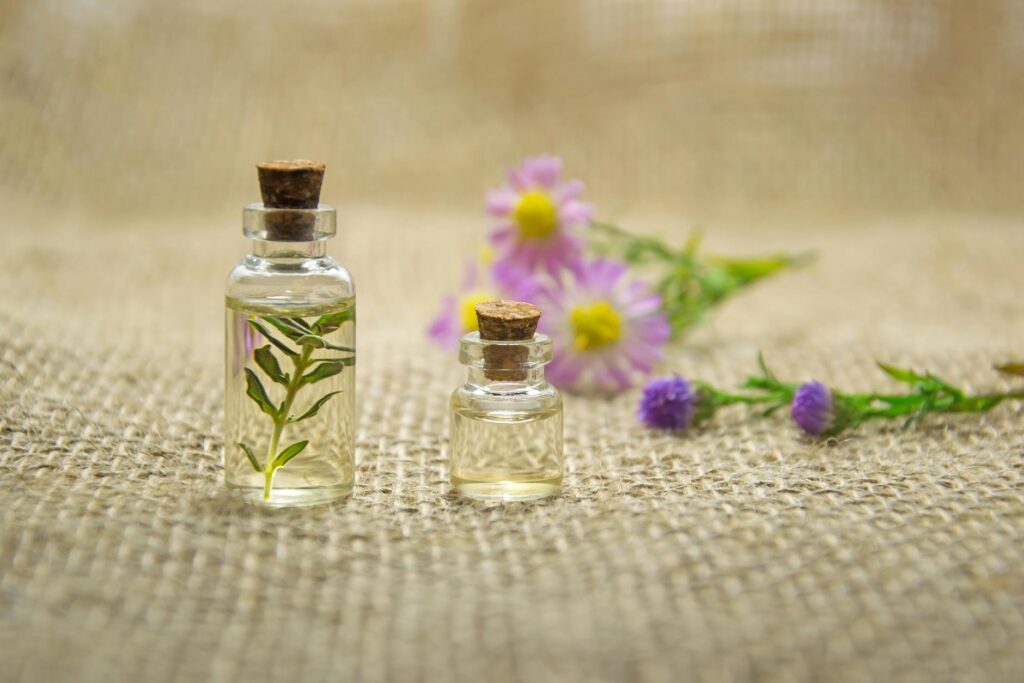
Properties and Uses of Basil Oil
Introduction
Basil oil, derived from the leaves of the basil plant (Ocimum basilicum), has been cherished for centuries not only for its culinary applications but also for its profound role in aromatherapy and holistic practices. Known for its distinctive aroma and versatile properties, basil oil is a staple in many households and wellness routines around the globe. This article explores the characteristics, benefits, and various applications of basil oil, providing a comprehensive overview for those looking to deepen their understanding of this remarkable essential oil.
What Is Basil Oil?
Basil oil is an essential oil extracted from the leaves and flowers of the basil plant, primarily through steam distillation. The basil plant, a member of the mint family, is native to tropical regions of Asia and Africa but is now cultivated worldwide. There are several varieties of basil, including sweet basil and holy basil (Ocimum sanctum), each possessing unique aromatic and therapeutic properties.
The oil has a fresh, herbaceous scent that is both uplifting and soothing. Its chemical composition includes compounds such as linalool, eugenol, and methyl chavicol, which contribute to its distinctive aroma and potential therapeutic benefits.
Key Benefits and Properties
Basil oil is widely recognized for its diverse range of properties, making it a valuable addition to both personal care and wellness practices. Below are some of the key benefits and properties of basil oil:
Antioxidant Properties
Basil oil is rich in antioxidants, which help combat oxidative stress in the body. Antioxidants play a crucial role in neutralizing free radicals, thus potentially reducing the risk of chronic diseases.
Antimicrobial Effects
Research has indicated that basil oil possesses antimicrobial properties, which may help inhibit the growth of certain bacteria and fungi. This quality makes it a popular choice for natural cleaning solutions and personal care products.
Anti-Inflammatory Benefits
The oil’s anti-inflammatory properties may support the reduction of inflammation within the body, contributing to overall wellness. This can be particularly beneficial for those who experience discomfort related to inflammation.
Mood Enhancement
The aromatic profile of basil oil is known to be uplifting and invigorating. Inhalation of its scent may help alleviate feelings of stress and anxiety, promoting a sense of calm and emotional well-being.
Respiratory Support
Basil oil’s refreshing aroma may help clear the airways and promote easier breathing. This property makes it a common choice in aromatherapy for respiratory support.
Common Uses
Basil oil has a multitude of applications across various domains, including culinary, therapeutic, and household uses. Here are some common applications:
Culinary Uses
In the kitchen, basil oil can be used to enhance the flavor of dishes, dressings, and marinades. Its concentrated flavor profile means that only a few drops are needed to impart a robust basil taste, making it a popular choice among chefs and home cooks alike.
Personal Care Products
Basil oil is often incorporated into skincare formulations due to its antimicrobial and anti-inflammatory properties. It can be found in lotions, creams, and soaps, providing a refreshing and soothing effect on the skin.
Household Cleaning
Thanks to its antimicrobial properties, basil oil is an effective ingredient in natural cleaning products. It can be used to create homemade cleaning solutions that not only purify surfaces but also leave a pleasant fragrance.
Insect Repellent
The fresh scent of basil oil is known to repel certain insects, making it a natural alternative for those seeking to avoid chemical repellents. It can be diluted and applied to the skin or used in diffusers to keep bugs at bay.
Aromatherapy Applications
In the realm of aromatherapy, basil oil is valued for its uplifting and clarifying properties. Here are some popular ways to use basil oil in aromatherapy:
Diffusion
Adding a few drops of basil oil to a diffuser can create an invigorating atmosphere, promoting mental clarity and focus. It is especially beneficial in workspaces or study areas.
Massage
When diluted with a carrier oil, basil oil can be used for massage, providing relaxation and relief from muscle tension. The soothing aroma can enhance the overall experience, promoting emotional and physical well-being.
Inhalation
Inhalation of basil oil can be done directly from the bottle or by adding a few drops to a bowl of hot water. The steam can help clear the respiratory passages and elevate mood.
Bathing
Adding basil oil to a warm bath can create a calming and aromatic experience, helping to relieve tension and promote relaxation. It is advisable to dilute the oil with a carrier oil before adding it to the bathwater.
Safety Considerations
While basil oil is generally regarded as safe for use, there are some important safety considerations to keep in mind:
Skin Sensitivity
As with any essential oil, basil oil should be diluted with a carrier oil before applying it to the skin to prevent irritation. A patch test is recommended for those with sensitive skin.
Pregnancy and Nursing
Pregnant and nursing women should consult a healthcare professional before using basil oil, as certain essential oils may not be suitable during these periods.
Allergies
Individuals with allergies to plants in the Lamiaceae family (such as mint, lavender, and sage) should exercise caution when using basil oil.
Not for Ingestion
Basil oil should not be ingested unless under the guidance of a qualified healthcare provider. Its concentrated nature can lead to adverse effects if consumed improperly.
Storage and Shelf Life
Proper storage is essential to maintain the quality of basil oil. Here are some tips for storage:
Storage Conditions
Basil oil should be stored in a cool, dark place away from direct sunlight. It is best kept in a tightly sealed, dark glass bottle to protect it from light and air exposure.
Shelf Life
When stored correctly, basil oil can maintain its potency for approximately 3 to 5 years. However, it is advisable to check for any changes in aroma or consistency before use, as these may indicate degradation.
Frequently Asked Questions
How is basil oil extracted?
Basil oil is primarily extracted through steam distillation, a process that involves passing steam through the plant material to separate the essential oil from the plant.
Can basil oil be used in cooking?
Yes, basil oil can be used in cooking to enhance flavors, but it should be used sparingly due to its concentrated nature.
Is basil oil safe for children?
Basil oil may not be suitable for young children due to its potency. It is advisable to consult a healthcare professional before use.
What are the best carrier oils for diluting basil oil?
Common carrier oils for diluting basil oil include coconut oil, jojoba oil, and sweet almond oil. These oils can help safely apply basil oil to the skin.
Can I use basil oil for aromatherapy during pregnancy?
Pregnant women should consult a healthcare provider before using basil oil or any essential oil, as some may not be advisable during pregnancy.
Conclusion
Basil oil is a multifaceted essential oil that offers a range of benefits and applications. From culinary enhancements to personal care and aromatherapy, its properties make it a valuable addition to various practices. By understanding its characteristics, benefits, and safety considerations, individuals can incorporate basil oil into their daily routines in a thoughtful and beneficial manner.