
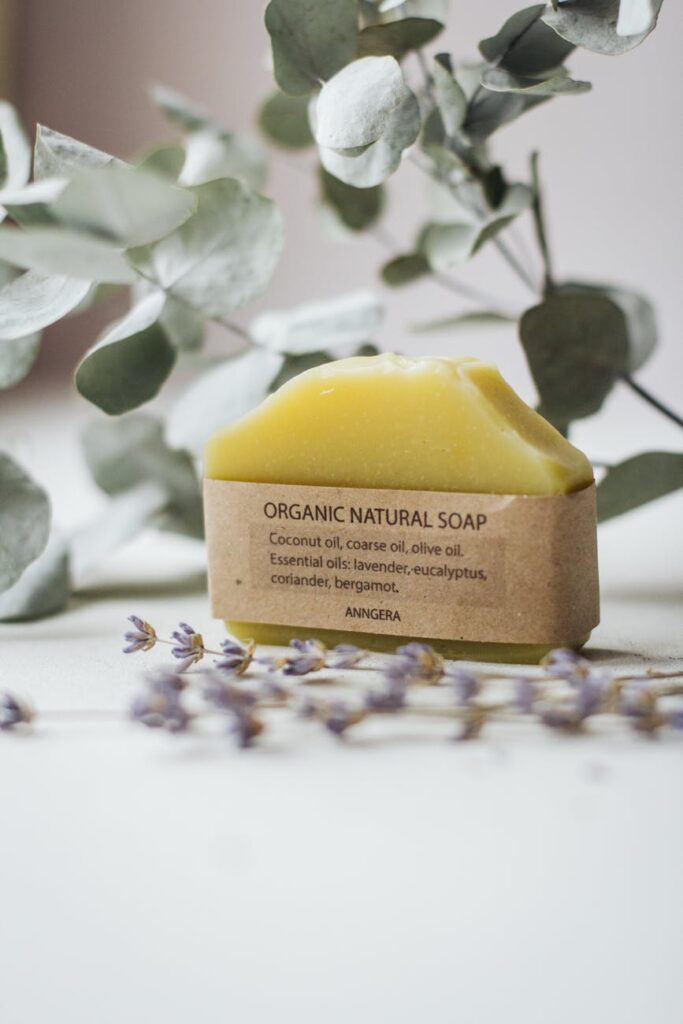
Properties and Uses of Bergamot Oil
Introduction
Bergamot oil, derived from the peel of the bergamot orange (Citrus bergamia), has garnered attention in both aromatherapy and natural wellness circles. Known for its refreshing, citrusy aroma, this essential oil is lauded not only for its fragrance but also for its myriad of potential benefits. This article delves into the properties, uses, and applications of bergamot oil, offering a comprehensive overview for those interested in exploring this fascinating essential oil.
What Is Bergamot Oil?
Bergamot oil is extracted from the fruit of the bergamot orange, a small citrus fruit primarily cultivated in the Calabria region of Italy. The oil is obtained through cold-pressing the peel, which preserves the delicate aromatic compounds intrinsic to the fruit. Recognizable by its bright yellow-green color, bergamot oil is a key ingredient in many perfumes and is also famed for its role in flavoring Earl Grey tea.
The oil contains a unique blend of chemical constituents, including monoterpenes, sesquiterpenes, and various esters, which contribute to its distinct fragrance and potential benefits.
Key Benefits and Properties
Bergamot oil boasts a range of properties that make it popular in both aromatherapy and personal care products. Some of the key benefits include:
1. Mood Enhancer: Bergamot oil is often regarded as a natural mood booster. Its uplifting aroma is believed to help alleviate feelings of anxiety and stress, promoting emotional balance.
2. Antimicrobial Properties: Preliminary studies suggest that bergamot oil may possess antimicrobial properties, making it a potential candidate for use in personal care formulations and cleaning products.
3. Anti-inflammatory Effects: Some components of bergamot oil are thought to exhibit anti-inflammatory properties, although more research is needed to fully understand their efficacy.
4. Skin Care Benefits: Bergamot oil is commonly used in skin care for its potential to improve skin health. It is believed to help with oily skin and acne, though it should be used with caution due to its photosensitivity.
5. Digestive Aid: Traditionally, bergamot has been used to support digestive health, although scientific validation of this use is limited.
6. Relaxation and Sleep Support: The calming properties of bergamot oil may contribute to improved sleep quality, making it a popular choice for bedtime rituals.
Common Uses
Bergamot oil has a diverse range of applications, including:
- Aromatherapy: Used in diffusers, bergamot oil can create a soothing atmosphere conducive to relaxation and mental clarity.
- Skincare Products: Found in creams, lotions, and serums, bergamot oil is incorporated for its aromatic and potential skin-enhancing properties.
- Perfumes and Fragrances: Its captivating scent makes bergamot a staple in the fragrance industry, adding a bright and fresh note to many perfumes.
- Culinary Uses: Beyond its aromatic applications, bergamot oil is sometimes used as a flavoring agent in culinary dishes and beverages.
- Household Cleaners: Due to its potential antimicrobial properties, bergamot oil is often included in natural cleaning products.
- Diffusion: Using a diffuser, bergamot oil can be blended with other essential oils such as lavender or eucalyptus to create an uplifting and calming environment.
- Topical Application: When diluted with a carrier oil, bergamot oil can be applied to pulse points for a calming effect. Common carrier oils include jojoba, sweet almond, or coconut oil.
- Bath Additive: Adding a few drops of bergamot oil to bath water can enhance relaxation, providing a soothing aromatic experience.
- Inhalation: A simple method to enjoy bergamot oil’s benefits is through direct inhalation. Placing a few drops on a tissue and breathing in can promote a sense of calm and clarity.
- Photosensitivity: Bergamot oil contains compounds that may increase the skin’s sensitivity to sunlight. It is advisable to avoid direct sun exposure after applying it topically.
- Dilution: Always dilute bergamot oil with a carrier oil before applying it to the skin. This helps minimize the risk of irritation.
- Pregnancy and Nursing: Those who are pregnant or nursing should consult with a healthcare professional before using bergamot oil.
- Allergic Reactions: Conduct a patch test before widespread application to ensure no allergic reaction occurs.
- Quality and Purity: Choose high-quality, pure bergamot oil from reputable sources to avoid synthetic additives or contaminants.
- Storage Conditions: Bergamot oil should be stored in a cool, dark place, away from direct sunlight and heat sources. This helps preserve its aromatic and therapeutic properties.
- Container: Use dark glass bottles for storage, as they help protect the oil from light, which can degrade its quality.
- Shelf Life: Generally, bergamot oil has a shelf life of about 2 to 3 years when stored properly. However, it’s advisable to check for any changes in aroma, appearance, or consistency before use.
Aromatherapy Applications
In the realm of aromatherapy, bergamot oil is highly regarded for its versatility and effectiveness. Here are several ways it can be utilized:
Safety Considerations
While bergamot oil is generally regarded as safe when used appropriately, there are certain precautions to keep in mind:
Storage and Shelf Life
To maintain the efficacy and integrity of bergamot oil, appropriate storage practices should be followed:
Frequently Asked Questions
1. Can bergamot oil be ingested?
Bergamot oil is primarily intended for topical or aromatic use. While it is sometimes used in culinary applications, ingestion should only be done under the guidance of a qualified professional.
2. What are the best essential oils to blend with bergamot?
Bergamot oil blends well with a variety of other essential oils, including lavender, frankincense, cedarwood, and rosemary. The combination can enhance its aromatic profile and therapeutic effects.
3. Is bergamot oil safe for children?
Due to its photosensitivity and potency, bergamot oil should be used cautiously around children. It is recommended to consult with a healthcare professional for guidance on usage.
4. How can I incorporate bergamot oil into my skincare routine?
When incorporating bergamot oil into your skincare routine, always dilute it with a carrier oil. It can be added to facial oils or creams, but be cautious of sun exposure after application.
5. Are there any contraindications for using bergamot oil?
Individuals with certain medical conditions, particularly those related to skin sensitivities or photosensitivity, should consult a healthcare professional before using bergamot oil. Additionally, avoid using it in conjunction with medications that increase photosensitivity.
Conclusion
Bergamot oil is a multifaceted essential oil with a rich history and a wide array of applications. From its uplifting aroma to its potential benefits in skincare and emotional wellness, bergamot oil continues to be a favored choice among aromatherapy enthusiasts and natural product formulators alike. By understanding its properties and safe usage, individuals can effectively incorporate bergamot oil into their daily routines, enhancing both their physical and emotional well-being.