
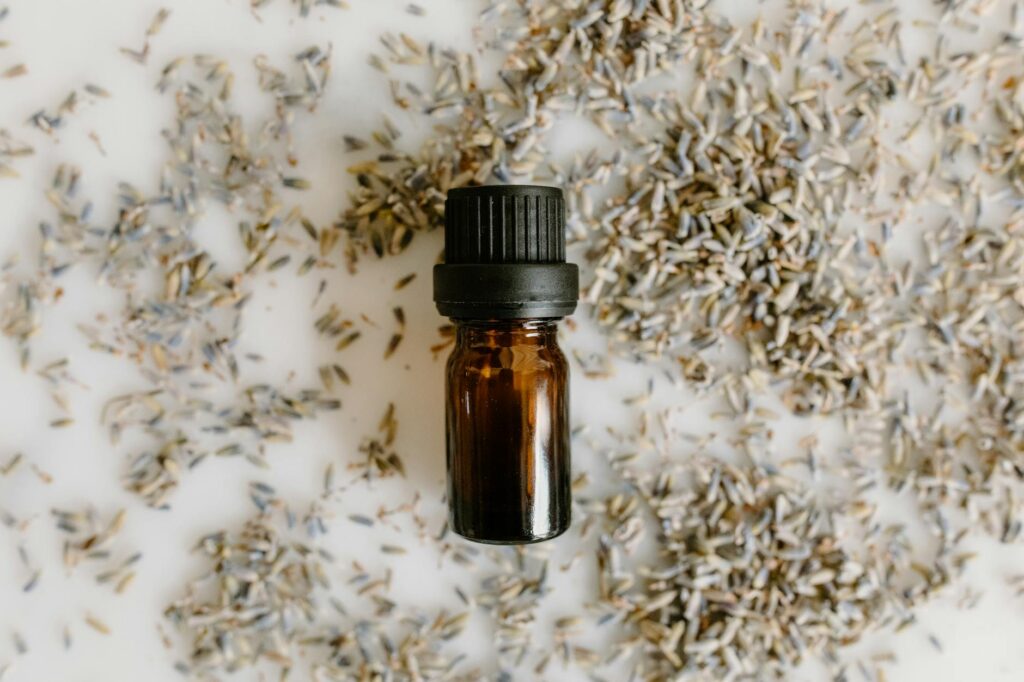
Properties and Uses of Black Seed Oil
Introduction
Black seed oil, derived from the seeds of the Nigella sativa plant, has been a staple in traditional medicine for centuries. Known for its rich array of beneficial compounds, it has garnered attention in recent years for its potential uses in various wellness practices, including aromatherapy. This article explores the properties, benefits, and applications of black seed oil, providing a comprehensive understanding of this remarkable oil.
What Is Black Seed Oil?
Black seed oil is extracted from the seeds of the Nigella sativa plant, a flowering plant native to southwest Asia. The seeds have been used for over 2,000 years in various cultures for their medicinal properties. The oil is characterized by its dark color and distinctive, slightly bitter taste. It contains a variety of bioactive compounds, including thymoquinone, which is believed to contribute significantly to its potential health benefits.
The extraction of black seed oil is typically performed through cold pressing, a method that helps retain its nutritional and therapeutic properties. The oil can be used in various forms—topically, ingested, or inhaled—making it versatile in its applications.
Key Benefits and Properties
Nutritional Composition
Black seed oil is rich in essential fatty acids, vitamins, and minerals. Its primary components include:
- Thymoquinone: This compound is a powerful antioxidant and anti-inflammatory agent.
- Essential Fatty Acids: Omega-3 and Omega-6 fatty acids are present, supporting overall health.
- Vitamins: Vitamins A, B, and C, along with several minerals, contribute to its nutritional profile.
- Dark and Cool Environment: Keep the oil in a cool, dark place to prevent oxidation.
- Sealed Container: Always store black seed oil in a tightly sealed container to minimize exposure to air and light.
Antioxidant Properties
The antioxidants in black seed oil help combat oxidative stress in the body, which is linked to various chronic diseases. Thymoquinone, in particular, has shown promise in neutralizing free radicals.
Anti-Inflammatory Effects
Black seed oil has been studied for its anti-inflammatory properties. Its compounds may help reduce inflammation in the body, which can be beneficial in managing discomfort and promoting overall health.
Immune Support
Some research suggests that black seed oil may enhance immune function. The oil’s bioactive compounds may help modulate immune responses, providing additional support during times of illness.
Common Uses
Black seed oil has a wide range of applications, both in traditional practices and modern wellness routines.
Culinary Uses
In cooking, black seed oil can be used as a flavoring agent or dressing. Its unique taste adds a distinct flavor to various dishes. Additionally, it can be incorporated into smoothies or taken directly by the teaspoon for its nutritional benefits.
Skin Care
Due to its moisturizing and antioxidant properties, black seed oil is often used in skin care formulations. It can help alleviate dryness, soothe irritation, and may even assist in the management of certain skin conditions.
Hair Care
Black seed oil is frequently included in hair care products. It may help nourish the scalp, promote hair growth, and improve hair texture.
Digestive Health
Some people incorporate black seed oil into their diets to support digestive health, although individual experiences may vary. It is thought to aid in digestion and may help alleviate discomfort.
Aromatherapy Applications
In aromatherapy, black seed oil is not only valued for its physical benefits but also for its aromatic properties.
Diffusion
When used in a diffuser, black seed oil can create a grounding atmosphere. Its warm, slightly spicy scent may help promote relaxation and focus.
Topical Application
When diluted with a carrier oil, black seed oil can be applied to various pulse points or used in massage. This method may enhance its soothing properties, offering relief from tension and stress.
Blending with Other Oils
Black seed oil can be blended with other essential oils, such as lavender or frankincense, to amplify its therapeutic effects. These combinations can create a harmonious scent profile while enhancing the overall benefits.
Safety Considerations
While black seed oil is generally considered safe for most individuals when used appropriately, there are some important considerations to keep in mind:
Allergic Reactions
Individuals with known allergies to plants in the Ranunculaceae family may want to avoid black seed oil or conduct a patch test prior to use.
Pregnancy and Breastfeeding
Pregnant or breastfeeding women should consult a healthcare professional before using black seed oil, as its effects have not been extensively studied in these populations.
Drug Interactions
Black seed oil may interact with certain medications, including those that affect blood sugar levels or blood pressure. It is advisable to consult a healthcare provider if you are taking prescription medications.
Dosage
If ingested, it is essential to adhere to recommended dosages. Overconsumption could lead to undesirable effects.
Storage and Shelf Life
To preserve the quality of black seed oil, proper storage is key:
Storage Conditions
Shelf Life
When stored correctly, black seed oil typically has a shelf life of about 1 to 2 years. However, it is advisable to check for any changes in smell or appearance before use, as these may indicate spoilage.
Frequently Asked Questions
1. What is the best way to use black seed oil?
The best method of use varies per individual preference. It can be ingested, used topically, or diffused in aromatherapy. Always dilute it with a carrier oil when applying topically.
2. Can black seed oil be taken internally?
Yes, black seed oil can be taken internally, but it is essential to follow recommended dosages. Always consult with a healthcare provider if you have concerns.
3. Is black seed oil safe for children?
Due to the lack of comprehensive studies, it is advisable to consult a healthcare professional before using black seed oil with children.
4. How can I incorporate black seed oil into my daily routine?
You can incorporate black seed oil into your daily routine by adding it to smoothies, using it in cooking, applying it topically for skin or hair care, or using it in aromatherapy.
5. Where can I buy high-quality black seed oil?
High-quality black seed oil can be found in health food stores, specialty shops, and online retailers. Look for cold-pressed, organic varieties for the best quality.
Conclusion
Black seed oil is a versatile oil with a rich history and a wide range of applications. From culinary uses to skin and hair care, and even in aromatherapy, its benefits continue to be explored. While it offers promising properties, it is essential to approach its use with awareness and caution. As with any natural product, informed use and consultation with a healthcare provider are recommended, particularly for individuals with underlying health conditions or those who are pregnant or breastfeeding.