
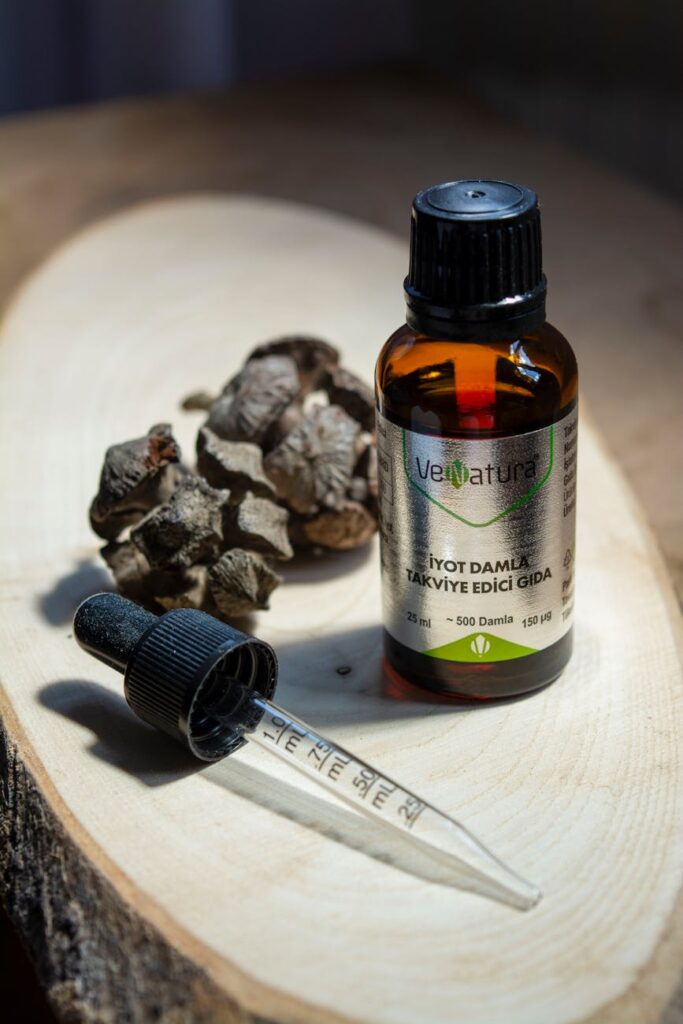
Properties and Uses of Camellia Oil
Introduction
Camellia oil, derived from the seeds of the Camellia plant, has garnered attention in both traditional and contemporary wellness practices. Known for its rich nutrient profile and versatile applications, this oil has been utilized for centuries in various cultures. In this article, we will explore what camellia oil is, its key benefits and properties, common uses, applications in aromatherapy, safety considerations, storage recommendations, and address frequently asked questions.
What Is Camellia Oil?
Camellia oil is extracted from the seeds of the Camellia plant, primarily from species such as Camellia oleifera and Camellia japonica. This oil is native to East Asia, especially China, where it has been traditionally used in cooking, skincare, and health practices. The extraction process typically involves cold-pressing the seeds to retain the oil’s natural properties.
Camellia oil is often lauded for its light texture and ability to absorb quickly into the skin, making it a popular ingredient in various cosmetic formulations. Its color ranges from pale yellow to golden, and it possesses a mild, pleasant aroma.
Key Benefits and Properties
Nutritional Composition
Camellia oil is rich in essential fatty acids, particularly oleic acid, which accounts for a significant portion of its composition. It also contains palmitic and linoleic acids, as well as vitamins A, B, and E, which contribute to its nourishing properties.
Antioxidant Properties
The oil is known for its high antioxidant content, which can help neutralize free radicals and reduce oxidative stress. This property is essential for maintaining healthy skin and may protect against premature aging.
Moisturizing and Emollient Qualities
One of the standout features of camellia oil is its ability to hydrate and moisturize the skin. It forms a protective barrier that helps retain moisture, making it an excellent choice for dry or sensitive skin.
Anti-inflammatory Effects
Camellia oil exhibits anti-inflammatory properties, which can be beneficial for soothing irritated skin and reducing redness. This quality makes it suitable for use in formulations designed for sensitive or inflamed skin conditions.
Common Uses
Skincare
Camellia oil is increasingly used in skincare products due to its hydrating, anti-aging, and soothing properties. It can be found in serums, creams, and lotions, often marketed as a natural alternative to synthetic moisturizers.
Haircare
In haircare applications, camellia oil acts as a natural conditioner. It helps to nourish the hair, reduce frizz, and enhance shine. Many hair oils and treatments incorporate camellia oil for its ability to penetrate the hair shaft and provide moisture.
Culinary Uses
In some cultures, particularly in Japan and China, camellia oil is used for cooking. Its mild flavor and high smoke point make it suitable for frying and sautéing. It is also used as a dressing in salads and as a dip for vegetables.
Massage Oil
Due to its smooth texture and skin-absorbing properties, camellia oil is often used as a base oil in massage therapy. It provides a glide that enhances the massage experience while nourishing the skin.
Aromatherapy Applications
While camellia oil is not primarily known for its scent, it can be used in conjunction with essential oils in aromatherapy practices. Its mild aroma allows it to blend well with various essential oils, enhancing their therapeutic properties.
Blending with Essential Oils
Camellia oil can be an excellent carrier oil for diluting essential oils. Its light texture and skin-absorbing properties make it a preferred choice for those looking to incorporate essential oils into their daily routines. Some popular essential oils that blend well with camellia oil include lavender, eucalyptus, and tea tree oil.
Application Techniques
In aromatherapy, camellia oil can be used in several ways:
- Topical Application: Dilute essential oils in camellia oil and apply to pulse points or areas of concern.
- Massage: Use camellia oil as a base for aromatherapy massage, combining it with essential oils for a soothing experience.
- Diffusion: Although camellia oil is not typically used in diffusers, it can be combined with essential oils in a carrier for topical applications.
- Cool, Dark Place: Store camellia oil in a cool, dark place, away from direct sunlight and heat sources. This helps prevent oxidation and prolongs shelf life.
- Tightly Sealed Containers: Ensure that the oil is stored in a tightly sealed container to minimize exposure to air, which can degrade the oil over time.
Safety Considerations
While camellia oil is generally regarded as safe for topical use, it is essential to conduct a patch test before applying it to larger areas of the skin. This test can help identify any potential allergic reactions.
Allergic Reactions
Individuals with a known allergy to other oils or seeds should exercise caution when using camellia oil. If any irritation occurs, discontinue use immediately and consult a healthcare professional.
Pregnancy and Nursing
Pregnant or nursing individuals should consult with a healthcare provider before incorporating camellia oil into their routines, particularly in significant quantities or concentrated forms.
Storage and Shelf Life
To maintain the quality and effectiveness of camellia oil, proper storage is crucial.
Storage Recommendations
Shelf Life
When stored correctly, camellia oil typically has a shelf life of 1 to 2 years. However, always check for any changes in smell, color, or consistency before use, as these can indicate spoilage.
Frequently Asked Questions
Is camellia oil suitable for all skin types?
Yes, camellia oil is generally suitable for all skin types, including sensitive and oily skin. Its lightweight texture allows it to absorb without clogging pores.
Can camellia oil help with acne?
While camellia oil has anti-inflammatory properties that may soothe irritation, it is not a treatment for acne. Individuals with acne-prone skin should consult a dermatologist for personalized advice.
How can I incorporate camellia oil into my skincare routine?
You can incorporate camellia oil by using it as a moisturizer, serum, or massage oil. It can also be mixed with other skincare products for enhanced benefits.
Is camellia oil safe for cooking?
Yes, camellia oil is safe for culinary use. Its high smoke point and mild flavor make it suitable for various cooking methods.
Where can I purchase camellia oil?
Camellia oil can be found in health food stores, specialty shops, and online retailers. Look for cold-pressed, organic varieties for the best quality.
Conclusion
Camellia oil is a versatile and beneficial oil that has found its place in both beauty and culinary applications. Its rich nutrient profile, combined with its moisturizing and soothing properties, makes it a valuable addition to any natural skincare or wellness routine. By understanding its properties and uses, individuals can make informed decisions about incorporating camellia oil into their daily lives.