
Properties and Uses of Camellia Seed Oil
Introduction
Camellia seed oil, derived from the seeds of the Camellia oleifera and Camellia japonica plants, has garnered attention for its numerous beneficial properties and applications. This oil has been a staple in traditional Asian cultures for centuries, particularly in China and Japan, where it is revered for its culinary and cosmetic uses. In this article, we will explore the properties, benefits, and various applications of camellia seed oil, as well as provide insights into its safe usage and storage.
What Is Camellia Seed Oil?
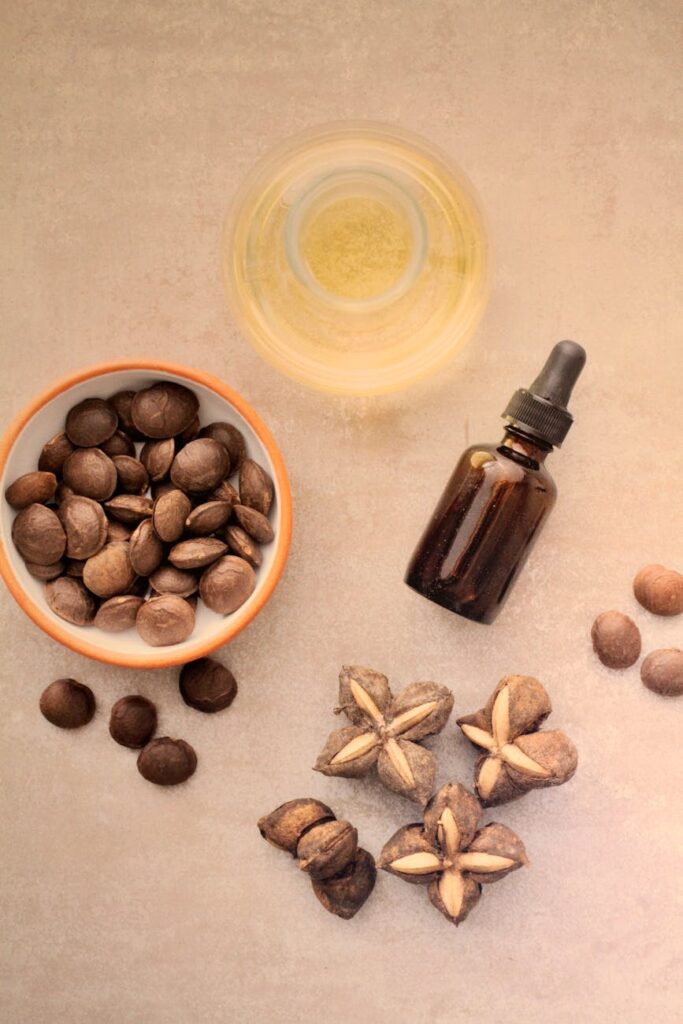
Camellia seed oil is extracted from the seeds of the Camellia plant, which belongs to the family Theaceae. The two most commonly used species for oil extraction are Camellia oleifera, known for its high oil content, and Camellia japonica, often valued for its cosmetic benefits. The extraction process typically involves cold-pressing the seeds, which helps retain the oil’s natural properties without the use of heat that can degrade essential nutrients.
The oil has a light, non-greasy texture and is known for its pale yellow to golden color. Its composition is rich in fatty acids, antioxidants, and vitamins, making it a versatile addition to both skincare and culinary practices.
Key Benefits and Properties
Camellia seed oil is celebrated for a variety of beneficial properties:
1. Nutrient-Rich Composition
Camellia seed oil is predominantly composed of oleic acid, a monounsaturated fatty acid that is beneficial for heart health. It also contains linoleic acid, palmitic acid, and stearic acid, contributing to its emollient properties.
2. Antioxidant Properties
Rich in antioxidants such as vitamin E and polyphenols, camellia seed oil can help protect skin cells from oxidative stress caused by environmental factors like UV rays and pollution.
3. Moisturizing and Emollient Qualities
The oil is easily absorbed by the skin, providing deep hydration without leaving a greasy residue. This makes it an excellent moisturizer for dry skin and hair.
4. Anti-Inflammatory Effects
Camellia seed oil may have anti-inflammatory properties, potentially helping to soothe irritated skin and reduce redness.
5. Skin Regeneration
Due to its nourishing properties, camellia seed oil supports skin regeneration, promoting a healthy and youthful appearance.
Common Uses
Camellia seed oil is versatile and can be utilized in several ways:
1. Cosmetic Use
- Moisturizer: Its emollient properties make it an excellent choice for facial and body moisturizers.
- Carrier Oil: Often used as a carrier oil in aromatherapy and massage oils due to its light texture.
- Hair Care: Used in shampoos and conditioners, it helps to hydrate and strengthen hair while reducing split ends.
- Salad Dressings: Provides a rich flavor when used in vinaigrettes.
- Stir-Frying: Its stability at high temperatures makes it ideal for sautéing and stir-frying.
- Marinades: Adds depth to marinades for meats and vegetables.
- Serums: Often found in high-quality facial serums for its hydrating and anti-aging benefits.
- Cleansers: Used in oil-based cleansers, it helps to dissolve makeup and impurities without stripping the skin.
2. Culinary Use
In East Asian cuisine, camellia seed oil is often used for cooking due to its high smoke point and nutty flavor. It can be used in:
3. Skincare
Aromatherapy Applications
In aromatherapy, camellia seed oil is valued as a carrier oil for essential oils due to its light texture and beneficial properties. Here are some common applications:
1. Massage
When blended with essential oils, camellia seed oil can enhance the effectiveness of massages, providing both hydration and nourishment to the skin.
2. Diffuser Blends
While camellia seed oil is not typically used in diffusers alone, it can be combined with essential oils to create soothing blends for relaxation.
3. Skin Treatments
In aromatherapy practices, it can be used in facial oils or blends aimed at promoting skin health and rejuvenation.
Safety Considerations
While camellia seed oil is generally considered safe for most individuals, some precautions should be observed:
1. Patch Test
Before using camellia seed oil on the skin, it is advisable to conduct a patch test to check for any allergic reactions.
2. Quality Matters
Always choose high-quality, cold-pressed camellia seed oil to ensure it retains its beneficial properties. Look for oils that are organic and free from additives.
3. Storage
Store camellia seed oil in a cool, dark place to prevent oxidation and maintain its quality.
Storage and Shelf Life
The shelf life of camellia seed oil can vary based on storage conditions and the quality of the oil. Generally, when stored properly in a cool, dark environment, camellia seed oil can last for up to 12 to 24 months. It is advisable to keep the oil in an airtight container to minimize exposure to air, which can lead to rancidity.
1. Signs of Spoilage
If the oil develops an off smell, changes in color, or consistency, it should be discarded.
2. Refrigeration
For extended shelf life, consider refrigerating the oil, but allow it to reach room temperature before use to ensure it maintains its intended texture and viscosity.
Frequently Asked Questions
1. Is camellia seed oil suitable for all skin types?
Yes, camellia seed oil is generally suitable for all skin types, including oily and sensitive skin, due to its lightweight and non-comedogenic nature.
2. Can I use camellia seed oil on my hair?
Absolutely. Camellia seed oil can be used to nourish and hydrate hair, making it an excellent addition to hair care routines.
3. Is camellia seed oil safe for cooking?
Yes, camellia seed oil is safe for culinary use and is often employed in Asian cooking due to its high smoke point and pleasant flavor.
4. How do I incorporate camellia seed oil into my skincare routine?
You can use it as a moisturizer, a carrier oil for essential oils, or as a component in DIY skincare formulations.
5. Does camellia seed oil have any known side effects?
Camellia seed oil is generally safe; however, individuals with nut allergies should consult with a healthcare provider before use.
Conclusion
Camellia seed oil is a remarkable oil with a rich history and a wide range of applications in both skincare and culinary practices. Its nourishing properties, combined with its versatility, make it an ideal choice for those looking to enhance their health and beauty routines. By understanding its benefits and proper usage, individuals can fully appreciate what this oil has to offer.