
Properties and Uses of Cardamom Oil
Introduction
Cardamom oil, derived from the seeds of the Elettaria cardamomum plant, is a cherished essential oil known for its unique aroma and versatile applications. This oil has been used for centuries in various cultures for both culinary and therapeutic purposes. The distinctive spicy-sweet scent of cardamom oil adds depth to many dishes and is also celebrated in aromatherapy for its uplifting and soothing properties. This article explores the characteristics, benefits, uses, and safety considerations of cardamom oil, providing a comprehensive understanding of this essential oil.
What Is Cardamom Oil?
Cardamom oil is extracted from the seeds of the cardamom plant, which belongs to the ginger family (Zingiberaceae). The plant is native to the tropical regions of India and is often referred to as the “queen of spices.” There are two primary types of cardamom: green cardamom (Elettaria cardamomum) and black cardamom (Amomum subulatum). Green cardamom is the more commonly used variety for oil extraction.
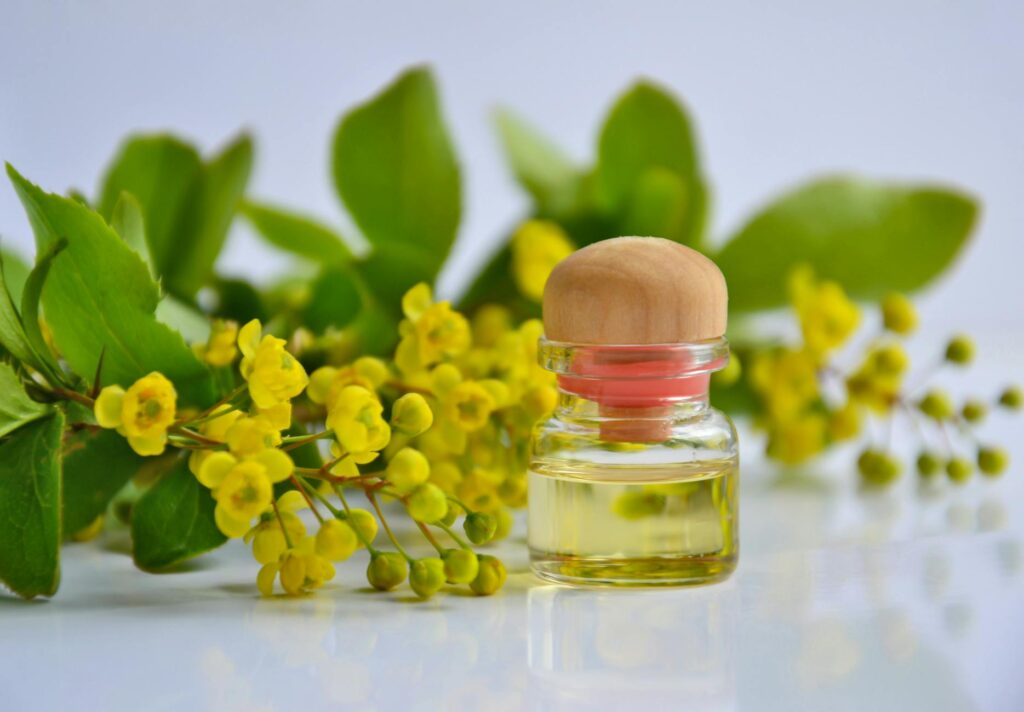
The oil is typically obtained through steam distillation of the seeds, resulting in a pale yellow liquid with a warm, spicy aroma. Cardamom oil contains various chemical compounds, including terpenes, aldehydes, and alcohols, which contribute to its unique fragrance and therapeutic properties.
Key Benefits and Properties
Cardamom oil is renowned for its numerous beneficial properties, making it a valuable addition to aromatherapy and natural wellness practices. Some of its key properties include:
- Antimicrobial: Cardamom oil possesses antimicrobial properties that can help inhibit the growth of certain bacteria and fungi, making it useful for various applications in personal care and cleaning products.
- Digestive Aid: Traditionally, cardamom has been used to support digestive health. The oil is believed to have carminative properties, which may help alleviate gas and bloating.
- Mood Enhancer: The uplifting aroma of cardamom oil is thought to promote feelings of happiness and relaxation. It may help reduce stress and anxiety, making it a popular choice in aromatherapy.
- Anti-inflammatory: Some studies suggest that cardamom oil may possess anti-inflammatory properties, which can be beneficial for soothing discomfort and promoting overall well-being.
- Respiratory Support: The warming properties of cardamom oil can help clear the respiratory system and alleviate symptoms associated with colds or allergies.
- Culinary: Cardamom oil is often used as a flavoring agent in both sweet and savory dishes. It can enhance the taste of baked goods, beverages, and curries, providing a warm and aromatic quality.
- Personal Care: The oil is frequently incorporated into skincare products for its antimicrobial and soothing properties. It can be added to shampoos, lotions, and massage oils to promote skin health and enhance the user experience.
- Household Products: Cardamom oil’s antimicrobial properties make it a popular choice for natural cleaning products. It can be added to homemade cleaners or diffused to freshen the air.
- Perfumes and Fragrances: The warm and spicy scent of cardamom oil is often used in perfumery, contributing to complex fragrance blends that evoke a sense of warmth and comfort.
- Diffusion: One of the most common methods of using cardamom oil is through diffusion. Adding a few drops to an essential oil diffuser can create a warm and inviting atmosphere, promoting relaxation and mental clarity.
- Topical Application: When diluted with a carrier oil, cardamom oil can be applied to pulse points, such as the wrists or temples, to enhance mood and reduce stress. It is advisable to perform a patch test before applying it to larger areas of the skin.
- Bath Additive: Adding cardamom oil to bathwater can create a luxurious and aromatic experience. It can help relieve tension and promote relaxation during a warm bath.
- Inhalation: For immediate effects, inhaling the scent directly from the bottle or placing a drop on a handkerchief can provide a quick mood boost or alleviate feelings of anxiety.
- Dilution: Cardamom oil should always be diluted before topical application. A common dilution ratio is 2-3 drops of essential oil per teaspoon of carrier oil.
- Allergic Reactions: As with any essential oil, there is a risk of allergic reactions. Individuals should conduct a patch test before using cardamom oil on larger skin areas.
- Pregnancy and Nursing: Pregnant or nursing women should consult with a healthcare professional before using cardamom oil, as certain essential oils may not be recommended during these periods.
- Medical Conditions: Individuals with certain medical conditions or those undergoing treatment should consult with a healthcare provider before using cardamom oil.
- Container: Store cardamom oil in a dark glass bottle to protect it from light, which can degrade the oil’s quality over time.
- Temperature: Keep the oil in a cool, dry place away from direct sunlight and heat sources.
- Shelf Life: When stored correctly, cardamom oil typically has a shelf life of 2 to 3 years. However, it is advisable to check for any changes in aroma or appearance before use, as this may indicate the oil is no longer viable.
Common Uses
Cardamom oil has a wide range of applications across various fields, including:
Aromatherapy Applications
In aromatherapy, cardamom oil is valued for its calming and uplifting effects. Here are some common ways to utilize cardamom oil in aromatherapy:
Safety Considerations
While cardamom oil is generally considered safe for most individuals, certain precautions should be taken:
Storage and Shelf Life
To maintain the quality and potency of cardamom oil, proper storage is essential. Here are some guidelines:
Frequently Asked Questions
1. Can cardamom oil be ingested?
While cardamom oil is used in culinary applications, ingesting essential oils should be done with caution and under the guidance of a qualified professional. It is essential to ensure that the oil is food-grade and safe for consumption.
2. Is cardamom oil safe for children?
Cardamom oil can be used with children, but it is crucial to dilute it adequately and consult a healthcare provider for age-appropriate usage guidelines.
3. Can cardamom oil help with stress?
Cardamom oil’s uplifting and soothing aroma may help reduce feelings of stress and promote relaxation. However, individual responses to essential oils can vary.
4. How can I incorporate cardamom oil into my skincare routine?
Cardamom oil can be added to skincare products such as lotions or carrier oils for a fragrant and antimicrobial boost. Always dilute before applying to the skin.
5. Where can I purchase high-quality cardamom oil?
High-quality cardamom oil can be found at health food stores, specialty essential oil retailers, or online. Look for products that provide information on sourcing and quality testing.
Conclusion
Cardamom oil is a versatile and fragrant essential oil with a rich history of use across culinary, therapeutic, and aromatic applications. Its unique properties make it a valuable addition to various practices, from enhancing the flavor of dishes to promoting well-being in aromatherapy. By understanding its benefits, uses, and safety considerations, individuals can make informed decisions about incorporating cardamom oil into their daily routines. Whether you are a seasoned essential oil enthusiast or a newcomer, cardamom oil offers an array of possibilities to explore.