
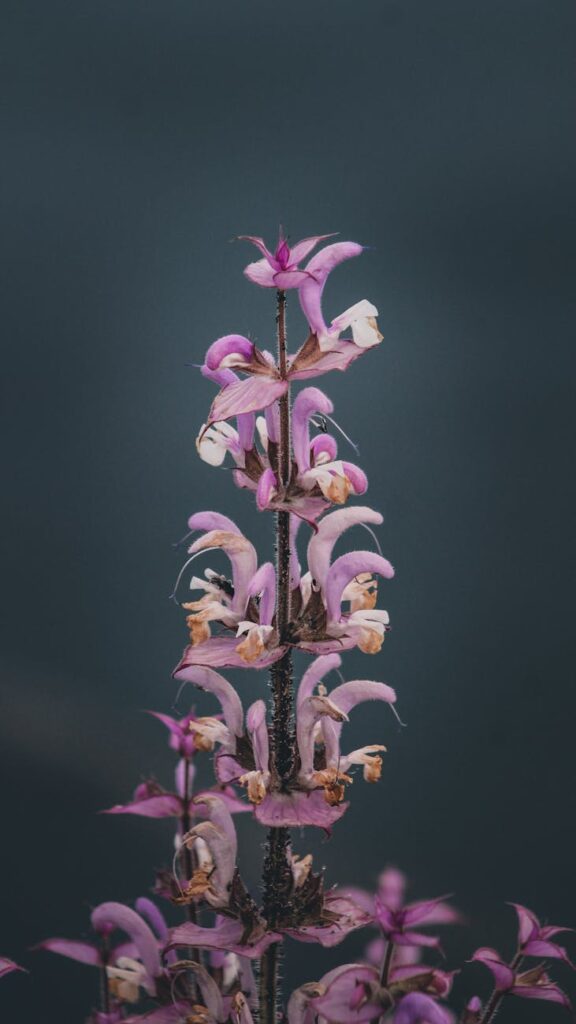
Properties and Uses of Clary Sage Oil
Introduction
Clary sage oil, derived from the Salvia sclarea plant, has captured the interest of both enthusiasts and practitioners of aromatherapy and natural health. Known for its unique aroma and diverse applications, this essential oil is celebrated not only for its fragrance but also for its potential benefits. This article delves into the properties and uses of clary sage oil, offering a comprehensive understanding for those interested in its applications within aromatherapy and beyond.
What Is Clary Sage Oil?
Clary sage, a biennial herb native to the Mediterranean region, belongs to the mint family (Lamiaceae). The oil is extracted from the leaves and flowering tops of the plant through steam distillation. Clary sage oil features a warm, herbaceous scent with subtle floral notes, making it a popular choice in perfumery and aromatherapy.
The primary components of clary sage oil include linalool, linalyl acetate, and sclareol, each contributing to its characteristic aroma and therapeutic properties. Clary sage oil is often confused with regular sage oil (Salvia officinalis), but the two have distinct chemical compositions and effects.
Key Benefits and Properties
Clary sage oil is renowned for its multifaceted properties, which can be categorized as follows:
1. Relaxation and Mood Enhancement
Clary sage oil is often associated with relaxation and stress relief. Its calming aroma is believed to promote emotional balance and may help alleviate feelings of anxiety and tension. The oil’s potential to uplift mood makes it a favored choice in diffusers and during meditation.
2. Hormonal Balance
Clary sage oil has been traditionally linked to hormonal health, particularly in women. It is thought to support menstrual health and alleviate symptoms associated with hormonal fluctuations, although scientific evidence is still emerging in this area.
3. Antimicrobial Properties
Research suggests that clary sage oil may possess antimicrobial properties, potentially aiding in the reduction of certain bacteria and fungi. This quality makes it a candidate for inclusion in natural cleaning products and personal care formulations.
4. Anti-inflammatory Effects
Some studies indicate that clary sage oil may exhibit anti-inflammatory properties, which could be beneficial for various conditions characterized by inflammation. However, more research is needed to fully understand its efficacy in this regard.
Common Uses
Clary sage oil is versatile and can be utilized in various applications:
1. Aromatherapy
The oil is commonly used in diffusers to create a calming atmosphere. It can be blended with other essential oils, such as lavender or bergamot, to enhance its soothing effects.
2. Massage
When diluted with a carrier oil, clary sage oil can be used in massage to promote relaxation and relieve tension in the muscles.
3. Bathing
Adding a few drops of clary sage oil to bathwater can create a serene experience, helping to unwind after a long day.
4. Skin Care
In diluted form, clary sage oil can be incorporated into skincare products. Its potential antimicrobial and anti-inflammatory properties may make it useful for addressing certain skin issues, although individual reactions may vary.
5. Hair Care
Clary sage oil is sometimes used in hair care formulations for its purported ability to promote scalp health and enhance the shine of hair.
Aromatherapy Applications
In aromatherapy, clary sage oil is often utilized to create specific emotional and physical responses. Here are some common applications:
1. Stress Relief Blends
Combining clary sage oil with oils like bergamot and frankincense can create a powerful blend for stress relief. Diffusing this mixture during meditation or yoga can enhance relaxation.
2. Hormonal Support
For individuals seeking to balance hormones, clary sage oil can be blended with geranium and lavender oils. This combination is often used during the menstrual cycle to promote a sense of well-being.
3. Sleep Aid
Blending clary sage oil with chamomile and cedarwood oils in a diffuser can create a calming environment conducive to sleep.
4. Focus and Clarity
To enhance concentration, clary sage oil can be combined with rosemary and lemon oils. This blend can be diffused during study sessions or work hours.
Safety Considerations
While clary sage oil is generally considered safe for most individuals when used appropriately, certain precautions should be taken:
1. Dilution
Essential oils should always be diluted with a carrier oil before topical application to minimize the risk of skin irritation. A typical dilution ratio is 1-2% essential oil to carrier oil.
2. Pregnancy and Lactation
Clary sage oil is often advised against during pregnancy due to its potential to stimulate uterine contractions. Pregnant or breastfeeding individuals should consult a healthcare professional before using clary sage oil.
3. Allergic Reactions
As with any essential oil, individuals should conduct a patch test before widespread use. If any irritation or allergic reaction occurs, discontinue use immediately.
4. Medical Conditions
Individuals with specific medical conditions or those taking medications should consult with a healthcare provider before using clary sage oil.
Storage and Shelf Life
Proper storage is essential to maintain the integrity of clary sage oil. It should be kept in a cool, dark place, away from direct sunlight and heat sources. The oil should be stored in a tightly sealed, dark glass bottle to prevent oxidation. When stored correctly, clary sage oil can have a shelf life of up to three to five years.
Frequently Asked Questions
1. Can clary sage oil be used in cooking?
Clary sage oil is not typically used in cooking and is primarily intended for aromatherapy and topical applications. Always ensure an essential oil is food-grade and safe for ingestion before considering it for culinary use.
2. Is clary sage oil safe for children?
Clary sage oil is not commonly recommended for use with children. If considering its use, consult a qualified aromatherapist or healthcare provider for guidance.
3. How does clary sage oil compare to other sage oils?
Clary sage oil (Salvia sclarea) is distinct from common sage oil (Salvia officinalis) in both aroma and chemical composition. While both oils belong to the sage family, their properties and uses may differ significantly.
4. Can clary sage oil be used for acne?
Clary sage oil may have potential benefits for acne-prone skin due to its antimicrobial and anti-inflammatory properties. However, it should be diluted appropriately and tested for sensitivity before application.
Conclusion
Clary sage oil stands out as a multifaceted essential oil with a range of potential benefits and applications. Its soothing aroma and various properties make it a valuable addition to the practices of aromatherapy and natural wellness. As with any essential oil, it is essential to approach its use with knowledge and caution, ensuring that safety guidelines are followed. Whether you are seeking emotional balance, relaxation, or support in your daily life, clary sage oil offers a unique and enriching experience.