
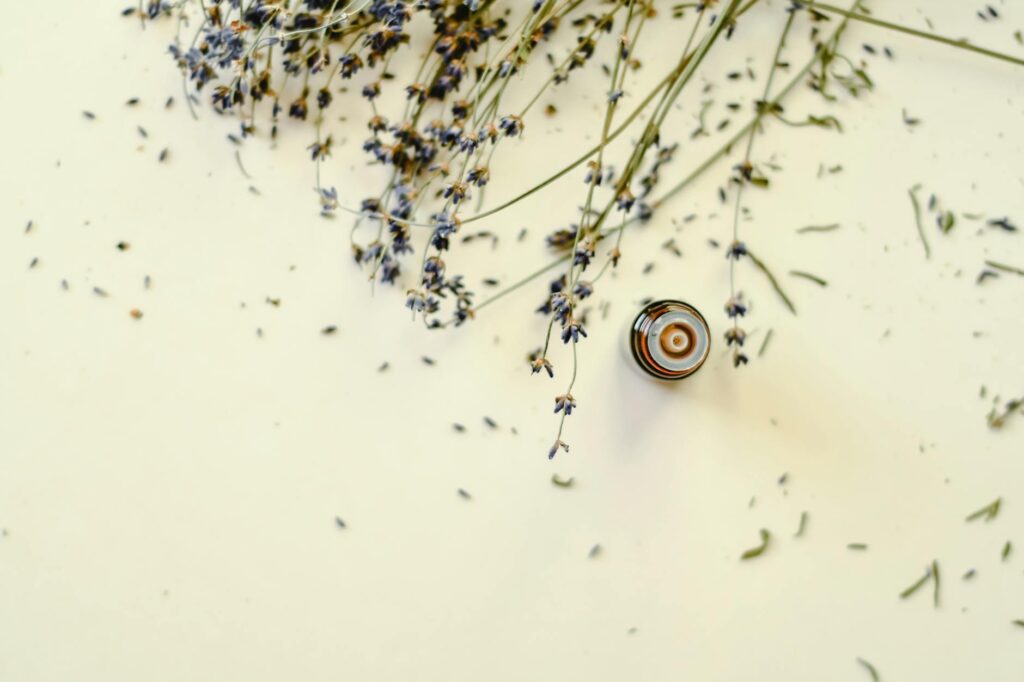
Properties and Uses of Floral Waters
Introduction
Floral waters, also known as hydrosols or flower waters, have been cherished for centuries in various cultures for their aromatic and therapeutic properties. Derived from the distillation process of essential oils, these gentle, fragrant waters serve a multitude of purposes in aromatherapy, skincare, culinary applications, and more. This article delves into the properties, benefits, and diverse uses of floral waters, providing a comprehensive overview for those interested in incorporating these botanical marvels into their lives.
What Is Floral Waters?
Floral waters are the byproduct of the steam distillation of plant materials, primarily flowers. During this process, steam passes through the plant, extracting essential oils and water-soluble compounds. The steam is then cooled, resulting in two distinct products: the essential oil and the hydrosol, or floral water. Unlike essential oils, floral waters contain a lower concentration of aromatic compounds, making them milder and suitable for a broader range of applications.
Common examples of floral waters include rose water, lavender water, and orange blossom water. Each type has its unique scent profile and properties, influenced by the plant from which it is derived.
Key Benefits and Properties
Floral waters possess a variety of benefits and properties that make them valuable in both personal care and therapeutic practices. Some of their notable characteristics include:
1. Gentle and Soothing
Floral waters are known for their mild nature, making them suitable for sensitive skin types. They can be used directly on the skin without the risk of irritation commonly associated with concentrated essential oils.
2. Hydrating and Refreshing
These waters are often hydrating and can help to refresh and revitalize the skin. They are commonly used as facial mists or toners to provide a quick moisture boost.
3. Aromatic Qualities
Floral waters carry the delicate fragrance of their source plants, offering a subtle, pleasant aroma that can uplift the mood and create a calming atmosphere.
4. Antioxidant Properties
Many floral waters contain antioxidants that can support skin health by combating free radicals and promoting a youthful appearance.
5. Antimicrobial and Anti-inflammatory
Certain floral waters, such as rose and lavender, exhibit antimicrobial and anti-inflammatory properties, which can contribute to skin health and overall well-being.
Common Uses
Floral waters are versatile and can be employed in various ways, including:
1. Skincare
Floral waters are widely used in skincare routines as toners, mists, and cleansing agents. They can help balance the skin’s pH, reduce redness, and soothe irritation.
2. Aromatherapy
In aromatherapy, floral waters can be used in diffusers or added to baths to create a relaxing ambiance. Their gentle nature makes them suitable for direct inhalation or topical application when diluted.
3. Culinary Applications
Certain floral waters, like orange blossom and rose water, are popular in culinary practices, adding unique flavors and aromas to dishes, desserts, and beverages.
4. Household Uses
Floral waters can be used as natural air fresheners, fabric sprays, or cleaning solutions, offering a pleasant scent while minimizing the use of synthetic fragrances.
5. Hair Care
Floral waters can be incorporated into hair care routines as conditioning sprays or scalp treatments, providing hydration and a lovely fragrance.
Aromatherapy Applications
In aromatherapy, floral waters play a significant role due to their soothing properties and gentle nature. Here are several applications:
1. Facial Mists
Floral waters can be used as facial mists to hydrate and refresh the skin. Simply spray onto the face throughout the day for an instant moisture boost.
2. Bath Additives
Adding floral waters to bathwater can enhance the bathing experience, promoting relaxation and a sense of well-being.
3. Massage Oils
Floral waters can be blended with carrier oils to create fragrant massage oils that soothe and relax the body.
4. Diffusion
While floral waters do not have the same potency as essential oils, they can still be added to diffusers for a light aromatic experience.
5. Meditation and Mindfulness Practices
Incorporating floral waters into meditation spaces can create a calming environment, enhancing the overall experience.
Safety Considerations
While floral waters are generally considered safe for most individuals, it is essential to observe certain precautions:
1. Patch Testing
Before applying any floral water to the skin, particularly for the first time, conduct a patch test to ensure no adverse reactions occur.
2. Dilution
Although floral waters are gentler than essential oils, they can still be potent. For sensitive skin or specific applications, consider diluting them further with water or a carrier oil.
3. Quality Assurance
Always choose high-quality floral waters from reputable sources to ensure purity and avoid synthetic additives or preservatives.
4. Storage Conditions
Store floral waters in a cool, dark place to maintain their integrity and prolong shelf life.
Storage and Shelf Life
The shelf life of floral waters can vary depending on factors such as the type of water, storage conditions, and whether preservatives are used. Generally, floral waters should be stored in airtight containers, away from sunlight and heat, to prevent degradation.
1. Typical Shelf Life
Most floral waters have a shelf life ranging from six months to two years. However, it is advisable to check for any changes in appearance, smell, or sediment before use.
2. Refrigeration
Some floral waters, especially those without preservatives, can benefit from refrigeration, extending their freshness.
3. Signs of Spoilage
If a floral water develops an unusual odor, changes in color, or sediment, it is best to dispose of it, as these may indicate spoilage.
Frequently Asked Questions
1. What is the difference between floral waters and essential oils?
Floral waters are the distillation byproduct of essential oils, containing lower concentrations of aromatic compounds and higher water content. Essential oils are more concentrated and potent.
2. Can floral waters be ingested?
While some floral waters are safe for culinary use, always verify the source and ensure they are food-grade before consumption.
3. Are floral waters suitable for all skin types?
Floral waters are generally safe for most skin types, including sensitive skin. However, individual reactions may vary, so it’s best to perform a patch test first.
4. How can I incorporate floral waters into my daily routine?
You can use floral waters as facial mists, in baths, as hair sprays, or in cooking to add unique flavors and fragrances to your meals.
5. Where can I purchase high-quality floral waters?
High-quality floral waters can be found at health food stores, specialty aromatherapy shops, or online retailers that focus on natural products.
Conclusion
Floral waters are a delightful and versatile addition to various aspects of daily life, from skincare and aromatherapy to culinary delights. Their gentle nature, coupled with an array of beneficial properties, makes them an excellent choice for those seeking natural alternatives. Whether you are a seasoned user or new to the world of floral waters, understanding their uses and properties can enhance your appreciation for these botanical treasures.