
Properties and Uses of Fractionated Coconut Oil
Introduction
Fractionated Coconut Oil (FCO) is a versatile carrier oil that has gained popularity in various domains, including aromatherapy, skincare, and massage. Unlike its virgin counterpart, which retains the natural fatty acids and exhibits a solid state at cooler temperatures, fractionated coconut oil remains liquid at room temperature. This unique property, along with its lightweight texture and long shelf life, makes it an essential ingredient in many natural health formulations. This article explores the properties and uses of fractionated coconut oil, highlighting its benefits and applications in various fields.
What Is Fractionated Coconut Oil?
Fractionated Coconut Oil is derived from the coconut fruit (Cocos nucifera) through a process known as fractionation. This process involves the separation of the oil into different components based on their melting points. The result is an oil that consists primarily of medium-chain triglycerides (MCTs), specifically caprylic and capric acids, while removing long-chain fatty acids.
The process of fractionation not only makes the oil liquid at room temperature but also eliminates the coconut scent and flavor, which can be advantageous for certain applications. This refined oil is light, non-greasy, and easily absorbed by the skin, making it a favored carrier oil for essential oils and other botanical ingredients.
Key Benefits and Properties
Lightweight and Non-Greasy
One of the most significant advantages of fractionated coconut oil is its lightweight and non-greasy texture. This property allows it to be easily absorbed into the skin without leaving a heavy residue, making it ideal for topical applications.
Odorless and Colorless
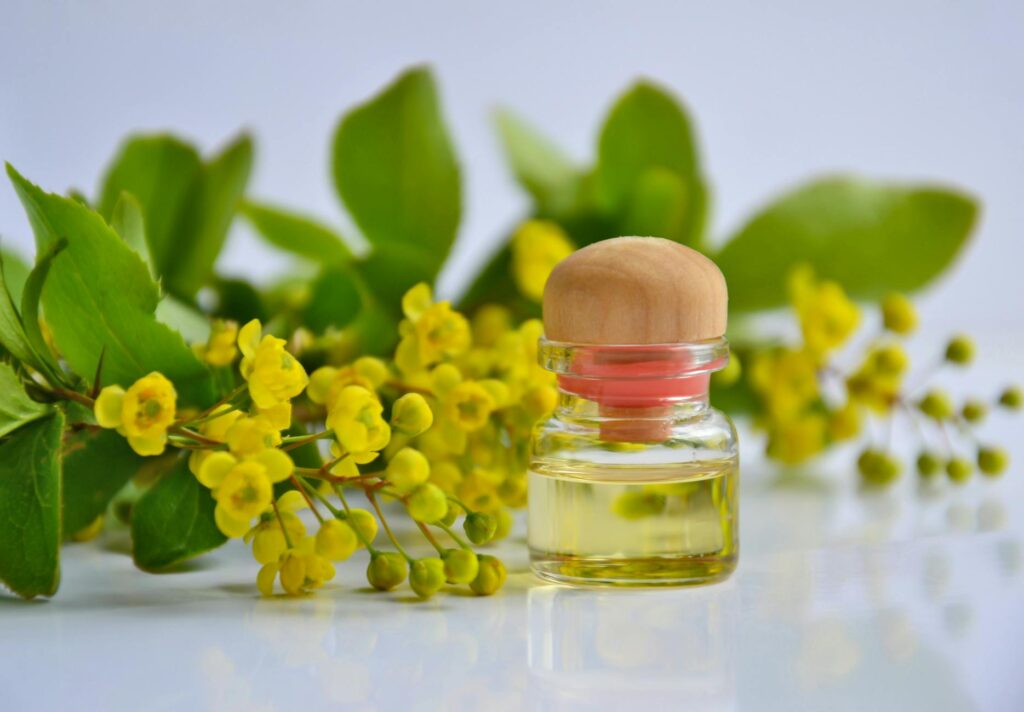
Fractionated coconut oil is virtually odorless and colorless, which allows it to blend seamlessly with other oils and ingredients without altering their characteristics. This makes it an excellent choice for formulations where the scent and color of the carrier oil should not interfere with the primary ingredients.
Moisturizing Properties
FCO is known for its moisturizing capabilities. It helps to hydrate the skin by forming a barrier that retains moisture, which is particularly beneficial for dry or sensitive skin types.
Stability and Long Shelf Life
Due to the removal of long-chain fatty acids, fractionated coconut oil has a longer shelf life compared to other oils. It is resistant to oxidative spoilage, making it a stable choice for formulations and products.
Antimicrobial Properties
Some studies suggest that fractionated coconut oil may have mild antimicrobial properties, which can help in preserving the integrity of topical formulations. This can be particularly useful in skincare products aimed at acne-prone or irritated skin.
Common Uses
Carrier Oil for Essential Oils
One of the most prevalent uses of fractionated coconut oil is as a carrier oil in aromatherapy. Its ability to dilute essential oils safely allows for easier application and reduces the risk of skin irritation. It serves as an ideal medium for applying essential oils topically, particularly for individuals with sensitive skin.
Skin Moisturizer
Fractionated coconut oil is often used in skincare products due to its moisturizing properties. It can be applied directly to the skin or mixed into lotions and creams to enhance hydration. Its lightweight nature makes it suitable for facial applications as well.
Hair Care
In hair care, FCO can be used as a conditioner or a treatment to promote shine and manageability. Its moisturizing properties help to nourish dry or damaged hair without weighing it down.
Massage Oil
Due to its smooth texture and excellent glide, fractionated coconut oil is frequently used in massage therapy. It allows for prolonged massage without the need for frequent reapplication, enhancing the overall experience.
Natural Makeup Remover
Fractionated coconut oil can be utilized as a natural makeup remover. Its ability to dissolve makeup products, including waterproof formulations, makes it a gentle yet effective option for cleansing the skin.
Aromatherapy Applications
In the realm of aromatherapy, fractionated coconut oil plays a pivotal role in ensuring the safe and effective use of essential oils. Here are some key applications:
Dilution of Essential Oils
To use essential oils safely on the skin, they must be diluted with a carrier oil. Fractionated coconut oil offers an ideal solution due to its non-irritating properties and ability to blend well with a wide variety of essential oils.
Personal Blends
Many aromatherapy enthusiasts create custom blends using fractionated coconut oil as a base. This allows for personalized scent profiles and the therapeutic benefits of various essential oils, which can be applied topically or used in diffusers.
Roll-On Applications
FCO is commonly used in roll-on applicators, where essential oils are diluted and stored in a convenient format. This allows for easy application throughout the day, particularly for stress relief or relaxation.
Bath Products
Fractionated coconut oil can be added to bath formulations, enhancing the moisturizing effects of bathwater. It provides a luxurious feel while ensuring that the skin remains hydrated.
Safety Considerations
While fractionated coconut oil is generally considered safe for use, there are some important safety considerations to keep in mind:
Skin Sensitivity
Though FCO is known for its non-irritating properties, it is still advisable to perform a patch test before applying it extensively, especially for individuals with sensitive skin or allergies to coconut.
Essential Oil Dilution Ratios
When using fractionated coconut oil as a carrier for essential oils, it is crucial to adhere to proper dilution ratios. A general guideline is to dilute essential oils to 1-5% concentration, depending on the intended use and the specific essential oil.
Storage Practices
To maintain the quality of fractionated coconut oil, it should be stored in a cool, dark place away from direct sunlight. Proper storage will help prevent degradation and ensure its longevity.
Storage and Shelf Life
Fractionated coconut oil boasts a long shelf life, typically lasting between 2 to 3 years when stored correctly. To ensure its longevity:
- Keep the oil in a dark glass or opaque container to protect it from light.
- Store it in a cool environment, ideally away from heat sources.
- Avoid introducing moisture or contaminants into the bottle, as this can compromise the oil’s quality.
Frequently Asked Questions
Is Fractionated Coconut Oil the Same as Regular Coconut Oil?
No, fractionated coconut oil is different from regular coconut oil. While both are derived from coconuts, fractionated coconut oil has undergone a process to remove long-chain fatty acids, resulting in a liquid oil that remains stable at room temperature.
Can I Use Fractionated Coconut Oil on My Face?
Yes, fractionated coconut oil is suitable for facial applications due to its lightweight and non-greasy texture. However, it is advisable to perform a patch test to ensure compatibility with your skin type.
Does Fractionated Coconut Oil Have a Scent?
Fractionated coconut oil is virtually odorless, making it an excellent carrier oil for blending with essential oils without altering their scent profile.
Can I Use Fractionated Coconut Oil as a Cooking Oil?
While fractionated coconut oil is food-grade and safe for consumption, it is typically not used for cooking due to its refined nature and lack of flavor. It is best utilized for topical applications and cosmetic formulations.
Is Fractionated Coconut Oil Hypoallergenic?
Fractionated coconut oil is generally considered hypoallergenic, but individual reactions may vary. It is essential to perform a patch test before widespread use, especially for individuals with sensitivities or allergies.
Conclusion
Fractionated Coconut Oil is a multifaceted oil with a wide range of applications in aromatherapy, skincare, and personal care. Its lightweight, non-greasy texture, coupled with its moisturizing properties and long shelf life, make it a preferred choice for many formulations. By understanding its properties and uses, individuals can harness the benefits of this versatile carrier oil in their daily routines. Always remember to consider safety precautions and storage practices to maximize the oil’s efficacy and longevity.