
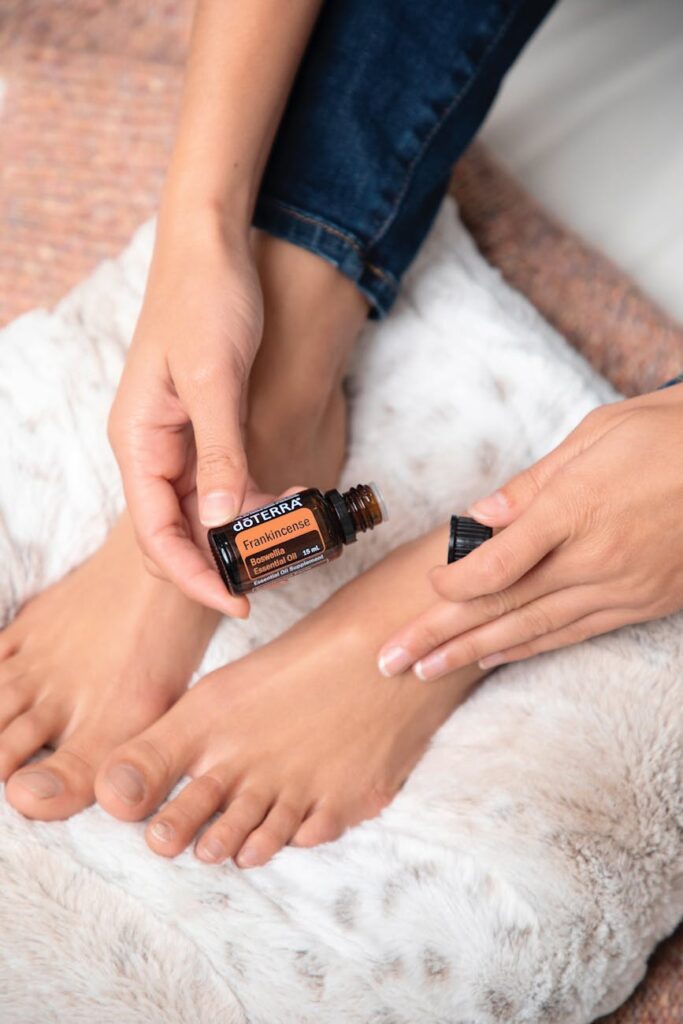
Properties and Uses of Frankincense Oil
Introduction
Frankincense oil, derived from the resin of the Boswellia tree, has been treasured for thousands of years for its aromatic and therapeutic properties. Revered in various cultures, it has found its place in religious ceremonies, traditional medicine, and modern holistic practices. This article explores the properties, benefits, and uses of frankincense oil, providing a comprehensive overview for those interested in its applications in aromatherapy and beyond.
What Is Frankincense Oil?
Frankincense oil is an essential oil obtained through steam distillation of the resin harvested from the Boswellia species, primarily Boswellia sacra, Boswellia serrata, and Boswellia carteri. This resin, also known as olibanum, is collected by making incisions in the bark of the tree, allowing the sap to ooze out and harden into beads. These beads are then processed to extract the essential oil.
Known for its warm, woody, and slightly spicy aroma, frankincense oil is a staple in perfumery and incense production. Its historical significance is profound; it was one of the gifts presented to the newborn Jesus by the Magi, symbolizing its value in ancient times.
Key Benefits and Properties
Frankincense oil is celebrated for its diverse properties, making it popular in aromatherapy and natural wellness practices. Some of its key benefits include:
1. Anti-inflammatory Properties
Frankincense oil is known to possess anti-inflammatory effects, which may help alleviate discomfort and promote overall well-being.
2. Antiseptic and Astringent
The oil has antiseptic qualities, making it useful for cleansing wounds and preventing infection. Its astringent properties can help tone and tighten skin, contributing to a more youthful appearance.
3. Relaxation and Stress Relief
Frankincense oil is often used to promote relaxation and reduce feelings of anxiety. Its calming aroma can help create a peaceful atmosphere, making it a popular choice for meditation and spiritual practices.
4. Immune Support
Although not a substitute for medical treatment, frankincense oil is believed to support immune function, helping the body fend off illness.
5. Skin Health
This oil is frequently included in skincare formulations for its ability to improve skin tone, reduce the appearance of scars, and promote healing.
Common Uses
Frankincense oil has a wide array of applications across various domains:
1. Aromatherapy
Inhalation or diffusion of frankincense oil can enhance relaxation and improve mood. It is often used in meditation practices to deepen focus and connection.
2. Skincare
Frankincense oil is often added to creams, lotions, and serums for its skin-enhancing properties. It can be diluted with a carrier oil and applied topically to improve skin tone and texture.
3. Massage
When blended with carrier oils, frankincense is used in massages to soothe sore muscles and promote relaxation.
4. Household
Frankincense oil can be used in cleaning products for its antiseptic properties, helping to purify the air and surfaces.
5. Candles and Incense
Due to its warm scent, frankincense is frequently used in candles and incense, creating a calming environment.
Aromatherapy Applications
The application of frankincense oil in aromatherapy is diverse, with various methods available to harness its benefits:
1. Diffusion
Using an essential oil diffuser, frankincense oil can be dispersed into the air to create a calming atmosphere. This method is particularly effective during meditation or yoga sessions.
2. Inhalation
A few drops can be placed on a tissue or cotton ball and inhaled directly for immediate stress relief and mental clarity.
3. Topical Application
When diluted with a carrier oil, frankincense oil can be applied to pulse points, such as wrists or temples, to promote a sense of calm.
4. Bathing
Adding a few drops to a warm bath can create a soothing experience, helping to relax both the body and mind.
Safety Considerations
While frankincense oil is generally considered safe for use, certain precautions should be observed:
1. Dilution
Essential oils should always be diluted with a carrier oil before applying to the skin to avoid irritation.
2. Patch Test
Performing a patch test before widespread application is advisable to check for any allergic reactions.
3. Pregnancy and Nursing
Pregnant or nursing individuals are encouraged to consult healthcare professionals before using essential oils.
4. Medical Conditions
Those with specific medical conditions or those taking medications should seek guidance from a qualified healthcare provider before incorporating frankincense oil into their routines.
Storage and Shelf Life
Proper storage of frankincense oil is essential for maintaining its potency and effectiveness. Here are some guidelines:
1. Storage Conditions
Store frankincense oil in a cool, dark place, away from direct sunlight and heat sources. This helps preserve its aromatic qualities and therapeutic benefits.
2. Container
Use dark glass bottles to protect the oil from light degradation. Ensure that the bottle is tightly sealed to prevent oxidation.
3. Shelf Life
When stored correctly, frankincense oil can last for several years. However, it is advisable to check for any changes in aroma or consistency over time, as these may indicate that the oil has expired.
Frequently Asked Questions
1. Can frankincense oil be ingested?
Ingesting essential oils is not generally recommended without the guidance of a qualified healthcare professional, as some oils can be toxic or cause adverse reactions.
2. Is frankincense oil safe for children?
Frankincense oil can be used for children but should be diluted adequately and used under the supervision of an adult. Consulting a healthcare provider is advisable.
3. What is the best way to use frankincense oil for anxiety?
Diffusing frankincense oil or applying it to pulse points after dilution with a carrier oil may help in reducing anxiety. Incorporating it into meditation practices can also enhance its calming effects.
4. Can frankincense oil help with skin conditions?
Frankincense oil is often used in skincare formulations for its potential benefits in improving skin appearance. However, individual results may vary, and it is best to conduct a patch test before widespread use.
5. Where can I buy high-quality frankincense oil?
High-quality frankincense oil can be found at health food stores, specialty aromatherapy shops, or through reputable online retailers. Always check for purity and sourcing information.
Conclusion
Frankincense oil, with its rich history and diverse applications, continues to captivate and benefit those who explore its potential. Whether used for relaxation, skincare, or spiritual practices, its properties make it a valuable addition to any essential oil collection. By understanding its uses, benefits, and safety considerations, individuals can harness the power of frankincense oil to enhance their well-being and enrich their lives.