
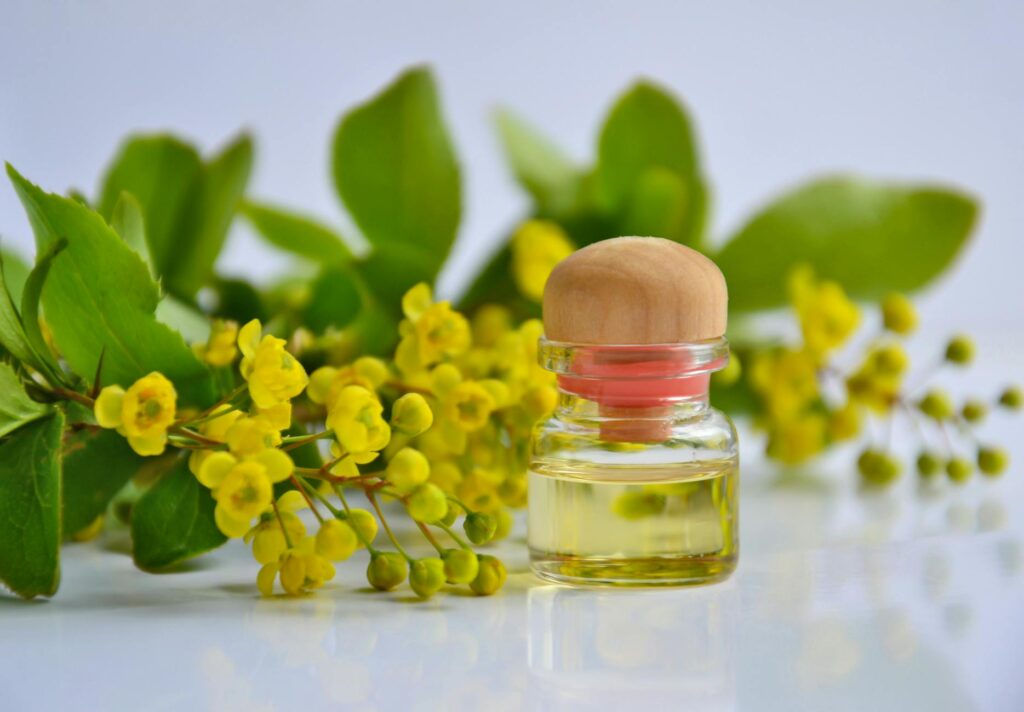
Properties and Uses of Hazelnut Oil
Introduction
Hazelnut oil, derived from the nuts of the hazel tree (Corylus avellana), has been cherished for its rich flavor and numerous health benefits. This versatile oil is not only a staple in culinary applications but also boasts a variety of uses in cosmetics, skincare, and aromatherapy. Its unique composition and properties make it a valuable addition to any holistic health regimen. This article delves into the characteristics, benefits, and applications of hazelnut oil, providing a comprehensive guide for those interested in exploring its potential.
What Is Hazelnut Oil?
Hazelnut oil is a cold-pressed oil extracted from the seeds of the hazelnut. It is characterized by its light golden color and a mild, nutty aroma. The cold-pressing method preserves the oil’s natural properties, allowing it to retain its nutritional benefits and flavor profile. Hazelnut oil is rich in monounsaturated fatty acids, particularly oleic acid, and is also a source of vitamins E and A, as well as essential fatty acids. These attributes contribute to its popularity in culinary arts, cosmetics, and holistic practices.
Key Benefits and Properties
Hazelnut oil is renowned for its diverse range of benefits and properties, making it a favored choice in various applications:
Nutritional Profile
- Fatty Acids: High in monounsaturated fats, particularly oleic acid, which is known to support heart health.
- Vitamins: Contains significant levels of vitamin E, an antioxidant that helps protect cells from oxidative stress.
- Minerals: Offers trace amounts of essential minerals like magnesium and potassium, contributing to overall health.
- Moisturizing: Hazelnut oil is easily absorbed into the skin, making it an excellent moisturizer without leaving a greasy residue.
- Anti-inflammatory: Its anti-inflammatory properties can help soothe irritated skin and reduce redness.
- Non-comedogenic: This oil is unlikely to clog pores, making it suitable for various skin types, including oily and acne-prone skin.
- Nourishing: Hazelnut oil can enhance hair health by providing essential nutrients, promoting shine, and reducing dryness.
- Scalp Health: Its moisturizing properties can alleviate dryness and flakiness of the scalp.
- Flavor Enhancement: In cooking, hazelnut oil adds a rich, nutty flavor to salads, sauces, and desserts.
- High Smoke Point: With a smoke point of approximately 430°F (220°C), it is suitable for sautéing and frying.
- Dressings and Marinades: Used in salad dressings to impart a unique flavor.
- Baking: Incorporates well in baked goods, adding moisture and richness.
- Drizzling: Often drizzled over dishes as a finishing oil to enhance flavor.
- Moisturizers: Used in lotions and creams to hydrate and nourish the skin.
- Facial Oils: Commonly blended with other essential oils for facial serums.
- Massage Oil: Effective as a base oil for massages due to its smooth texture.
- Conditioners: Added to hair conditioners and masks to improve texture and shine.
- Styling Products: Utilized in styling products to tame frizz and enhance manageability.
- Dilution of Essential Oils: When mixing essential oils for topical application, hazelnut oil can dilute potent oils, making them safe for skin contact.
- Aromatherapy Massages: Combined with essential oils, it can enhance the benefits of aromatherapy during massage sessions.
- Inhalation Blends: While hazelnut oil is not typically used for diffusion, it can be part of personalized inhalation blends when used topically.
- Allergies: Individuals with nut allergies should avoid hazelnut oil, as it may trigger allergic reactions.
- Patch Test: It is advisable to perform a patch test before using hazelnut oil on the skin to determine sensitivity.
- Consultation: If you are pregnant, nursing, or have underlying health conditions, consulting with a healthcare professional before incorporating new oils into your routine is recommended.
- Dark, Cool Place: Store hazelnut oil in a cool, dark location away from direct sunlight and heat.
- Sealed Containers: Keep the oil in a tightly sealed container to prevent oxidation.
- Shelf Life: When stored correctly, hazelnut oil has a shelf life of about 12 months. However, it is advisable to check for any off odors or changes in appearance before use, as these can indicate spoilage.
Skin Benefits
Hair Care
Culinary Uses
Common Uses
Hazelnut oil’s versatility allows it to be utilized in various domains:
Culinary Applications
Skincare
Hair Care
Aromatherapy Applications
In aromatherapy, hazelnut oil serves as a carrier oil, facilitating the application of essential oils. Its subtle scent and beneficial properties make it an ideal base for various blends. Some common uses include:
Safety Considerations
While hazelnut oil is generally considered safe for most individuals, it is essential to note a few safety considerations:
Storage and Shelf Life
To maintain the quality and freshness of hazelnut oil, proper storage is crucial:
Frequently Asked Questions
1. Can hazelnut oil be used for cooking?
Yes, hazelnut oil is suitable for cooking and can be used in dressings, marinades, and high-heat cooking methods due to its high smoke point.
2. Is hazelnut oil beneficial for acne-prone skin?
Hazelnut oil is non-comedogenic, meaning it is unlikely to clog pores. Its moisturizing properties can help balance oil production in acne-prone skin.
3. Can I use hazelnut oil in my hair care routine?
Absolutely! Hazelnut oil can enhance hair health, providing moisture and shine. It can be used as a leave-in conditioner or added to hair masks.
4. How do I incorporate hazelnut oil into my skincare routine?
Hazelnut oil can be applied directly to the skin as a moisturizer or combined with essential oils to create custom facial serums.
5. Is hazelnut oil safe for sensitive skin?
While many people find hazelnut oil gentle and soothing for sensitive skin, it is always best to perform a patch test to ensure compatibility.
Conclusion
Hazelnut oil is a remarkable oil with a wealth of benefits and applications across culinary, skincare, and aromatherapy domains. Its unique properties make it versatile, allowing individuals to incorporate it into various aspects of their health and wellness routines. Whether enjoyed as a flavorful addition to dishes or utilized for its nourishing qualities in skincare, hazelnut oil stands out as an essential ingredient worth exploring. By understanding its properties and uses, individuals can make informed decisions and experience the benefits this oil has to offer.