
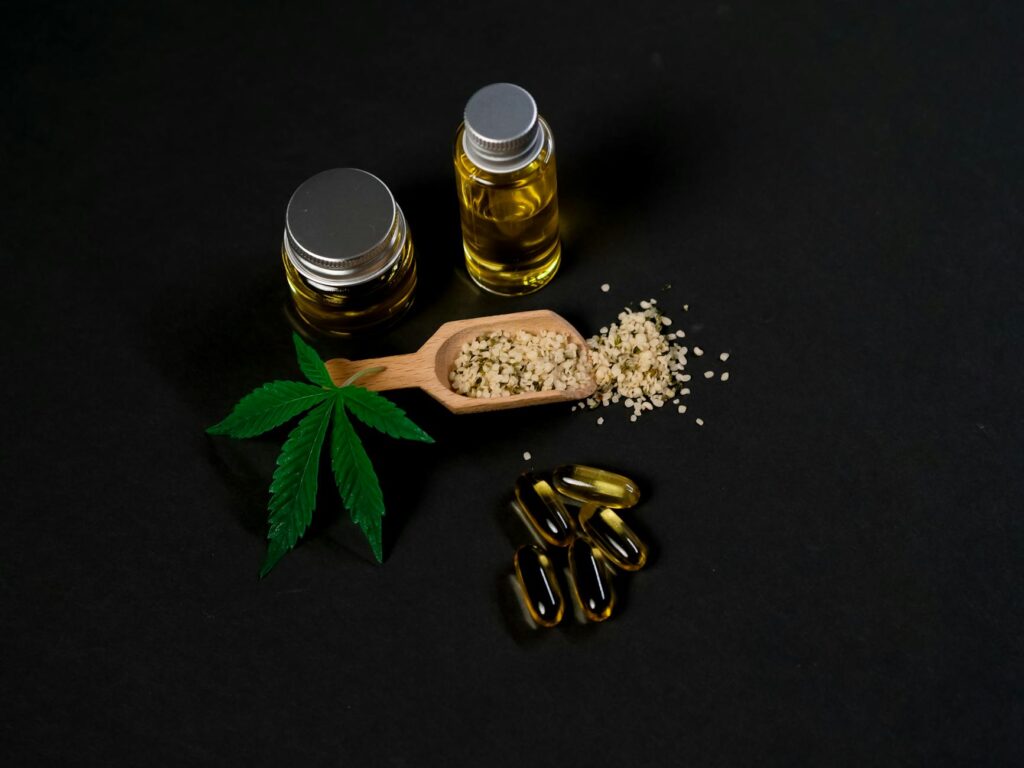
Properties and Uses of Hemp Seed Oil
Introduction
Hemp seed oil, derived from the seeds of the hemp plant (Cannabis sativa), has gained recognition in recent years for its numerous benefits and versatile applications. Unlike its more widely known counterpart, CBD oil, which is extracted from the flowers and leaves of the hemp plant, hemp seed oil is cold-pressed from the seeds, ensuring that it retains a rich profile of nutrients. This article delves into the properties, benefits, and various uses of hemp seed oil, providing a comprehensive overview of this remarkable oil.
What Is Hemp Seed Oil?
Hemp seed oil is a vegetable oil made from the seeds of the hemp plant, which belongs to the Cannabaceae family. The oil is known for its light green color and nutty flavor and is often used in cooking, skincare products, and as a dietary supplement. Unlike other oils, hemp seed oil does not contain significant levels of tetrahydrocannabinol (THC), the psychoactive compound found in marijuana, making it legal in many regions around the world.
The process of extracting hemp seed oil typically involves cold-pressing the seeds, which helps preserve the oil’s beneficial properties. The final product is rich in essential fatty acids, vitamins, and minerals, making it a valuable addition to both diet and skincare.
Key Benefits and Properties
Nutritional Profile
Hemp seed oil is celebrated for its exceptional nutritional profile. It is particularly high in:
- Essential Fatty Acids (EFAs): Hemp seed oil contains a balanced ratio of omega-3 and omega-6 fatty acids, which are crucial for maintaining heart health and reducing inflammation. The oil typically contains about 80% polyunsaturated fatty acids.
- Gamma-Linolenic Acid (GLA): This omega-6 fatty acid is known for its anti-inflammatory properties and is believed to support skin health.
- Vitamins and Minerals: Hemp seed oil is also a good source of vitamin E, magnesium, potassium, and iron, contributing to overall health and wellness.
- Lavender: Known for its calming properties, lavender essential oil can enhance relaxation when mixed with hemp seed oil for massage or topical application.
- Tea Tree: When combined with hemp seed oil, tea tree oil can be effective for skincare routines targeting blemishes or irritation.
- Peppermint: This invigorating oil can provide a refreshing aroma when used in conjunction with hemp seed oil for topical applications.
- Allergic Reactions: Some individuals may be allergic to hemp seeds or hemp seed oil. It is advisable to perform a patch test when using it on the skin for the first time.
- Interactions with Medications: Although hemp seed oil is not known to interact with most medications, it is wise to consult a healthcare professional if you are taking any medications or have underlying health conditions.
- Quality: The benefits of hemp seed oil can vary depending on its quality. It is recommended to choose cold-pressed, organic products to ensure the highest nutritional value.
- Cool, Dark Place: Store the oil in a cool, dark place, away from direct sunlight and heat sources. A refrigerator is an ideal location for longer storage periods.
- Tightly Sealed Container: Ensure that the oil is kept in a tightly sealed container to prevent oxidation, which can lead to rancidity.
Antioxidant Properties
Hemp seed oil is rich in antioxidants, which help combat oxidative stress in the body. Antioxidants are compounds that neutralize free radicals, potentially reducing the risk of chronic diseases and promoting skin health.
Moisturizing Benefits
The oil is an effective moisturizer for both skin and hair. Its composition allows it to penetrate deeply, hydrating without leaving a greasy residue. This makes it suitable for various skin types, including oily and sensitive skin.
Anti-Inflammatory Effects
Research suggests that the fatty acids in hemp seed oil may help reduce inflammation in the body. This property can be beneficial for various conditions, although further research is needed to fully understand its effects.
Common Uses
Culinary Uses
Hemp seed oil is often used in cooking due to its unique flavor profile and health benefits. It can be drizzled over salads, incorporated into smoothies, or used as a base for salad dressings. However, it is important to note that hemp seed oil has a low smoke point, making it unsuitable for high-heat cooking methods like frying.
Skincare Products
Given its moisturizing and nourishing properties, hemp seed oil is a popular ingredient in skincare products. It can be found in lotions, creams, soaps, and hair care formulations. It is often used to soothe dry or irritated skin and may help improve the overall appearance of the skin.
Dietary Supplements
Hemp seed oil is available in capsule form as a dietary supplement. It is often consumed to support cardiovascular health and provide essential fatty acids that may be lacking in the diet.
Aromatherapy Applications
While hemp seed oil is not typically used as an essential oil in aromatherapy, it can serve as a carrier oil for diluting essential oils. This allows for the safe application of stronger oils on the skin. Its light texture and moisturizing properties make it an ideal choice for massage oils or personal care products.
Some essential oils that blend well with hemp seed oil include:
Safety Considerations
Hemp seed oil is generally considered safe for most individuals. However, it is important to consider the following:
Storage and Shelf Life
To maximize the shelf life and quality of hemp seed oil, proper storage is essential:
The shelf life of hemp seed oil is generally around 6 to 12 months, depending on storage conditions. Always check for an off smell or appearance before use.
Frequently Asked Questions
Is hemp seed oil the same as CBD oil?
No, hemp seed oil is extracted from the seeds of the hemp plant, while CBD oil is derived from the flowers and leaves. Hemp seed oil contains negligible amounts of cannabinoids, including CBD.
Can hemp seed oil be used on all skin types?
Hemp seed oil is versatile and suitable for most skin types, including oily and sensitive skin. However, individuals with specific skin conditions should conduct a patch test first.
How can I incorporate hemp seed oil into my diet?
Hemp seed oil can be used as a salad dressing, added to smoothies, or drizzled over cooked dishes. Avoid using it for high-heat cooking methods, as it has a low smoke point.
Are there any side effects of using hemp seed oil?
Hemp seed oil is generally safe, but allergic reactions may occur in some individuals. It is advisable to consult a healthcare professional if you have concerns or are taking medications.
Where can I purchase hemp seed oil?
Hemp seed oil is widely available in health food stores, online retailers, and specialty shops. Look for cold-pressed, organic products to ensure quality.
Conclusion
Hemp seed oil is a remarkable oil with a diverse range of applications, from culinary uses to skincare. Its rich nutritional profile, antioxidant properties, and moisturizing benefits make it a valuable addition to various products. Whether you are looking to enhance your diet, nourish your skin, or explore its potential in aromatherapy, hemp seed oil offers a wealth of benefits worthy of consideration.