
Properties and Uses of Herbal Extracts
Introduction
Herbal extracts have been utilized for centuries across various cultures, celebrated for their therapeutic properties and versatility. With the rise of natural remedies and holistic wellness, interest in herbal extracts has surged, leading to a deeper exploration of their benefits and applications. This article aims to provide a comprehensive overview of herbal extracts, elucidating their properties, uses, and safe practices.
What Are Herbal Extracts?
Herbal extracts are concentrated forms of plant materials, obtained through various extraction methods that capture the beneficial compounds found in herbs. These extracts can be derived from different parts of the plant, including leaves, flowers, stems, and roots. The extraction process often involves solvents such as water, alcohol, or oil to dissolve the active constituents, resulting in a potent liquid that retains the plant’s natural essence.
Types of Herbal Extracts
1. Tinctures: Alcohol-based extracts that typically have a long shelf life and high potency.
2. Infusions: Water-based extracts made by steeping herbs in hot water, similar to brewing tea.
3. Decoctions: Stronger water-based extracts made by boiling plant materials.
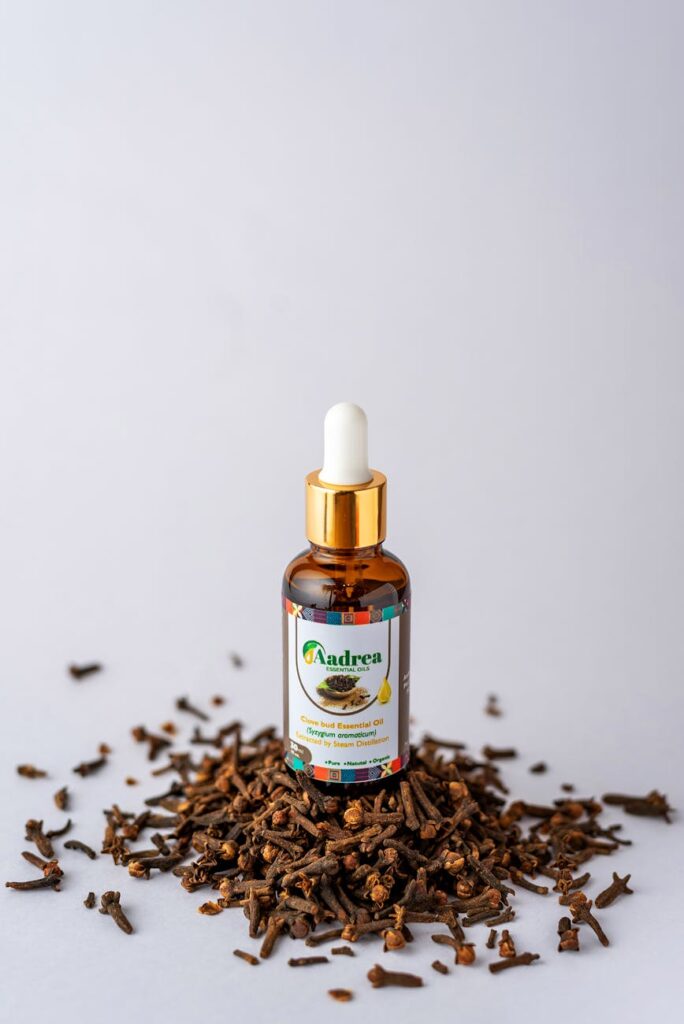
4. Essential Oils: Highly concentrated volatile oils extracted through distillation or cold pressing, often used in aromatherapy.
Key Benefits and Properties
Herbal extracts are renowned for their diverse range of benefits, which stem from their unique phytochemical profiles. The primary components include:
- Alkaloids: Organic compounds that can have a significant effect on the nervous system and are often used for their stimulant or sedative properties.
- Flavonoids: Antioxidant-rich compounds that contribute to the color and flavor of plants, offering potential health benefits.
- Terpenes: Aromatic compounds that provide the characteristic scent of many plants and may possess anti-inflammatory properties.
- Glycosides: Compounds that can have various effects on the body, often enhancing the efficacy of other plant constituents.
- Antioxidant Properties: Many herbal extracts are rich in antioxidants that combat oxidative stress in the body.
- Anti-Inflammatory Effects: Certain extracts may help reduce inflammation, making them popular in natural wellness practices.
- Mood Enhancement: Some herbal extracts are known to support emotional well-being and may help in alleviating stress and anxiety.
- Digestive Support: Many herbs are traditionally used to support digestive health and may promote overall gut function.
- Lavender: Known for its calming properties, often used to promote relaxation and sleep.
- Peppermint: Invigorating and refreshing, commonly used to enhance focus and clarity.
- Eucalyptus: Often associated with respiratory support, providing a refreshing and cleansing scent.
- Cool, Dark Place: Store extracts away from direct sunlight and heat to prevent degradation.
- Airtight Containers: Use dark glass bottles to minimize light exposure and oxidation.
- Expiry Dates: Most herbal extracts have a shelf life of 1-3 years, depending on the type and storage conditions.
General Benefits
Common Uses
Herbal extracts have a wide array of applications, spanning culinary, cosmetic, and therapeutic domains. Here are some common uses:
Culinary Uses
Herbal extracts can enhance flavor in various dishes and beverages. For instance, extracts like vanilla or peppermint are popular in baking, while herbal tinctures can serve as flavoring agents in cocktails.
Cosmetic Uses
In skincare, herbal extracts are often incorporated into formulations for their rejuvenating properties. Ingredients like chamomile, calendula, and lavender are common in lotions, serums, and creams, offering soothing and hydrating benefits.
Household Uses
Certain herbal extracts can be used in cleaning products or as natural insect repellents. For example, tea tree oil is frequently used for its antimicrobial properties.
Aromatherapy Applications
Aromatherapy, the practice of using essential oils and other aromatic plant compounds for therapeutic purposes, relies heavily on herbal extracts. Essential oils derived from herbs can have profound effects on mood, relaxation, and mental clarity.
How Aromatherapy Works
The mechanism of aromatherapy involves inhaling the aroma of essential oils, which can influence the limbic system, the part of the brain that controls emotions and memories. Different scents can produce varying effects:
Methods of Application
1. Diffusion: Using an essential oil diffuser to disperse the aroma throughout a room.
2. Inhalation: Directly inhaling essential oils from the bottle or a cotton ball.
3. Topical Application: Diluting essential oils with a carrier oil and applying them to the skin.
Safety Considerations
When using herbal extracts, it is essential to follow safety guidelines to ensure their effective and safe application.
Dilution
Essential oils are highly concentrated and must be diluted before topical application. A common dilution ratio is 1-2 drops of essential oil per teaspoon of carrier oil.
Allergies and Sensitivities
Individuals should conduct a patch test to identify any potential allergic reactions before widespread use. If irritation occurs, discontinue use immediately.
Contraindications
Some herbal extracts may interact with medications or conditions. Always consult with a knowledgeable practitioner or conduct thorough research before use.
Storage and Shelf Life
Proper storage is crucial to maintaining the potency and integrity of herbal extracts. Follow these guidelines:
General Tips
Frequently Asked Questions
Are herbal extracts safe for everyone?
While many herbal extracts are generally considered safe, individual reactions can vary. Pregnant or nursing individuals, children, and those with specific health conditions should exercise caution and consult a healthcare professional.
Can herbal extracts be ingested?
Certain herbal extracts, especially tinctures and culinary extracts, are safe for ingestion. However, essential oils should not be ingested unless specifically labeled as safe for consumption.
How do I choose the right herbal extract?
Selecting the right herbal extract depends on individual needs and preferences. Consider factors such as the specific properties of the herb, desired effects, and method of application.
Where can I purchase herbal extracts?
Herbal extracts can be found in health food stores, specialty shops, and online retailers. It is essential to choose high-quality products from reputable sources to ensure safety and efficacy.
Conclusion
Herbal extracts offer a wealth of benefits and applications, making them invaluable in the realms of cooking, beauty, and wellness. Understanding their properties, uses, and safety considerations can empower individuals to incorporate these natural remedies into their daily lives. As interest in herbal extracts continues to grow, ongoing research and education will further highlight their potential in promoting holistic well-being.