
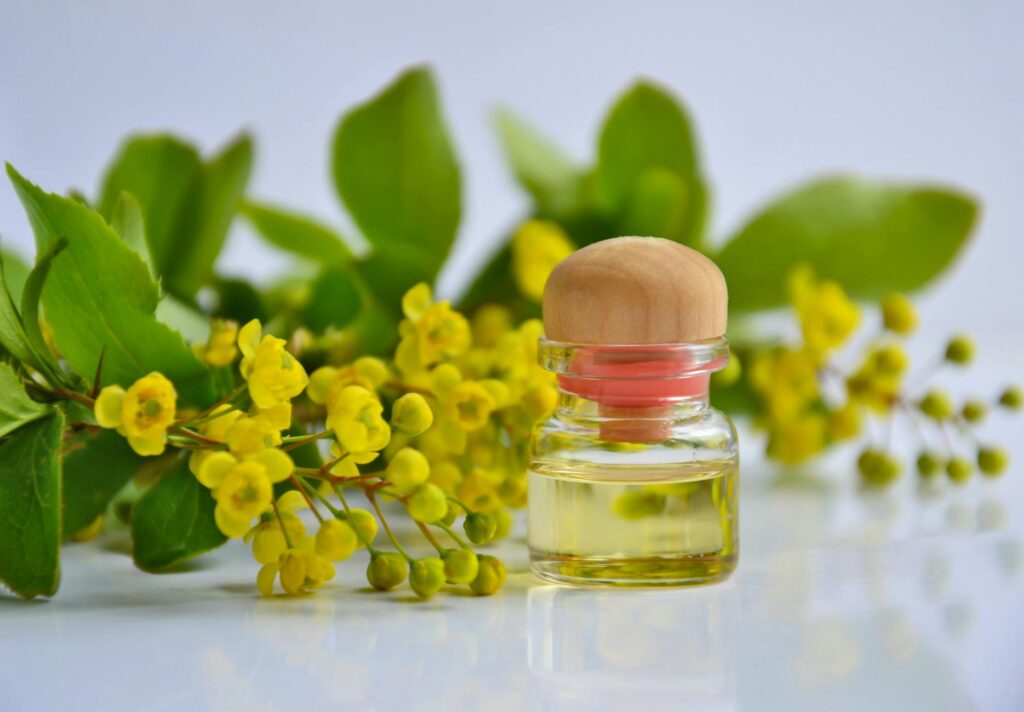
Properties and Uses of Herbal Infused Oils
Introduction
Herbal infused oils have garnered considerable interest for their versatility and potential benefits in various applications, from culinary uses to skincare and aromatherapy. These oils, created by infusing carrier oils with the essences of herbs, capture the flavors, fragrances, and therapeutic properties of the botanicals. This article explores what herbal infused oils are, their key benefits, common uses, and safety considerations.
What Is Herbal Infused Oils?
Herbal infused oils are oils that have been infused with the properties of herbs through a process that extracts the active compounds from the plant material. The carrier oil acts as a solvent, drawing out essential oils, colors, and nutrients from the herbs. Common carrier oils used in herbal infusions include olive oil, almond oil, jojoba oil, and grapeseed oil.
The infusion process can take place through a variety of methods, including:
1. Cold Infusion: This method involves placing dried herbs in a carrier oil and letting them sit in a warm, dark place for several weeks. The mixture is then strained to remove the plant material.
2. Hot Infusion: This quicker method involves gently heating the carrier oil with the herbs. Care must be taken to avoid overheating, as high temperatures can degrade the oil and herb properties.
3. Solar Infusion: In this method, jars filled with herbs and oil are placed in sunlight for several weeks, allowing the warmth of the sun to facilitate the infusion.
The resulting herbal infused oil can vary in color and aroma, reflecting the characteristics of the herbs used.
Key Benefits and Properties
The benefits of herbal infused oils stem from both the properties of the carrier oil and the herbs used in the infusion. Here are some notable benefits:
1. Nutrient-Rich: Carrier oils often contain beneficial fatty acids, vitamins, and antioxidants, which can enhance the properties of the infused oil.
2. Therapeutic Properties: Depending on the herbs used, these oils may offer various properties, such as anti-inflammatory, soothing, or antiseptic qualities.
3. Flavor Enhancement: Herbal infused oils can enhance the flavor profile of culinary dishes, making them a favorite among chefs and home cooks alike.
4. Versatility: These oils can be used in cooking, massage, skincare, and as part of aromatherapy practices, making them valuable in multiple domains.
5. Natural Ingredients: Herbal infused oils are often free from synthetic additives and preservatives, appealing to those seeking natural alternatives.
Common Uses
Herbal infused oils have a wide range of applications that can be categorized into several areas:
Culinary Uses
- Dressing and Marinades: Infused oils can be used as salad dressings or marinades, adding depth and complexity to dishes.
- Cooking: They can enhance the flavor of sautéed vegetables, meats, or pasta, providing a unique twist to traditional recipes.
- Dipping Oils: Infused oils are often served as dipping oils for breads, enhancing the dining experience.
- Moisturizers: The nourishing properties of infused oils can help hydrate and soften the skin.
- Massage Oils: When used as massage oils, they can provide a soothing experience, especially if infused with calming herbs like lavender or chamomile.
- Hair Care: Certain infused oils can nourish the hair and scalp, promoting healthy hair growth.
- Topical Applications: Some infused oils can be applied to the skin for their soothing or calming effects, although it is essential to note that these applications should be approached with caution.
- 1 to 2 years: If stored properly in a cool, dark place.
- Refrigeration: Some infused oils may benefit from refrigeration, especially if they contain more perishable ingredients.
Skincare and Beauty
Medicinal and Therapeutic Uses
Aromatherapy Applications
Aromatherapy is the practice of using essential oils and plant extracts to promote physical and emotional well-being. Herbal infused oils can play a role in this practice, albeit differently than essential oils. While they may not have the same concentrated aroma as essential oils, they can still contribute to a calming environment.
Diffusion
Herbal infused oils can be added to diffusers to release their subtle fragrances into the air, creating a relaxing atmosphere. The specific herbs used can influence the ambiance, providing gentle notes that can uplift or calm.
Massage
Using herbal infused oils in massage can intensify the aromatherapy experience. For instance, an infused oil with rosemary may invigorate, while one with chamomile may promote relaxation.
Bathing
Adding herbal infused oils to bathwater can enhance the bathing experience, providing both aromatic pleasure and skin benefits. Oils infused with calming herbs like lavender or calendula can create a tranquil bathing environment.
Safety Considerations
While herbal infused oils are generally considered safe for use, there are essential safety precautions to keep in mind:
1. Allergies: Individuals should be aware of any allergies to specific herbs or carrier oils before using infused oils.
2. Skin Sensitivity: Perform a patch test before applying any infused oil topically. Sensitive skin may react to certain herbs.
3. Quality of Ingredients: Use high-quality, food-grade carrier oils and dried herbs to ensure the safety and efficacy of the infusion.
4. Storage: Proper storage can prevent spoilage. Keep infused oils in dark glass bottles, away from light and heat.
5. Not for Medicinal Use: Herbal infused oils should not be used as substitutes for medical treatments or advice.
Storage and Shelf Life
The shelf life of herbal infused oils largely depends on the carrier oil used, the herbs infused, and the storage conditions. Generally, infused oils can last:
Signs of spoilage include off-smells, cloudiness, or changes in color. If any of these symptoms appear, it is advisable to discard the oil.
Frequently Asked Questions
How long does it take to make herbal infused oils?
The time taken to create herbal infused oils can vary. Cold infusion typically requires 4 to 6 weeks, while hot infusion can be completed in a few hours. Solar infusion also requires several weeks.
Can I use fresh herbs for infusion?
Fresh herbs can be used, but they contain more moisture, which may lead to spoilage. It is generally recommended to use dried herbs for longer shelf life.
Can herbal infused oils be used in cooking?
Yes, many herbal infused oils are suitable for culinary uses. However, ensure that the herbs used are safe for consumption and that the oil is food-grade.
Are there any herbs to avoid in infused oils?
Certain herbs can be irritating or harmful when used topically. Always research the herbs and their properties, and consult reliable resources for guidance.
How can I enhance the effects of herbal infused oils?
Combining different infused oils or using them in conjunction with other natural products, such as essential oils or carrier oils, can enhance their effects.
Conclusion
Herbal infused oils represent a harmonious blend of nature and utility. Their diverse applications in cooking, skincare, and aromatherapy make them valuable additions to both personal care routines and culinary practices. By understanding their properties and uses, individuals can harness the benefits of these oils while enjoying the rich aromas and flavors they bring to daily life. Always prioritize safety and quality to ensure a rewarding experience with herbal infused oils.