
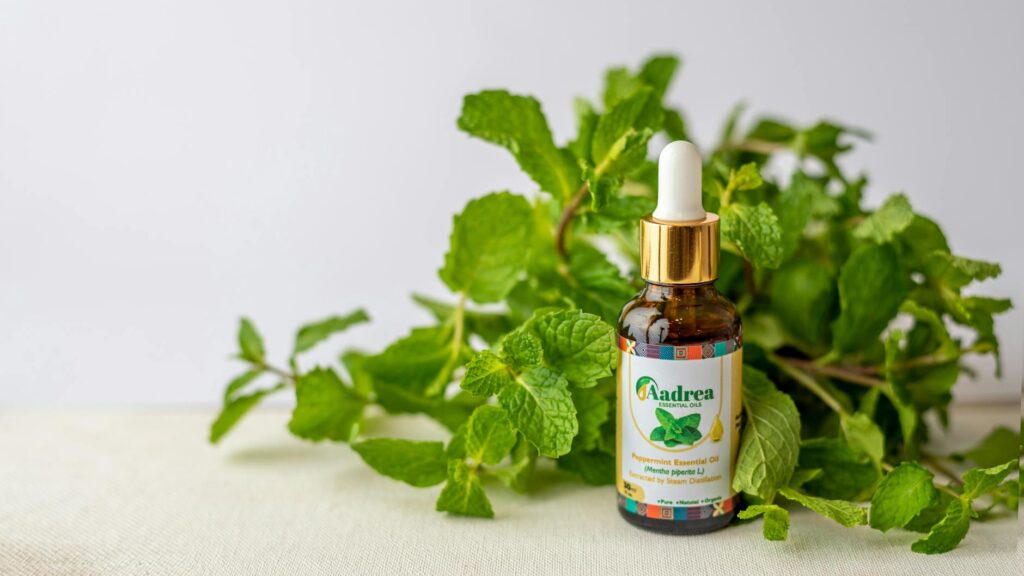
Properties and Uses of Herbal Infusions
Introduction
Herbal infusions have gained popularity in recent years, becoming a staple in wellness routines and holistic practices around the world. These aromatic brews, created by steeping various herbs in hot water, serve as a bridge between culinary delights and therapeutic applications. The versatility of herbal infusions allows for a wide range of uses, from promoting relaxation to enhancing flavor in dishes. This article delves into the properties and uses of herbal infusions, providing insights into their benefits, applications in aromatherapy, and safety considerations.
What Is Herbal Infusions?
Herbal infusions are created by steeping dried or fresh herbs in hot water. This process allows the beneficial compounds found in the plant material to be extracted into the water, resulting in a flavorful and aromatic liquid. Unlike herbal teas, which are typically made from the leaves of the Camellia sinensis plant, herbal infusions can include a variety of plant parts, such as flowers, seeds, roots, and bark. The infusion process can vary in duration, temperature, and herb-to-water ratio, influencing the final flavor and potency of the infusion.
Key Benefits and Properties
Herbal infusions boast a myriad of properties that contribute to their widespread use. Some of the key benefits include:
1. Nutrient-Rich: Herbal infusions can be rich in vitamins, minerals, and antioxidants. For instance, infusions made from nettle or dandelion can provide a good source of vitamins A, C, and K, along with essential minerals like iron and calcium.
2. Flavor Variety: The diverse range of herbs available allows for an extensive palette of flavors, from the floral notes of chamomile to the earthy tones of rooibos. This makes herbal infusions appealing not just for their health benefits but also for their culinary potential.
3. Hydration: Incorporating herbal infusions into one’s daily routine can contribute to overall hydration, which is crucial for maintaining bodily functions.
4. Holistic Wellness: Many individuals use herbal infusions for their calming, invigorating, or soothing effects, making them a popular choice in holistic health practices.
5. Digestive Aid: Certain herbal infusions, such as peppermint or ginger, may support digestive health by relieving discomfort or bloating.
Common Uses
Herbal infusions can be enjoyed in various ways, catering to different preferences and needs:
1. Beverages: The most common use of herbal infusions is as a beverage. They can be consumed hot or cold and sweetened or unsweetened, depending on personal preference. Popular options include chamomile for relaxation, peppermint for digestion, and hibiscus for a refreshing taste.
2. Culinary Applications: Herbal infusions can be used in cooking to enhance the flavor of soups, stews, and sauces. They can also serve as a base for salad dressings or marinades, adding depth and complexity to dishes.
3. Baths and Skin Care: Herbal infusions can be added to bathwater for a soothing experience. Infusions with skin-nourishing properties, such as calendula or lavender, are often used in homemade skincare products.
4. Household Use: Certain herbal infusions, such as rosemary or thyme, can be utilized in natural cleaning solutions. Their antimicrobial properties can help in disinfecting surfaces and imparting a pleasant aroma.
Aromatherapy Applications
In the realm of aromatherapy, herbal infusions can play a significant role, often serving as a base for essential oils or as standalone remedies. Here are some applications:
1. Inhalation: Steaming herbal infusions can release aromatic compounds that may promote relaxation and stress relief. Inhalation of infused steam is commonly used for its calming effects, particularly with herbs like lavender and eucalyptus.
2. Diffusion: Although herbal infusions are typically not diffused in the same manner as essential oils, they can be used in potpourri blends or as a natural room spray when combined with alcohol or vinegar.
3. Massage Oils: Herbal infusions can be infused into carrier oils, creating a fragrant and therapeutic oil for massage. For instance, infused olive oil with herbs like calendula or arnica may promote relaxation and provide skin benefits.
4. Compresses: Herbal infusions can be soaked into cloths and applied as warm or cold compresses. This method is often used to alleviate tension or soothe sore muscles, utilizing the properties of the infused herbs.
Safety Considerations
While herbal infusions are generally considered safe, there are some important considerations to keep in mind:
1. Quality of Herbs: Always use high-quality, organic herbs to minimize exposure to pesticides or contaminants. It is advisable to source herbs from reputable suppliers.
2. Allergic Reactions: Some individuals may experience allergic reactions to certain herbs. Prior to extensive use, it is recommended to conduct a patch test or start with small amounts.
3. Pregnancy and Nursing: Certain herbs may not be safe for pregnant or nursing women. It is essential to consult with a qualified professional before using herbal infusions during these periods.
4. Interactions with Medications: Herbal infusions can interact with certain medications, potentially altering their efficacy. Always consult a healthcare provider if you are taking medications and considering the use of herbal infusions.
5. Dosage: While herbal infusions are generally safe, moderation is key. Excessive consumption of certain herbs can lead to adverse effects.
Storage and Shelf Life
Proper storage is vital to maintain the quality and potency of herbal infusions:
1. Storage Containers: Store herbal infusions in glass or ceramic containers, avoiding plastic, which can leach chemicals over time. Amber or dark-colored bottles can help protect the infusion from light degradation.
2. Cool Environment: Keep the infusions in a cool, dark place, away from direct sunlight and heat sources.
3. Refrigeration: If you prepare large batches of herbal infusions, consider refrigerating them. Most infusions can last for up to one week when stored in the refrigerator.
4. Freezing: For longer storage, herbal infusions can be frozen in ice cube trays. This allows for easy access and use later without compromising quality.
5. Shelf Life: The shelf life of herbal infusions depends on the herbs used and storage conditions. Generally, it is advisable to use them within a few days to a week for optimal flavor and benefits.
Frequently Asked Questions
1. Are herbal infusions the same as herbal teas?
While the terms are often used interchangeably, herbal infusions typically refer to the steeping of various plant parts in hot water, whereas herbal teas are often made from leaves, flowers, or fruits of specific plants.
2. Can I combine different herbs in one infusion?
Yes, blending various herbs can create unique flavors and therapeutic effects. However, it’s advisable to research the properties of each herb to ensure compatibility.
3. How do I prepare an herbal infusion?
To prepare an herbal infusion, add 1-2 teaspoons of dried herbs or a handful of fresh herbs to a cup of hot water. Steep for 5-15 minutes, depending on the desired strength, then strain and enjoy.
4. Can children consume herbal infusions?
Many herbal infusions are safe for children, but it is essential to choose age-appropriate herbs and consult a healthcare professional for guidance.
5. What herbs are best for beginners?
For those new to herbal infusions, popular options include chamomile, peppermint, and ginger, as they are generally well-tolerated and have pleasant flavors.
Conclusion
Herbal infusions represent a harmonious blend of flavor, wellness, and tradition. Their versatility allows them to be enjoyed in various forms, from beverages to culinary applications and beyond. Understanding their benefits, uses, and safety considerations can enhance one’s appreciation for these natural brews. Whether you seek relaxation, culinary exploration, or holistic wellness, herbal infusions offer a delightful way to connect with nature’s bounty.