
Properties and Uses of Lemon Myrtle Oil
Introduction
Lemon Myrtle oil has gained significant attention in the realm of essential oils and aromatherapy, primarily due to its invigorating scent and numerous beneficial properties. Extracted from the leaves of the Backhousia citriodora, a tree native to Australia, this essential oil is celebrated for its fresh, lemony aroma and its versatility in various applications. In this article, we will delve into the characteristics, benefits, and uses of Lemon Myrtle oil, providing a comprehensive overview for those interested in incorporating this unique oil into their wellness routines.
What Is Lemon Myrtle Oil?
Lemon Myrtle oil is derived from the leaves of the Lemon Myrtle tree, which can grow up to 10 meters tall and bears clusters of small white flowers. The oil is extracted through steam distillation, a method that ensures the retention of the plant’s aromatic compounds. The primary component of Lemon Myrtle oil is citral, which accounts for its refreshing scent and many of its therapeutic properties. The oil is pale yellow in color and has a light, sweet, and lemony fragrance that is often described as uplifting and invigorating.
Key Benefits and Properties
Lemon Myrtle oil boasts a variety of beneficial properties that make it popular in both personal care products and aromatherapy. Some of its key properties include:
1. Antimicrobial: Lemon Myrtle oil has demonstrated antimicrobial activity, making it a suitable option for natural cleaning products and skin care formulations. Its ability to inhibit the growth of certain bacteria and fungi is attributed to its high citral content.
2. Anti-inflammatory: The oil is thought to possess anti-inflammatory properties, which may help soothe irritation and redness when used topically.
3. Antioxidant: Rich in antioxidants, Lemon Myrtle oil may help combat oxidative stress in the body, potentially contributing to overall well-being.
4. Mood Enhancer: The uplifting aroma of Lemon Myrtle oil can help alleviate feelings of stress and anxiety, promoting a sense of calm and balance.
5. Digestive Support: Traditionally, Lemon Myrtle has been used to aid digestion and reduce feelings of discomfort after meals.
Common Uses
Lemon Myrtle oil is versatile and can be used in a variety of applications, including:
1. Household Cleaning: Due to its antimicrobial properties, Lemon Myrtle oil is often added to homemade cleaning solutions for its disinfecting qualities and pleasant scent.
2. Personal Care Products: The oil is frequently incorporated into skin care formulations, such as lotions, creams, and soaps, due to its refreshing fragrance and potential skin benefits.
3. Culinary Uses: Lemon Myrtle leaves can be used in cooking to impart a distinct lemon flavor to dishes. The essential oil can also be used in small amounts for flavoring, although caution should be exercised due to its potency.
4. Insect Repellent: The fresh scent of Lemon Myrtle oil can deter insects, making it a popular choice for natural insect repellent formulations.
Aromatherapy Applications
In aromatherapy, Lemon Myrtle oil is valued for its invigorating and uplifting properties. It can be used in various ways:
1. Diffusion: Adding a few drops of Lemon Myrtle oil to a diffuser can create an energizing atmosphere, making it suitable for spaces where concentration and focus are desired.
2. Topical Application: When diluted with a carrier oil, Lemon Myrtle oil can be applied to pulse points or areas of tension, potentially promoting relaxation and reducing stress.
3. Bath Additive: A few drops of Lemon Myrtle oil in a warm bath can create a refreshing and revitalizing experience, enhancing relaxation and mood.
4. Inhalation: Inhaling the scent directly from the bottle or from a cotton ball can provide a quick mood boost and help clear the mind.
Safety Considerations
While Lemon Myrtle oil is generally considered safe for use, there are a few important safety considerations to keep in mind:
1. Skin Sensitivity: As with any essential oil, a patch test is recommended before applying Lemon Myrtle oil topically. Some individuals may experience sensitivity or irritation, particularly those with sensitive skin.
2. Pregnancy and Nursing: Pregnant and nursing women should consult a qualified health professional before using Lemon Myrtle oil, as certain essential oils may not be recommended during these periods.
3. Children: Lemon Myrtle oil should be used with caution around young children. It is advisable to consult a healthcare provider for guidance on safe usage.
4. Dilution: Always dilute Lemon Myrtle oil with a carrier oil before applying it to the skin. A common dilution ratio is 1-2 drops of essential oil per teaspoon of carrier oil.
5. Ingestion: While some culinary applications exist, ingestion of essential oils should be approached with caution and only undertaken under the guidance of a qualified health professional.
Storage and Shelf Life
To preserve the quality and potency of Lemon Myrtle oil, proper storage practices are essential:
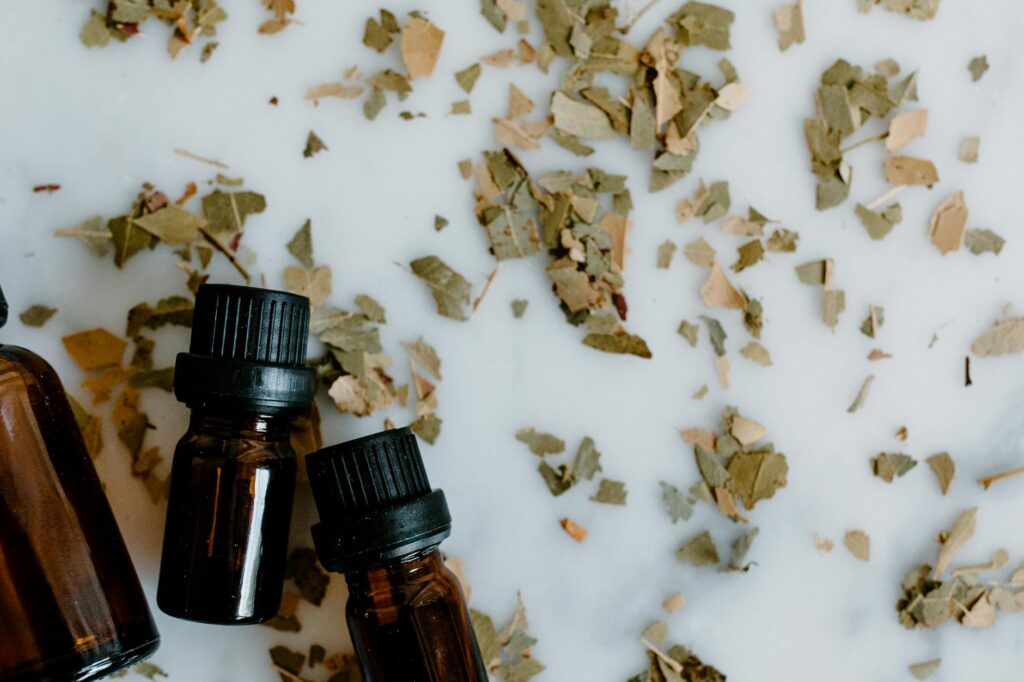
1. Container: Store Lemon Myrtle oil in a dark glass bottle to protect it from light, which can degrade the oil over time.
2. Temperature: Keep the oil in a cool, dark place away from direct sunlight and heat sources to prevent oxidation.
3. Shelf Life: When stored correctly, Lemon Myrtle oil can have a shelf life of 1-2 years. However, it is advisable to check for any changes in aroma, color, or consistency before use, as these may indicate degradation.
Frequently Asked Questions
1. Can Lemon Myrtle oil be used in cooking?
Yes, Lemon Myrtle oil can be used in cooking to impart a lemon flavor to dishes. However, due to its potency, it should be used sparingly.
2. Is Lemon Myrtle oil safe for children?
While Lemon Myrtle oil can be used around children, it is essential to dilute it properly and consult a healthcare provider for guidance on safe usage.
3. How does Lemon Myrtle oil compare to lemon essential oil?
Lemon Myrtle oil has a more complex aroma than lemon essential oil, with a richer, sweeter scent. Additionally, Lemon Myrtle oil is known for its higher citral content, which contributes to its unique properties.
4. Can I use Lemon Myrtle oil in my skincare routine?
Yes, Lemon Myrtle oil can be incorporated into skincare routines, but it should be diluted with a carrier oil before application to avoid skin irritation.
5. Where can I purchase Lemon Myrtle oil?
Lemon Myrtle oil is available at health food stores, specialty aromatherapy shops, and online retailers. It is essential to choose high-quality, pure essential oils for the best results.
—
In summary, Lemon Myrtle oil is a versatile and beneficial essential oil that can enhance both physical and emotional well-being. Its refreshing scent and powerful properties make it a valuable addition to personal care, household cleaning, and aromatherapy practices. By understanding its uses and safety considerations, individuals can effectively incorporate this unique oil into their daily lives.