
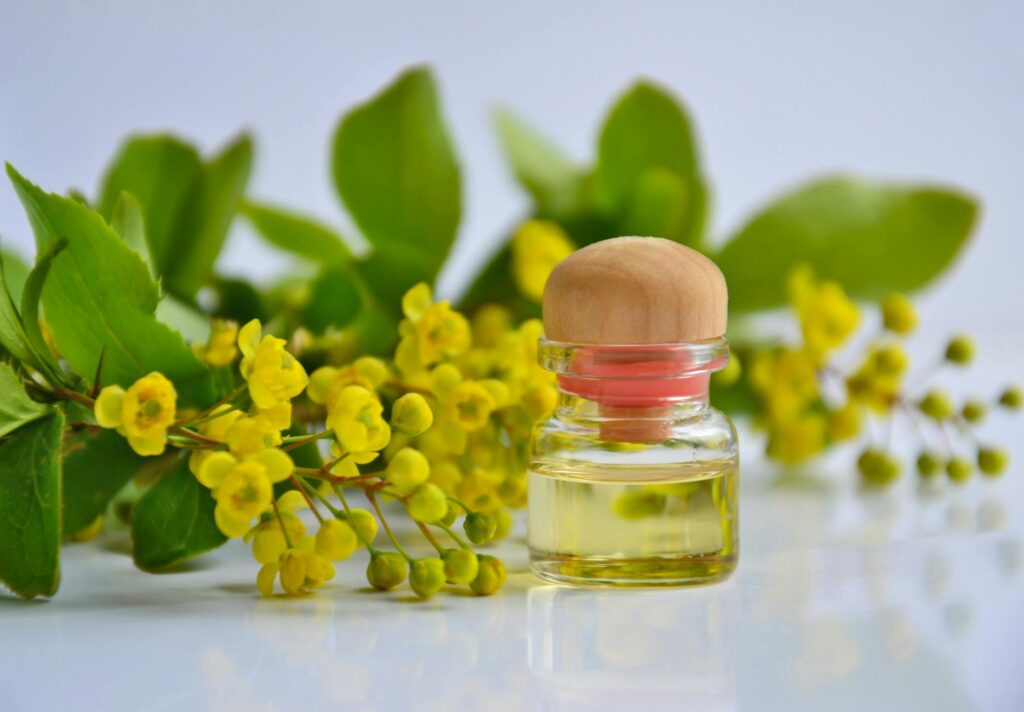
Properties and Uses of Moringa Oil
Introduction
Moringa oil, derived from the seeds of the Moringa oleifera tree, has gained considerable attention in recent years for its versatile applications and beneficial properties. Often referred to as “drumstick tree” or “miracle tree,” Moringa is native to parts of Africa and Asia. Its oil is not only prized for its nutritional content but also for its potential in cosmetics, personal care, and aromatherapy. This article explores the properties, uses, and applications of Moringa oil, shedding light on its significance in various domains.
What Is Moringa Oil?
Moringa oil, sometimes called Ben oil, is extracted from the seeds of the Moringa oleifera tree through a cold-pressing method. This process preserves the oil’s rich composition, which includes a variety of fatty acids, antioxidants, vitamins, and minerals. The oil is light, non-greasy, and has a slightly nutty aroma, making it suitable for various applications, from cooking to skincare.
Moringa oil is composed primarily of oleic acid (about 70%), a monounsaturated fatty acid known for its emollient properties. Additionally, it contains other fatty acids, such as palmitic, stearic, and linoleic acids, contributing to its unique profile.
Key Benefits and Properties
Moringa oil boasts a myriad of beneficial properties attributed to its rich composition:
1. Nutrient-Rich: Moringa oil is laden with vitamins A, C, and E, along with several B vitamins. These nutrients are essential for maintaining healthy skin and hair.
2. Antioxidant Properties: The presence of antioxidants such as quercetin, chlorogenic acid, and beta-carotene helps combat oxidative stress, potentially reducing the signs of aging.
3. Anti-Inflammatory: Moringa oil contains compounds that may help alleviate inflammation, making it beneficial for soothing irritated skin.
4. Moisturizing: Its high oleic acid content allows Moringa oil to penetrate deeply into the skin, providing lasting hydration without leaving a greasy residue.
5. Antimicrobial: Studies have suggested that Moringa oil possesses antimicrobial properties, which may help prevent infections when applied to minor cuts and abrasions.
6. Non-Comedogenic: Moringa oil has a low comedogenic rating, meaning it is unlikely to clog pores, making it suitable for various skin types, including oily and acne-prone skin.
Common Uses
Moringa oil has a wide range of applications across different domains:
Skincare
- Moisturizer: Due to its hydrating properties, Moringa oil is commonly used as a moisturizer, suitable for both face and body.
- Anti-Aging Treatments: Its antioxidant properties make it a popular choice in anti-aging formulations to help reduce the appearance of fine lines and wrinkles.
- Makeup Remover: The oil’s ability to dissolve makeup makes it an effective and gentle makeup remover.
- Massage Oil: Its smooth texture and moisturizing properties make it an excellent choice for massage therapy.
- Hair Conditioner: Moringa oil can be used as a natural conditioner to nourish and hydrate dry or damaged hair.
- Scalp Treatment: Its antimicrobial properties may help maintain a healthy scalp, reducing dandruff and irritation.
- Lavender: Known for its calming properties, when blended with Moringa oil, it can promote relaxation.
- Tea Tree: Its antiseptic qualities combined with Moringa oil can be beneficial for treating skin blemishes.
- Peppermint: This invigorating oil can be combined with Moringa oil for a refreshing massage blend.
Haircare
Culinary Uses
While Moringa oil is primarily known for its cosmetic applications, it is also used in cooking. Its high smoke point makes it suitable for sautéing, frying, and baking. Nutritionally, it adds a light, nutty flavor to dishes, while also providing a source of healthy fats.
Aromatherapy Applications
In aromatherapy, Moringa oil can be blended with essential oils to create calming and uplifting scents. Its light texture allows it to serve as a carrier oil, diluting essential oils for topical application or diffusion.
Blending with Essential Oils
Moringa oil pairs well with various essential oils, including:
Diffusion
While Moringa oil is not typically used for diffusion on its own, it can enhance the therapeutic properties of essential oils when used as a carrier.
Safety Considerations
Moringa oil is generally considered safe for topical use. However, as with any new product, a patch test is recommended to check for allergic reactions. Individuals with nut allergies should exercise caution, as Moringa oil may trigger sensitivities.
Storage
To maintain the quality of Moringa oil, it is essential to store it properly. Keep the oil in a cool, dark place, away from direct sunlight and heat. A tightly sealed container will help prolong its shelf life.
Shelf Life
Moringa oil typically has a shelf life of about 12 to 24 months, depending on storage conditions. Signs of rancidity, such as an off smell or a change in color, indicate that the oil should be discarded.
Frequently Asked Questions
1. Can I use Moringa oil on my face?
Yes, Moringa oil is suitable for facial application due to its moisturizing and non-comedogenic properties. It can be incorporated into your skincare routine as a moisturizer or treatment oil.
2. Is Moringa oil safe for cooking?
Yes, Moringa oil can be used for cooking due to its high smoke point. It adds nutritional value and a nutty flavor to various dishes.
3. How do I incorporate Moringa oil into my hair care routine?
You can use Moringa oil as a conditioning treatment by applying it directly to your hair and scalp. Leave it on for a period before washing it out, or use it as a regular conditioner after shampooing.
4. Can Moringa oil help with acne?
Moringa oil has anti-inflammatory and antimicrobial properties, making it a potential option for acne-prone skin. However, individual results may vary, and it is advisable to consult with a skincare professional if you have concerns.
5. How do I know if Moringa oil is of good quality?
Look for cold-pressed, organic Moringa oil that is packaged in dark glass bottles to protect it from light. Checking for third-party testing can also assure quality.
Conclusion
Moringa oil stands out as a versatile and beneficial oil, suitable for various applications ranging from skincare to culinary uses. Its rich nutrient profile and numerous beneficial properties make it a valuable addition to personal care routines and kitchens alike. Whether used alone or blended with other oils, Moringa oil continues to gain recognition for its potential in enhancing well-being and beauty.