
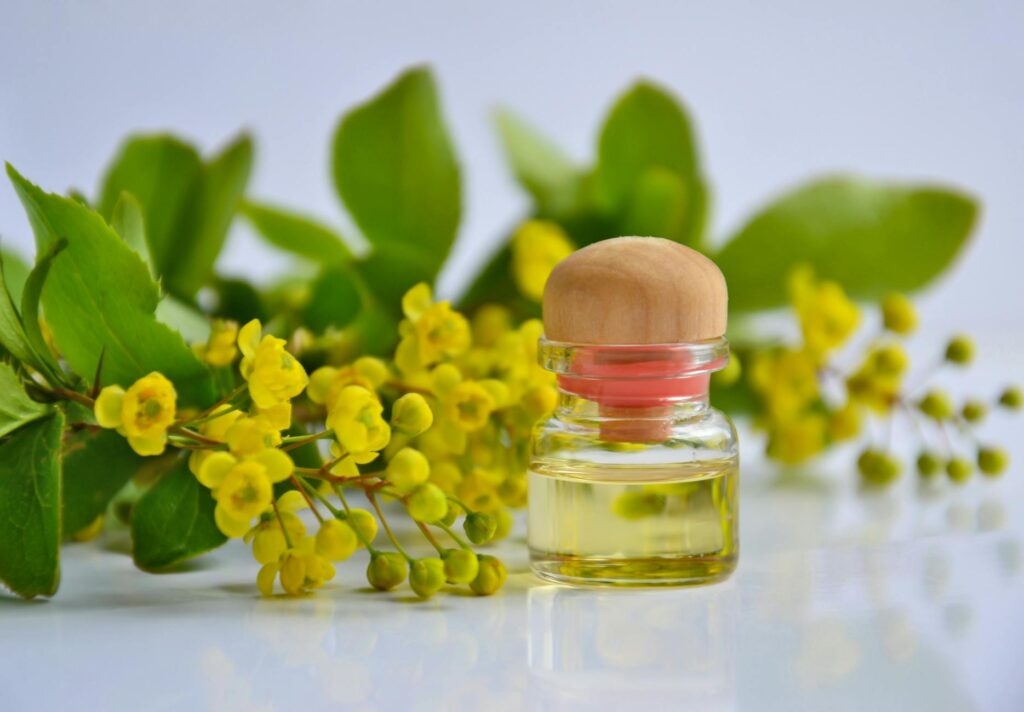
Properties and Uses of Neem Oil
Introduction
Neem oil, derived from the seeds of the neem tree (Azadirachta indica), has gained prominence in both traditional and modern practices due to its myriad benefits and versatile applications. Native to the Indian subcontinent, the neem tree has been revered for centuries in Ayurvedic medicine and is often referred to as the “village pharmacy.” This article aims to explore the properties and uses of neem oil, providing a comprehensive overview that highlights its significance in various fields, including personal care, agriculture, and aromatherapy.
What Is Neem Oil?
Neem oil is extracted from the seeds of the neem tree through a process of cold pressing or solvent extraction. The oil is thick and has a dark greenish-brown color, with a strong, pungent aroma. Rich in fatty acids, antioxidants, and a variety of bioactive compounds, neem oil is prized for its therapeutic properties. The primary active ingredients in neem oil include azadirachtin, nimbidin, and nimbin, which contribute to its efficacy in various applications.
Key Benefits and Properties
Neem oil is characterized by several beneficial properties that make it a popular choice in natural remedies and products:
1. Antimicrobial Properties
Neem oil exhibits significant antibacterial, antiviral, and antifungal qualities. This makes it effective against a range of pathogens, contributing to its use in skin care and hygiene products.
2. Anti-inflammatory Effects
The oil’s anti-inflammatory properties can help soothe irritation and inflammation associated with various skin conditions, making it a valuable ingredient in topical formulations.
3. Insecticidal and Repellent Qualities
Neem oil is known for its ability to repel and deter a variety of insects, making it a natural alternative to chemical pesticides in agriculture.
4. Moisturizing and Nourishing
Rich in fatty acids, neem oil hydrates and nourishes the skin, making it effective in treating dry and flaky skin conditions.
5. Antioxidant Properties
The presence of antioxidants in neem oil helps combat oxidative stress, which can lead to premature aging and other skin issues.
Common Uses
Neem oil’s versatility allows it to be used in various applications, including:
1. Skin Care
Neem oil is commonly incorporated into skin care products such as creams, lotions, and ointments. Its antibacterial and anti-inflammatory properties make it effective for treating acne, eczema, psoriasis, and other skin irritations.
2. Hair Care
Used in shampoos and conditioners, neem oil can help address dandruff and promote a healthy scalp. Its moisturizing properties also aid in maintaining hair hydration and shine.
3. Natural Insect Repellent
Due to its insecticidal properties, neem oil is widely used in natural insect repellent formulations. It can be applied to the skin or used in garden sprays to deter pests without harming beneficial insects.
4. Household Products
Neem oil is included in various household products, such as cleaning solutions and pest control sprays, to leverage its antimicrobial and insect-repellent qualities.
Aromatherapy Applications
While neem oil is not traditionally used in aromatherapy due to its strong odor, it can still be incorporated into blends for specific purposes. Its therapeutic properties make it a valuable addition to certain formulations:
1. Blending with Other Essential Oils
Neem oil can be combined with essential oils such as lavender, tea tree, or eucalyptus to create synergistic blends that enhance its antimicrobial or anti-inflammatory effects.
2. Topical Applications
In aromatherapy, neem oil can be diluted with a carrier oil and applied topically to address skin issues or to repel insects.
3. Cleansing and Purifying
In diffusers or spray bottles, neem oil can be used in small quantities to purify the air and create a cleansing atmosphere, although care should be taken due to its potent aroma.
Safety Considerations
While neem oil is generally considered safe for most people when used properly, there are some important safety considerations:
1. Patch Test
Before using neem oil for the first time, it is advisable to conduct a patch test to check for any allergic reactions. Apply a small amount of diluted neem oil on a discreet area of skin and observe for 24 hours.
2. Dilution
Neem oil should not be applied directly to the skin in its concentrated form. It is essential to dilute it with a carrier oil (such as coconut or jojoba oil) to avoid skin irritation.
3. Pregnancy and Nursing
Pregnant or nursing women should consult a healthcare professional before using neem oil, as there is limited research on its safety in these circumstances.
4. Children and Pets
Neem oil should be used with caution around children and pets. Always consult a qualified professional for guidance on appropriate use in these cases.
Storage and Shelf Life
To maintain the quality and efficacy of neem oil, proper storage is essential:
1. Cool, Dark Place
Store neem oil in a cool, dark place away from direct sunlight and heat, which can degrade the oil over time.
2. Tightly Sealed Containers
Keep the oil in a tightly sealed container to prevent oxidation and contamination. Amber or dark glass bottles are ideal for storing essential oils.
3. Shelf Life
When stored correctly, neem oil can have a shelf life of about 1–2 years. Regularly check for any changes in color, odor, or consistency, as these may indicate spoilage.
Frequently Asked Questions
1. Can neem oil be used on all skin types?
While neem oil is beneficial for many skin types, those with sensitive skin should conduct a patch test first. Its strong properties may not be suitable for everyone.
2. Is neem oil safe for pets?
Neem oil can be used on pets, but it should be diluted and used with caution. Consult a veterinarian for specific guidance regarding its use on animals.
3. Can neem oil help with hair loss?
Neem oil is known to promote scalp health, and while it may aid in reducing dandruff and improving hair condition, it should not be viewed as a standalone solution for hair loss.
4. How do I use neem oil in my garden?
To use neem oil as a pesticide, dilute it with water and a small amount of mild soap before spraying it on affected plants, ensuring thorough coverage.
5. Can neem oil be ingested?
Neem oil is not typically recommended for ingestion, as it can be toxic in large amounts. It is advised to use it topically or in formulations designed for external use.
Conclusion
Neem oil is a versatile natural product with a rich history of use in traditional and modern applications. Its numerous beneficial properties make it valuable in skin care, hair care, agriculture, and aromatherapy. Understanding its benefits, uses, and safety considerations can empower individuals to make informed choices about incorporating neem oil into their daily routines. As always, a cautious approach, particularly regarding dilution and sensitivity, will enhance the experience of using this remarkable oil.