
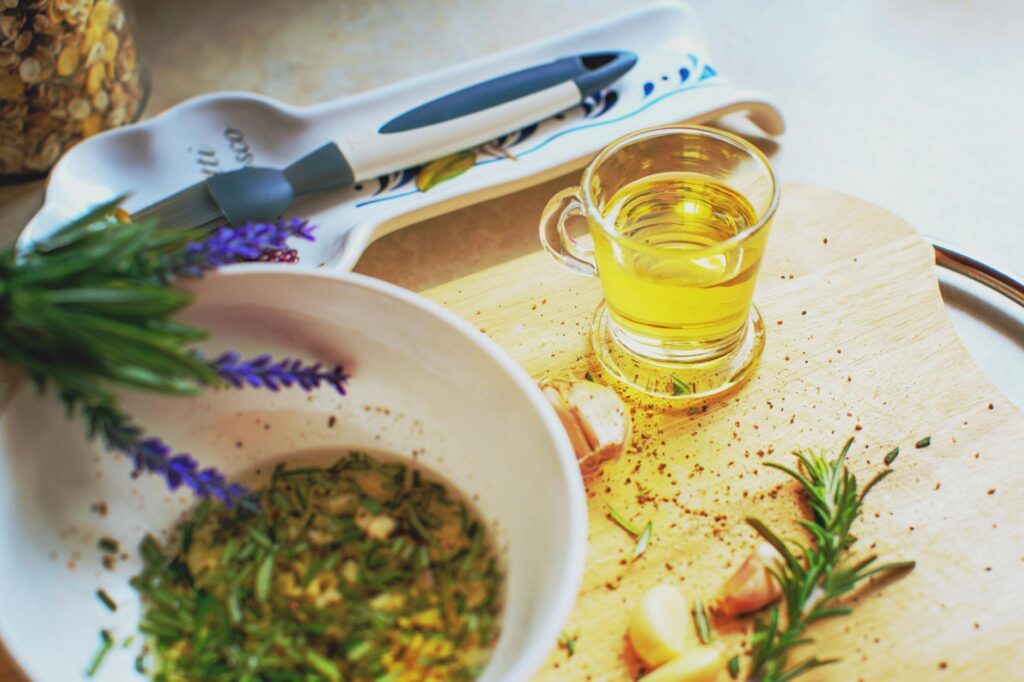
Properties and Uses of Olive Oil
Introduction
Olive oil, a staple of the Mediterranean diet, has been cherished for centuries not only for its culinary benefits but also for its numerous health properties. Originating primarily from the fruit of the olive tree (Olea europaea), this oil is celebrated for its rich flavor and versatility. Beyond the kitchen, olive oil has also found a place in various therapeutic practices, particularly in skin care and aromatherapy. This article explores the properties, benefits, and diverse applications of olive oil, providing a comprehensive understanding of its role in both culinary and holistic practices.
What Is Olive Oil?
Olive oil is extracted from the fruit of the olive tree, which thrives in Mediterranean climates and other regions with similar weather conditions. The extraction process typically involves pressing fresh olives to yield the oil, which can vary in quality based on factors like the type of olives used, the extraction method, and the region of production.
There are several grades of olive oil, including:
- Extra Virgin Olive Oil (EVOO): This highest quality oil is made from cold-pressed olives and contains no more than 0.8% acidity. It retains the most flavor and nutrients.
- Virgin Olive Oil: Slightly lower in quality than EVOO, virgin olive oil has a higher acidity level and a less robust flavor.
- Refined Olive Oil: This oil undergoes processing to remove impurities and improve shelf life, resulting in a lighter flavor but reduced nutritional value.
- Olive Pomace Oil: Extracted from the residue left after the first pressing, this oil is typically of lower quality and is often used in cooking.
- Salad Dressings: EVOO is often used as a base for salad dressings, providing a rich flavor that complements fresh greens and vegetables.
- Marinades: Olive oil can enhance the taste of meats, fish, and vegetables when used in marinades.
- Sautéing and Roasting: While it has a lower smoke point compared to some other cooking oils, olive oil is still suitable for sautéing and roasting at moderate temperatures.
- Dipping and Finishing: Many people enjoy using olive oil as a dip for bread or as a finishing touch on dishes to enhance flavor.
- Skin Care: Due to its moisturizing properties, olive oil is commonly used in skin care products and can also be applied directly to the skin to help soothe dryness.
- Hair Care: Olive oil can be used as a hair conditioner, providing nourishment and shine to dry or damaged hair.
- Massage Oil: Its smooth texture makes olive oil suitable for use as a massage oil, providing a moisturizing effect while facilitating smooth movement.
- Moisturizing: When combined with essential oils, olive oil can provide deep hydration to the skin.
- Soothing Skin Conditions: Some people use olive oil in conjunction with essential oils to help alleviate minor skin irritations.
- Allergies: Although rare, some individuals may have allergies to olives or olive oil. It is advisable to perform a patch test if applying it to the skin for the first time.
- Quality: Choosing high-quality olive oil is essential, as lower-quality oils may contain additives or be improperly processed. Look for reputable brands and certifications.
- Storage: Olive oil should be stored in a cool, dark place to prevent oxidation and maintain its quality.
- Containers: Olive oil should be stored in dark glass or stainless steel containers to protect it from light, which can degrade its quality.
- Temperature: A cool, stable temperature is ideal; avoid storing olive oil near heat sources such as stoves or ovens.
- Shelf Life: Unopened olive oil can last for up to two years, while opened bottles should ideally be used within six months to a year for optimal flavor and quality.
Key Benefits and Properties
Olive oil is not only a flavorful addition to many dishes but also offers a range of beneficial properties:
1. Rich in Healthy Fats: Olive oil is primarily composed of monounsaturated fats, particularly oleic acid, which is known for its heart-healthy benefits.
2. Antioxidant Properties: It contains a variety of antioxidants, including vitamin E and phenolic compounds, which help combat oxidative stress in the body.
3. Anti-Inflammatory Effects: The compounds present in olive oil may help reduce inflammation, contributing to overall health and wellness.
4. Nutrient Absorption: Olive oil aids in the absorption of fat-soluble vitamins (A, D, E, and K), enhancing the nutritional value of meals.
5. Potential Cardiovascular Benefits: Some studies suggest that regular consumption of olive oil may contribute to improved heart health by reducing cholesterol levels and lowering the risk of cardiovascular diseases.
Common Uses
Culinary Applications
Olive oil is widely used in cooking and food preparation. Its flavor profile can range from fruity to peppery, making it suitable for various culinary applications:
Non-Culinary Applications
Beyond its culinary uses, olive oil has found applications in various non-food areas:
Aromatherapy Applications
While olive oil is not an essential oil, it can serve as a carrier oil in aromatherapy practices. Carrier oils are used to dilute essential oils before topical application, helping to ensure safety and enhance absorption.
Dilution and Mixing
When combining olive oil with essential oils for aromatherapy:
1. Dilution Ratio: A common dilution ratio is 2-3 drops of essential oil per teaspoon of carrier oil, such as olive oil. This ensures that the essential oil is safely diluted.
2. Blending with Essential Oils: Olive oil can be blended with a variety of essential oils, such as lavender for relaxation or peppermint for an invigorating effect.
Skin Applications
Due to its emollient properties, olive oil can be beneficial in aromatherapy applications for skin care:
Safety Considerations
While olive oil is generally considered safe for consumption and topical application, it is important to keep the following considerations in mind:
Storage and Shelf Life
Proper storage of olive oil is crucial to preserving its flavor and nutritional properties:
Frequently Asked Questions
1. Can olive oil be used for cooking at high temperatures?
While olive oil has a lower smoke point than some oils, it is still suitable for moderate heat cooking. Extra virgin olive oil is best for dressings and low to medium heat cooking.
2. Is olive oil beneficial for skin?
Yes, olive oil is known for its moisturizing properties and can be used in skin care routines to help soothe and hydrate dry skin.
3. How should I choose olive oil?
Opt for high-quality extra virgin olive oil, preferably in dark glass containers, and check for certifications or harvest dates to ensure freshness.
4. Can olive oil be used in aromatherapy?
Yes, olive oil can be used as a carrier oil in aromatherapy, allowing for the safe application of essential oils on the skin.
5. Is olive oil good for hair?
Yes, olive oil can be used as a natural conditioner, helping to nourish and add shine to hair.
Conclusion
Olive oil is a versatile and beneficial substance that extends far beyond its culinary uses. Its rich profile of healthy fats, antioxidants, and anti-inflammatory properties makes it a valuable addition to both diets and personal care routines. Whether used in cooking, skin care, or aromatherapy, olive oil continues to be a cherished element in various cultures around the world. Understanding its properties and uses allows individuals to appreciate the full potential of this remarkable oil.