
Properties and Uses of Patchouli Oil
Introduction
Patchouli oil is an essential oil derived from the leaves of the patchouli plant, Pogostemon cablin, a member of the mint family. This oil has a rich cultural history, particularly in Southeast Asia, where it has been used for centuries in traditional practices, perfumery, and incense. The unique, earthy aroma of patchouli oil has made it a staple in both the perfume industry and holistic wellness practices. In this article, we will explore the origins, properties, uses, and applications of patchouli oil, providing a comprehensive overview of this fascinating essential oil.
What Is Patchouli Oil?
Patchouli oil is extracted from the leaves of the patchouli plant, which is native to tropical regions of Asia, particularly Indonesia, India, and the Philippines. The extraction process typically involves steam distillation, which captures the essential compounds found in the leaves. The resulting oil is a thick, dark liquid with a distinctive, musky fragrance characterized by earthy and slightly sweet notes.
The patchouli plant grows to about three feet in height and features broad, green leaves that are harvested for oil production. The oil’s unique aroma has led to its widespread use in perfumes, incense, and aromatherapy products.
Key Benefits and Properties
Patchouli oil possesses a variety of properties that contribute to its popularity in both aromatherapy and skincare products. Some of its key benefits include:
1. Antimicrobial Properties: Patchouli oil has been shown to possess antimicrobial effects, which can help inhibit the growth of certain bacteria and fungi. This characteristic makes it a valuable addition to various personal care products.
2. Anti-Inflammatory Effects: The oil is believed to have anti-inflammatory properties, which may help soothe irritation and discomfort when used in topical applications.
3. Mood Enhancer: The rich, grounding scent of patchouli oil is often associated with promoting relaxation and reducing feelings of anxiety. Many individuals use it in aromatherapy to create a calming environment.
4. Skin Care Benefits: Patchouli oil is often included in skincare formulations due to its potential to promote healthy-looking skin. It is believed to help with the appearance of scars, blemishes, and other skin imperfections.
5. Insect Repellent: The strong aroma of patchouli oil acts as a natural insect repellent, making it a popular choice for use in natural pest control solutions.
Common Uses
Patchouli oil has a wide range of applications across various sectors. Some common uses include:
- Perfumery: Due to its unique scent, patchouli oil is a popular base note in many perfumes, providing depth and longevity to fragrance compositions.
- Incense and Candles: The oil is frequently used in the production of incense sticks and scented candles, contributing to a calming and aromatic atmosphere.
- Cosmetics: Patchouli oil is often found in lotions, creams, and soaps, where it contributes to skin nourishment and fragrance.
- Household Products: The oil’s antiseptic properties make it a common ingredient in natural cleaning products and air fresheners.
- Aromatherapy Blends: Patchouli oil is a staple in many essential oil blends, utilized for its grounding effects and compatibility with other oils.
- Dilution: Always dilute patchouli oil with a carrier oil before applying it to the skin to avoid irritation. Common carrier oils include jojoba, coconut, and almond oil.
- Skin Sensitivity: Conduct a patch test on a small area of skin to check for any allergic reactions before using patchouli oil more broadly.
- Pregnancy and Nursing: Pregnant or nursing individuals should consult a healthcare professional before using patchouli oil or any essential oils.
- Interactions: Be cautious if you are taking medications or have underlying health conditions. Some essential oils may interact with certain medications.
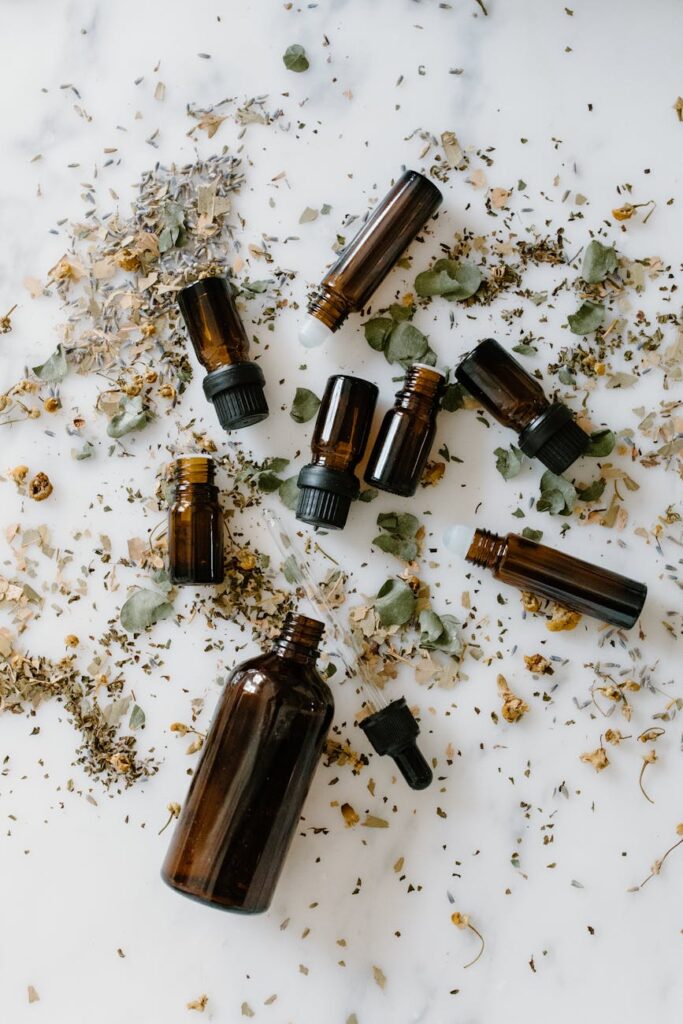
- Dark Glass Containers: Store patchouli oil in dark glass bottles to protect it from light, which can degrade the oil over time.
- Cool, Dry Place: Keep the oil in a cool, dry environment, away from direct sunlight and heat sources.
- Shelf Life: When stored correctly, patchouli oil can last for several years. However, it is advisable to use it within 1 to 3 years for optimal freshness and potency.
Aromatherapy Applications
In aromatherapy, patchouli oil is celebrated for its grounding and balancing properties. It is often used in various ways to enhance emotional well-being:
1. Diffusion: Adding a few drops of patchouli oil to a diffuser can create a calming environment, making it ideal for meditation or relaxation practices.
2. Massage: When diluted with a carrier oil, patchouli oil can be used for massage therapy, providing a soothing effect on both the body and mind.
3. Bathing: Incorporating patchouli oil into bath water can enhance the bathing experience, promoting relaxation and stress relief.
4. Inhalation: Inhaling the scent directly from the bottle or from a tissue can offer immediate calming effects, especially in moments of anxiety or stress.
5. Skin Application: When diluted appropriately, patchouli oil can be applied to the skin to address various skin concerns, including dryness and blemishes.
Safety Considerations
While patchouli oil is generally considered safe for use, it is essential to follow certain precautions:
Storage and Shelf Life
Proper storage of patchouli oil is crucial to maintain its quality and efficacy. Here are some guidelines:
Frequently Asked Questions
1. Can patchouli oil be used on sensitive skin?
Patchouli oil can potentially irritate sensitive skin, especially if used undiluted. Always dilute it with a carrier oil and perform a patch test before applying it more broadly.
2. Is patchouli oil safe for children?
Patchouli oil can be used on children, but it should be highly diluted and only applied under the guidance of a qualified professional. Always consult a healthcare provider before use.
3. Will patchouli oil stain fabric?
Yes, patchouli oil can stain fabric, so it is advisable to apply it carefully and avoid contact with clothing or upholstery.
4. Can patchouli oil help with stress relief?
Many individuals find that the grounding aroma of patchouli oil can help promote relaxation and reduce feelings of stress. However, individual experiences may vary.
5. How can I incorporate patchouli oil into my daily routine?
Patchouli oil can be used in various ways, such as in a diffuser, added to bathwater, or mixed into skincare products. Experiment with different applications to find what works best for you.
Conclusion
Patchouli oil is a versatile essential oil known for its unique aroma and numerous benefits. From its applications in perfumery and skincare to its role in aromatherapy, patchouli oil has carved a niche for itself in various fields. By understanding its properties, uses, and safety considerations, individuals can effectively incorporate this rich oil into their wellness routines. As with all essential oils, it is essential to approach patchouli oil with knowledge and respect to fully appreciate its potential benefits.