
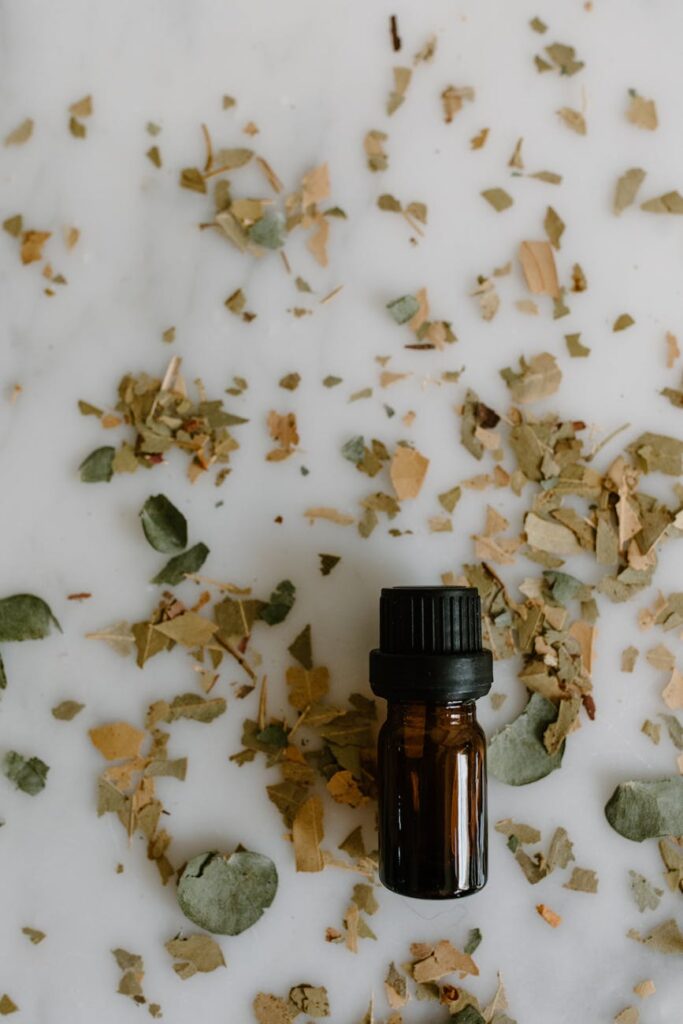
Properties and Uses of Pecan Oil
Introduction
Pecan oil, derived from the nuts of the pecan tree (Carya illinoinensis), has gained attention for its unique flavor profile and versatile applications. This oil is not only celebrated in culinary contexts but also finds its place in various beauty and aromatherapy practices. As a rich source of nutrients and beneficial compounds, pecan oil stands out among other nut oils, offering a myriad of properties and uses. This article delves into the characteristics, benefits, and applications of pecan oil, providing a comprehensive overview for those interested in incorporating this oil into their lifestyle.
What Is Pecan Oil?
Pecan oil is extracted from the nuts of the pecan tree, which is native to North America, particularly in the southern United States. The extraction process typically involves cold-pressing the nuts, which preserves the oil’s natural flavor, aroma, and beneficial properties. Pecan oil is characterized by its light golden color and a mild, buttery flavor, making it a popular choice in culinary dishes ranging from salad dressings to baked goods.
The oil is composed primarily of unsaturated fats, including oleic acid and linoleic acid, which contribute to its healthful profile. Additionally, pecan oil is rich in antioxidants, vitamins, and minerals, further enhancing its appeal for both culinary and cosmetic uses.
Key Benefits and Properties
Nutritional Profile
Pecan oil is known for its favorable fatty acid composition. The predominant fatty acid, oleic acid, is known for its potential heart-health benefits. The oil also contains linoleic acid, which plays a role in skin health. Moreover, pecan oil is a rich source of vitamin E, an antioxidant that helps protect cells from oxidative stress.
Antioxidant Properties
The presence of tocopherols and phenolic compounds in pecan oil grants it significant antioxidant properties. Antioxidants are essential in combating free radicals, which can lead to cell damage and contribute to various diseases. The oil’s antioxidant profile may help in promoting overall health and wellness.
Skin Benefits
Pecan oil’s emollient properties make it an ideal choice for skincare. It can help to moisturize and soften the skin, making it beneficial for dry or damaged skin. Additionally, its anti-inflammatory properties may assist in soothing irritation and redness.
Culinary Qualities
In the culinary world, pecan oil is appreciated for its unique flavor, which adds a rich, nutty taste to dishes. With a high smoke point, it is suitable for various cooking methods, including sautéing, frying, and drizzling over salads. The oil’s versatility extends to both savory and sweet applications, enhancing the flavor profile of a wide range of dishes.
Common Uses
Culinary Applications
Pecan oil is often used in the kitchen in several ways:
- Salad Dressings: It can serve as a base for vinaigrettes, providing a rich flavor.
- Baking: Pecan oil can be used in baked goods, imparting a unique taste and moisture.
- Marinades: Its light texture makes it an excellent choice for marinades, allowing for the infusion of flavors.
- Cooking: With a high smoke point, pecan oil is suitable for frying, sautéing, and roasting.
- Moisturizers: The oil can be used as a standalone moisturizer or blended with other ingredients for enhanced benefits.
- Massage Oils: Its smooth texture makes it an ideal base for massage oils.
- Hair Care: Pecan oil can be used to condition hair, promoting shine and softness.
- Lip Balms: Its emollient properties make it a beneficial ingredient in lip care products.
- Lavender: Known for its calming properties, lavender oil blended with pecan oil can enhance relaxation during massages.
- Peppermint: When combined with pecan oil, peppermint oil may provide a refreshing and invigorating experience.
- Tea Tree: This combination can be beneficial for skincare, helping to soothe irritations.
- Allergies: Individuals with nut allergies should exercise caution, as pecan oil may trigger allergic reactions.
- Skin Sensitivity: Conducting a patch test is advisable before using pecan oil on the skin, especially for those with sensitive skin types.
Cosmetic Uses
In the realm of skincare, pecan oil has various applications:
Aromatherapy Applications
While pecan oil is not traditionally known as an essential oil, it can still play a role in aromatherapy, particularly as a carrier oil. Carrier oils are used to dilute essential oils before topical application, allowing for safe and effective use. Pecan oil’s light texture and subtle aroma make it a suitable carrier oil for various essential oils, including:
Safety Considerations
Pecan oil is generally considered safe for most individuals when used appropriately. However, there are a few considerations to keep in mind:
As with any oil, moderation is key. Overuse, particularly in cooking or skincare, may lead to unwanted effects.
Storage and Shelf Life
To maintain the quality of pecan oil, proper storage is essential. It should be kept in a cool, dark place, away from direct sunlight and heat. Glass containers with airtight seals are recommended for storage to minimize oxidation.
The shelf life of pecan oil is typically around 6 to 12 months, depending on storage conditions. Always check for any off odors or changes in appearance before use, as these may indicate spoilage.
Frequently Asked Questions
Is pecan oil good for cooking?
Yes, pecan oil is excellent for cooking due to its high smoke point and rich flavor. It can be used for frying, sautéing, and as a dressing for salads.
Can pecan oil be used on the skin?
Absolutely. Pecan oil is an emollient and can be used in moisturizers, massage oils, and other skincare products to hydrate and nourish the skin.
Does pecan oil have a strong flavor?
Pecan oil has a mild, buttery flavor that is less intense than some other nut oils, making it versatile for both savory and sweet dishes.
How do I incorporate pecan oil into my diet?
You can use pecan oil in salad dressings, marinades, baked goods, or as a finishing oil drizzled over cooked dishes.
Is pecan oil safe for people with nut allergies?
Individuals with nut allergies should exercise caution, as pecan oil may cause allergic reactions. It is essential to consult with a healthcare professional if you have concerns.
How should I store pecan oil?
Pecan oil should be stored in a cool, dark place in an airtight container. Proper storage can help extend its shelf life.
Conclusion
Pecan oil is a versatile and nutrient-rich oil that offers a range of benefits and uses. Whether used in culinary applications or as part of a skincare routine, its unique properties make it a valuable addition to both kitchens and beauty regimens. As with any oil, understanding its characteristics and potential uses can help individuals make the most of this delightful oil in their daily lives.