
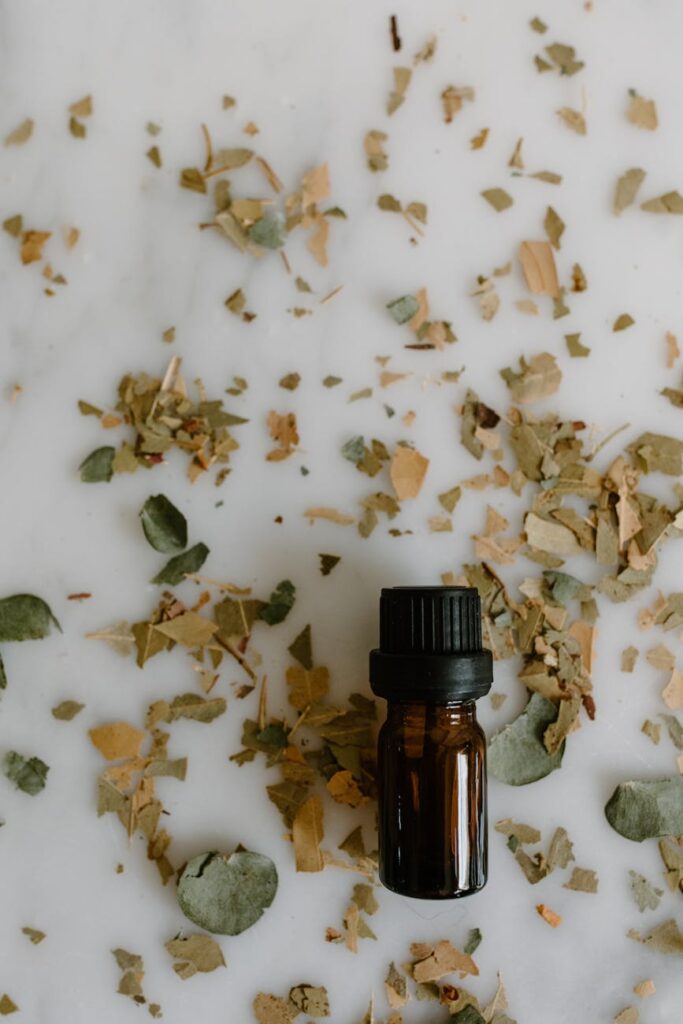
Properties and Uses of Pistachio Oil
Introduction
Pistachio oil, derived from the seeds of the Pistacia vera tree, has gained recognition in both culinary and wellness circles. This oil, with its rich flavor and vibrant green color, is not only a delightful addition to various dishes but also boasts numerous beneficial properties. This article explores the characteristics, benefits, and applications of pistachio oil, providing a comprehensive guide for those interested in its uses.
What Is Pistachio Oil?
Pistachio oil is extracted from the nuts of the pistachio tree, primarily through cold-pressing the seeds. This method preserves the oil’s natural flavor and nutritional components. The oil is characterized by its distinct nutty aroma, deep green hue, and smooth texture, making it a versatile ingredient in both cooking and personal care.
Composition
The oil consists of a balanced profile of fatty acids, including monounsaturated fats, polyunsaturated fats, and a smaller amount of saturated fats. It is also rich in vitamins E and B, antioxidants, and phytosterols, which contribute to its nutritional value and potential health benefits.
Key Benefits and Properties
Nutritional Value
Pistachio oil is a source of healthy fats, particularly oleic acid, which is known for its heart-healthy properties. It also contains significant amounts of vitamin E, an antioxidant that helps protect cells from oxidative damage.
Antioxidant Properties
The presence of antioxidants in pistachio oil helps combat free radicals in the body, reducing oxidative stress and inflammation. These properties are essential for overall health and may contribute to skin health and vitality.
Skin Benefits
Pistachio oil is often lauded for its moisturizing properties. Its emollient nature makes it an excellent choice for hydrating the skin, and it is commonly used in cosmetic formulations. Additionally, the oil’s high vitamin E content can help improve skin elasticity and promote a youthful appearance.
Common Uses
Culinary Applications
In the culinary realm, pistachio oil is prized for its unique flavor profile, which can enhance both savory and sweet dishes. It is often used in:
- Dressing and Marinades: The oil adds depth to salad dressings and marinades, complementing a variety of ingredients.
- Baking: It can be incorporated into baked goods, providing a nutty flavor that pairs well with chocolate and fruits.
- Finishing Oil: Drizzling pistachio oil over dishes just before serving can elevate their flavor, making it a popular choice for enhancing pasta, grilled vegetables, and even desserts.
- Lotions and Creams: Its emollient qualities make it suitable for hydrating skin and providing a protective barrier.
- Hair Care: Pistachio oil can help nourish and condition hair, making it a valuable addition to shampoos and conditioners.
- Massage Oils: The oil’s smooth texture allows for easy application during massages, providing both hydration and a soothing experience.
- Floral Oils: Combining pistachio oil with essential oils like lavender or geranium can create a calming atmosphere.
- Citrus Oils: Mixing with oils like lemon or orange can enhance the uplifting qualities of a space.
Personal Care Products
Due to its moisturizing properties, pistachio oil is a common ingredient in various personal care products, including:
Aromatherapy Applications
While pistachio oil is not typically used as an essential oil in aromatherapy, its aromatic properties can still be appreciated in certain blends. The nutty, rich scent pairs well with:
Pistachio oil can be used in oil burners or diffusers, although care should be taken to ensure proper dilution and mixing.
Safety Considerations
Pistachio oil is generally considered safe for culinary and topical use. However, individuals with nut allergies should exercise caution, as pistachios are tree nuts. It is advisable to perform a patch test before using it on the skin to check for any allergic reactions.
Allergies
Those who are allergic to other nuts, particularly tree nuts, should consult with a healthcare provider before incorporating pistachio oil into their diet or skincare routine.
Storage and Shelf Life
To maintain the quality of pistachio oil, proper storage is crucial. It should be kept in a cool, dark place, away from heat sources and direct sunlight. Using a dark glass bottle can help shield the oil from light, prolonging its shelf life.
Shelf Life
When stored correctly, pistachio oil can last up to a year. However, it is advisable to check for any off-smells or changes in appearance before use, as rancidity can occur over time.
Frequently Asked Questions
1. Can pistachio oil be used for cooking?
Yes, pistachio oil is suitable for cooking and can be used in various culinary applications, including dressings, marinades, and baking.
2. Is pistachio oil safe for all skin types?
While generally safe, it is recommended to perform a patch test first, especially for individuals with sensitive skin or nut allergies.
3. How should pistachio oil be stored?
Pistachio oil should be stored in a cool, dark place in a tightly sealed container to maintain its freshness.
4. Can I use pistachio oil on my hair?
Yes, pistachio oil can be beneficial for hair care. It can help moisturize and nourish the hair, making it suitable for use in hair products.
5. Are there any side effects associated with pistachio oil?
Pistachio oil is generally considered safe; however, individuals with nut allergies should avoid it. Always consult a healthcare provider if you have concerns regarding allergies or sensitivities.
Conclusion
Pistachio oil is a versatile and beneficial oil that can enhance both culinary experiences and personal care routines. With its unique flavor, rich nutritional profile, and numerous applications, it stands out as a valuable addition to any kitchen or skincare regimen. Whether you’re drizzling it over a salad, incorporating it into a beauty routine, or exploring its aromatic potential, pistachio oil offers a delightful combination of taste and wellness benefits.