
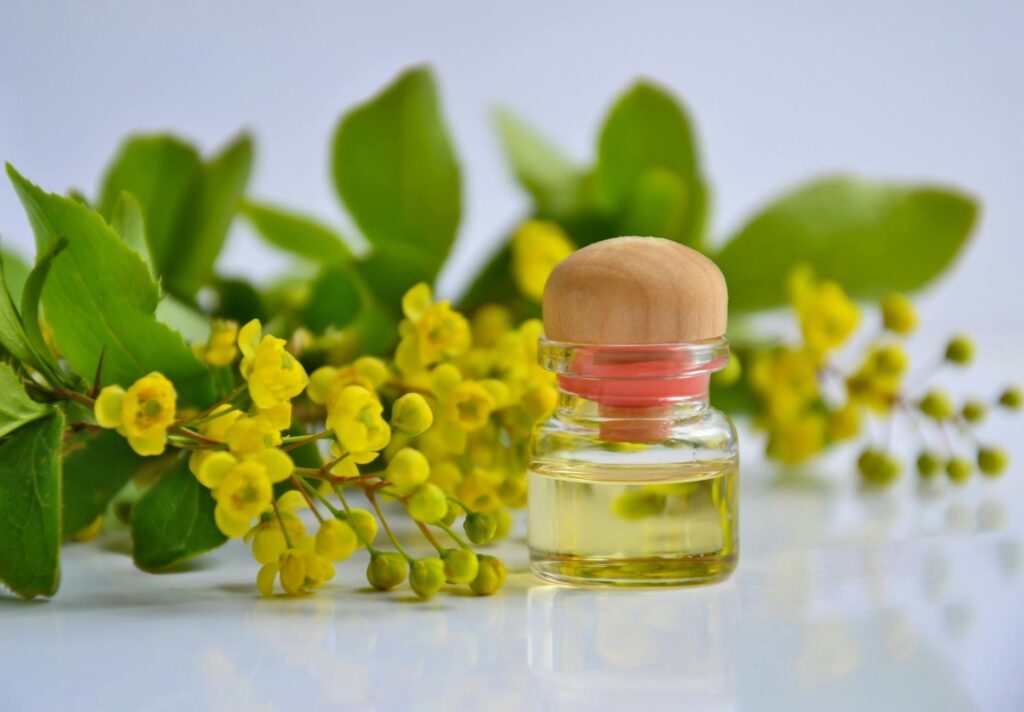
Properties and Uses of Poppy Seed Oil
Introduction
Poppy seed oil, derived from the seeds of the opium poppy (Papaver somniferum), has been utilized for centuries in various cultures for its culinary, cosmetic, and therapeutic properties. Though often overshadowed by more widely-known oils, such as olive or coconut oil, poppy seed oil possesses a unique profile of benefits that make it a valuable addition to both dietary and wellness practices. This article explores the characteristics, benefits, applications, and safety considerations associated with poppy seed oil.
What Is Poppy Seed Oil?
Poppy seed oil is extracted from the seeds of the opium poppy, a plant native to the Mediterranean region but now cultivated worldwide. The oil is obtained through cold-pressing the tiny, dark seeds, resulting in a light, pale-yellow oil with a mild, nutty flavor and aroma. While it is often confused with other oils derived from more commonly known seeds, such as sesame or sunflower, poppy seed oil has distinct properties that set it apart.
This oil is rich in essential fatty acids, particularly linoleic acid (omega-6) and oleic acid (omega-9), which contribute to its nutritional and therapeutic benefits. It also contains antioxidants, vitamins, and trace minerals that enhance its potential uses in various applications.
Key Benefits and Properties
Poppy seed oil has several notable properties that contribute to its appeal:
1. Nutritional Profile: Rich in polyunsaturated and monounsaturated fats, poppy seed oil is a good source of essential fatty acids that are vital for health. It contains approximately 80% unsaturated fats, making it a heart-friendly option.
2. Antioxidant Properties: The oil contains tocopherols (vitamin E), which are known for their antioxidant effects. These compounds help neutralize free radicals in the body, potentially reducing oxidative stress.
3. Moisturizing Qualities: Poppy seed oil is often praised for its skin-nourishing properties. Its emollient qualities make it an excellent moisturizer, helping to hydrate and soften the skin.
4. Anti-inflammatory Effects: Preliminary studies suggest that the oil may exhibit anti-inflammatory properties, making it potentially beneficial for soothing irritated skin or reducing inflammation in the body.
5. Rich in Vitamins and Minerals: In addition to vitamin E, poppy seed oil contains trace amounts of essential minerals such as calcium, magnesium, and phosphorus, contributing to its overall nutritional value.
Common Uses
Poppy seed oil has a variety of applications across different fields:
Culinary Use
In culinary applications, poppy seed oil is often used as a dressing for salads or drizzled over cooked vegetables. Its mild flavor allows it to enhance dishes without overpowering other ingredients. Additionally, it can be used for sautéing or baking, providing an alternative to more traditional cooking oils.
Cosmetic Use
Due to its moisturizing properties, poppy seed oil is commonly found in skin care products, including lotions, creams, and serums. It is suitable for all skin types and is often used to help soothe dry, irritated, or sensitive skin. Additionally, its emollient qualities make it a popular choice for hair care products, where it can help add shine and moisture.
Soap Making
Poppy seed oil is used in the formulation of handmade soaps. Its moisturizing properties contribute to a creamy lather, while its light texture makes it easy to incorporate into various soap recipes.
Aromatherapy Applications
While poppy seed oil is not traditionally used in aromatherapy, its incorporation into this practice is gaining traction. The oil can serve as a carrier oil for essential oils, allowing for safe topical application. When blended with essential oils, poppy seed oil can enhance the overall experience, providing a nourishing base that also allows the therapeutic properties of the essential oils to shine through.
Blending with Essential Oils
When using poppy seed oil in aromatherapy, it is best to blend it with essential oils that complement its properties. Some potential blends include:
- Lavender and Poppy Seed Oil: This combination can promote relaxation and stress relief.
- Peppermint and Poppy Seed Oil: This blend may help invigorate and refresh the senses.
- Rosemary and Poppy Seed Oil: This mix can be beneficial for mental clarity and focus.
Massage Therapy
Because of its emollient qualities, poppy seed oil can be used as a base oil for massage. When blended with essential oils, it can enhance the overall massage experience while providing skin nourishment.
Safety Considerations
While poppy seed oil is generally considered safe for most people, certain precautions should be observed:
1. Allergic Reactions: As with any oil, individuals should perform a patch test before using poppy seed oil topically to check for allergic reactions.
2. Pregnancy and Nursing: It is advisable for pregnant or nursing individuals to consult with a healthcare provider before using poppy seed oil, as its effects in these situations are not well-studied.
3. Quality and Purity: Ensure that the poppy seed oil purchased is of high quality and free from additives or contaminants. Look for cold-pressed, organic options whenever possible.
4. Consumption: When using poppy seed oil in cooking or as a supplement, moderation is key. Overconsumption of any oil can lead to unwanted health effects, including weight gain or digestive discomfort.
Storage and Shelf Life
Poppy seed oil should be stored in a cool, dark place to preserve its quality and extend its shelf life. Exposure to heat, light, and air can lead to rancidity. Ideally, the oil should be kept in a tightly sealed, dark glass container. Under proper storage conditions, poppy seed oil typically has a shelf life of 6 to 12 months.
Frequently Asked Questions
1. Is poppy seed oil safe for cooking?
Yes, poppy seed oil is safe for cooking, provided it is used in moderation. Its mild flavor makes it suitable for various culinary applications.
2. Can poppy seed oil be used on sensitive skin?
Poppy seed oil is often well-tolerated by sensitive skin types due to its moisturizing properties. However, a patch test is recommended to rule out any allergic reactions.
3. Can I use poppy seed oil for hair care?
Yes, poppy seed oil can be beneficial for hair care, as it helps to moisturize and add shine to the hair. It can be used in hair masks or as a leave-in treatment.
4. How do I incorporate poppy seed oil into my skincare routine?
Poppy seed oil can be applied directly to the skin or blended with other oils and essential oils for enhanced effects. It is often used in serums, lotions, and creams.
5. Is there a difference between culinary and cosmetic poppy seed oil?
While both culinary and cosmetic poppy seed oils come from the same source, culinary oils are typically refined for food safety and taste, whereas cosmetic oils may retain more of their natural properties.
Conclusion
Poppy seed oil offers a range of benefits that make it a versatile addition to both culinary and wellness practices. Its rich nutritional profile, moisturizing properties, and potential applications in aromatherapy highlight its value as a natural product. However, as with all oils, it is essential to consider individual needs and preferences, ensuring safe and effective use. Whether incorporated into your diet, skincare routine, or aromatherapy practice, poppy seed oil can provide a multitude of advantages for overall well-being.