
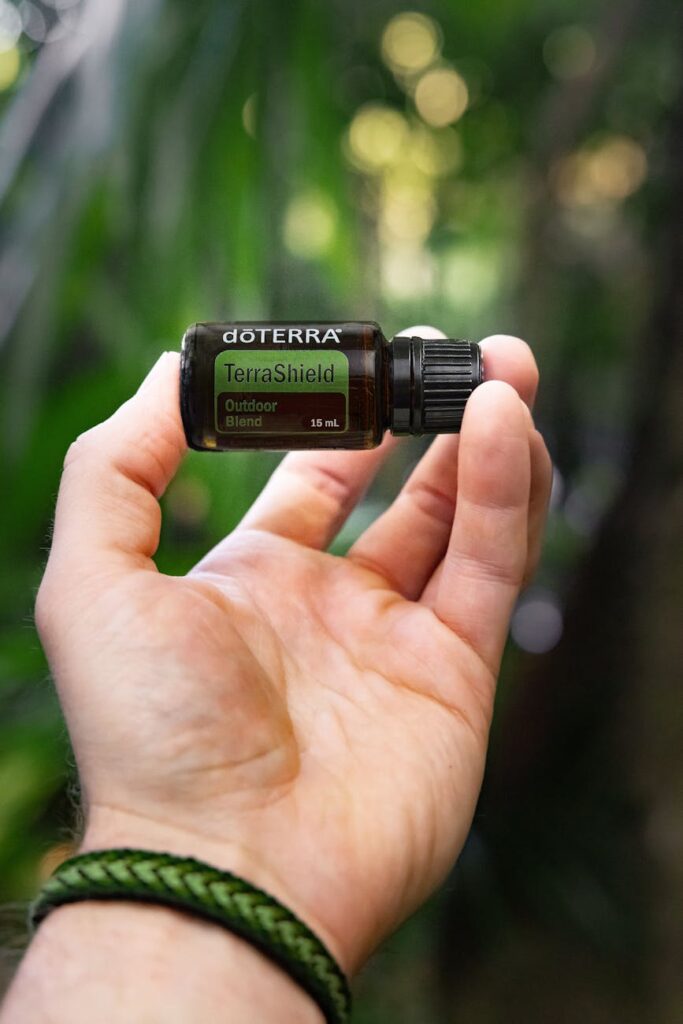
Properties and Uses of Respiratory Blends
Introduction
Essential oils have been utilized for centuries, revered for their aromatic properties and therapeutic benefits. Among the various blends available, respiratory blends have gained significant attention. These blends often combine oils known for their ability to support respiratory health and enhance respiratory function. This article delves into the properties and uses of respiratory blends, exploring their benefits, applications, and safety considerations.
What Is Respiratory Blends?
Respiratory blends are specifically formulated combinations of essential oils that aim to support the respiratory system. Typically, these blends include oils such as eucalyptus, peppermint, tea tree, and lemon, among others. Each oil contributes unique properties that can promote clear breathing and support overall respiratory wellness. The synergy created by combining these oils enhances their individual effects, making respiratory blends popular in the field of aromatherapy.
Key Benefits and Properties
1. Antimicrobial Properties
Many essential oils used in respiratory blends possess antimicrobial properties. For instance, tea tree oil is well-known for its ability to combat bacteria and fungi, while eucalyptus oil has been shown to have antiviral properties. This makes respiratory blends useful not only for breathing support but also for maintaining a clean and healthy environment.
2. Decongestant Effects
Certain essential oils, such as peppermint and eucalyptus, are recognized for their decongestant effects. They can help open airways, making it easier to breathe. The menthol in peppermint provides a cooling sensation, which can further enhance the feeling of ease when inhaling.
3. Anti-inflammatory Benefits
Inflammation in the respiratory tract can lead to discomfort and difficulty breathing. Oils like lavender and eucalyptus are known for their anti-inflammatory properties, which can help soothe irritation in the airways.
4. Mood Enhancement
Aromatherapy not only supports physical health but can also positively influence emotional well-being. Many respiratory blends include uplifting oils such as lemon or peppermint, which can help elevate mood and reduce feelings of stress or anxiety.
Common Uses
1. Diffusion
One of the most common methods of using respiratory blends is through diffusion. Using an essential oil diffuser, individuals can disperse the aromatic compounds into the air, allowing for easy inhalation. This method is particularly beneficial for creating a calming atmosphere while supporting respiratory function.
2. Inhalation
Direct inhalation is another popular technique. A few drops of the respiratory blend can be added to a cotton ball or tissue, which can then be held close to the nose for inhalation. This method provides immediate access to the oils, allowing for quick relief.
3. Topical Application
Respiratory blends can also be used topically, though they should be diluted with a carrier oil before application. Common areas for application include the chest, throat, and back. This method allows for the oils to be absorbed into the skin, providing localized support.
4. Bath Soak
Adding respiratory blends to a warm bath can create a rejuvenating experience. The steam from the bath water helps to release the essential oils, enhancing the inhalation experience while also providing muscle relaxation.
Aromatherapy Applications
1. Massage Therapy
Incorporating respiratory blends into massage therapy can enhance the overall experience. Massage therapists often blend these oils with carrier oils to promote relaxation and support breathing during the session.
2. Yoga and Meditation
Using respiratory blends in yoga or meditation practices can create a calming environment. The aromatic experience can help individuals focus, enhance their practice, and promote a sense of tranquility.
3. Sleep Support
Some respiratory blends can aid in relaxation, making them suitable for bedtime routines. Diffusing these blends in the evening can create a soothing atmosphere conducive to restful sleep.
Safety Considerations
While essential oils are natural, they must be used with caution. Here are some important safety considerations:
1. Dilution
Always dilute essential oils with a carrier oil before applying them to the skin. This reduces the risk of skin irritation or allergic reactions.
2. Allergies and Sensitivities
Individuals with allergies or sensitivities should conduct a patch test before using a new oil or blend. This involves applying a diluted amount to a small area of skin to check for any adverse reactions.
3. Pregnancy and Nursing
Pregnant or nursing individuals should consult with healthcare professionals before using essential oils, as some oils may not be safe during these times.
4. Children and Pets
Certain essential oils can be harmful to children and pets. It is essential to research and select oils that are safe for use around them, and always store oils out of reach.
Storage and Shelf Life
Proper storage is crucial for maintaining the potency of essential oils. Here are some tips for storing respiratory blends:
1. Cool, Dark Place
Store essential oils in a cool, dark place, away from direct sunlight. This helps to prevent degradation and preserve their therapeutic properties.
2. Sealed Containers
Keep oils in tightly sealed containers to minimize exposure to air, which can lead to oxidation and loss of potency.
3. Shelf Life
The shelf life of essential oils can vary depending on the type and storage conditions. Generally, most essential oils last for 1-3 years, but blends may have a shorter lifespan. It is advisable to check for any changes in scent or appearance before use.
Frequently Asked Questions
1. Can respiratory blends be used daily?
Yes, respiratory blends can be used daily, but it is essential to follow dilution guidelines and observe how your body responds.
2. Are respiratory blends safe for children?
Some respiratory blends can be safe for children when properly diluted. However, it is always recommended to consult with a healthcare professional before use.
3. Can I create my own respiratory blend?
Absolutely! Many individuals enjoy creating their own blends by combining their favorite essential oils known for respiratory support. Just ensure to follow safety guidelines and test the blend before widespread use.
4. How do I know if a respiratory blend is effective?
The effectiveness of a respiratory blend can vary from person to person. Observing how your body responds to the blend, both physically and emotionally, can provide insight into its effectiveness.
5. Can respiratory blends help with seasonal allergies?
While respiratory blends may provide some relief, they should not be seen as a replacement for medical treatments for allergies. Consult with a healthcare professional for comprehensive advice.
Conclusion
Respiratory blends serve as a valuable addition to the world of aromatherapy, offering a natural way to support respiratory health and enhance well-being. By understanding their properties, uses, and safety considerations, individuals can make informed decisions about incorporating these blends into their daily lives. As with any natural remedy, personal experience and preference play crucial roles in determining the most suitable approach.