
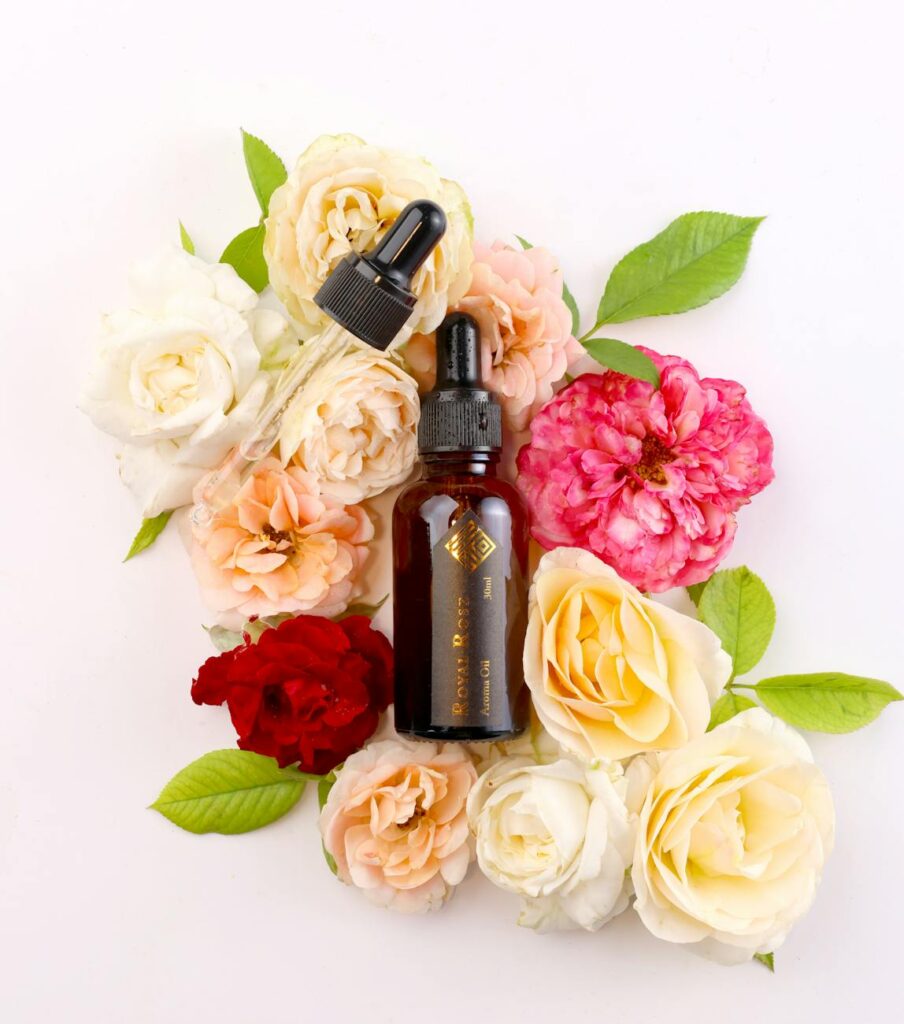
Properties and Uses of Rose Oil
Introduction
Rose oil, revered for its exquisite fragrance and numerous benefits, has been a staple in perfumery and holistic practices for centuries. Extracted from the petals of the Rosa damascena, or damask rose, it is celebrated not only for its enchanting aroma but also for its diverse applications in skincare, aromatherapy, and emotional well-being. This article delves into the properties, benefits, and common uses of rose oil, providing a comprehensive understanding of this precious essential oil.
What Is Rose Oil?
Rose oil, often referred to as rose essential oil, is derived from the steam distillation of rose petals. The most common species used for oil extraction is Rosa damascena, known for its rich oil content and complex aromatic profile. The extraction process requires a large quantity of petals—approximately 60,000 to 70,000 petals are needed to produce just one ounce of rose oil, making it one of the most expensive essential oils on the market.
The oil is characterized by its sweet, floral aroma, which is not only delightful but also carries numerous therapeutic properties. Due to its high cost and the complexity of its extraction, pure rose oil is often diluted with carrier oils or blended with other oils in commercial products.
Key Benefits and Properties
Emotional Well-Being
Rose oil is often associated with emotional support and mental clarity. Its uplifting scent is believed to alleviate feelings of stress, anxiety, and depression. Many individuals use rose oil during meditation or relaxation practices to enhance emotional balance.
Antioxidant Properties
Rose oil is rich in antioxidants, which help combat oxidative stress in the body. Antioxidants are known for their ability to neutralize free radicals, which can contribute to aging and various health issues.
Skin Care Benefits
Rose oil has anti-inflammatory and antiseptic properties, making it a popular choice in skincare formulations. It is known to promote a healthy complexion, soothe irritated skin, and reduce the appearance of scars and blemishes. Its hydrating qualities make it valuable for dry or aging skin.
Hormonal Balance
Some studies suggest that rose oil may have a positive effect on hormonal balance, particularly in women. It is often used to alleviate menstrual discomfort and emotional fluctuations associated with hormonal changes.
Common Uses
Skincare
Rose oil is a common ingredient in high-end skincare products, including serums, creams, and masks. It is often used for its ability to hydrate, soothe, and rejuvenate the skin. When diluted with a carrier oil, it can be applied directly to the skin to target specific concerns, such as dryness or redness.
Perfume
Known for its captivating scent, rose oil is a cornerstone ingredient in many perfumes. Its rich and floral aroma is often blended with other essential oils to create complex fragrances that evoke a sense of luxury and elegance.
Massage
Rose oil is frequently used in massage therapy, not only for its fragrance but also for its skin-nourishing properties. When mixed with a carrier oil, it can enhance the massage experience, promoting relaxation and emotional release.
Household Products
The delightful scent of rose oil makes it a popular choice in household products, such as candles, diffusers, and potpourri. Its natural aroma can freshen up spaces and create a calming environment.
Aromatherapy Applications
Diffusion
In aromatherapy, rose oil is often used in diffusers to create a tranquil atmosphere. The scent is believed to enhance mood, reduce stress, and promote a sense of peace. A few drops of rose oil in a diffuser can transform a room into a sanctuary of relaxation.
Inhalation
Direct inhalation of rose oil can also be beneficial. Adding a few drops to a handkerchief or inhaler allows individuals to experience its uplifting effects on the go. It can be particularly helpful during moments of stress or anxiety.
Bathing
Incorporating rose oil into a warm bath can provide a luxurious and soothing experience. Adding a few drops to bathwater can promote relaxation, making it an ideal addition to self-care routines.
Safety Considerations
While rose oil is generally recognized as safe when used appropriately, there are several considerations to keep in mind:
Skin Sensitivity
Individuals with sensitive skin or allergies should perform a patch test before using rose oil topically. Diluting the oil with a carrier oil, such as almond or jojoba oil, can help minimize the risk of irritation.
Pregnancy and Nursing
Pregnant or nursing women should consult a healthcare professional before using rose oil, as its effects during these periods are not fully understood.
Quality Matters
Due to the prevalence of adulterated and diluted rose oils on the market, it is essential to purchase from reputable suppliers. Look for oils labeled as pure or therapeutic grade to ensure quality and authenticity.
Storage and Shelf Life
Proper storage of rose oil is crucial to maintaining its potency and aroma. Here are some guidelines:
Storage Tips
- Keep it cool: Store rose oil in a cool, dark place to protect it from heat and light, which can degrade its quality.
- Use amber or cobalt glass bottles: Dark glass bottles help shield the oil from light exposure.
- Seal tightly: Ensure the bottle is tightly sealed to prevent oxidation and evaporation.
Shelf Life
When stored correctly, rose oil can last for several years. However, its aromatic profile may change over time. It is advisable to check for any changes in scent or consistency before use.
Frequently Asked Questions
1. Is rose oil safe for all skin types?
While rose oil is generally safe, individuals with sensitive skin should perform a patch test before applying it topically. Always dilute it with a carrier oil to reduce the risk of irritation.
2. Can rose oil be used during pregnancy?
It is advisable for pregnant or nursing women to consult with a healthcare professional before using rose oil, as its effects during these periods are not well-established.
3. How can I incorporate rose oil into my daily routine?
Rose oil can be added to skincare products, diffused in your living space, or used in bath rituals. Its versatility allows for a variety of applications to suit individual preferences.
4. What should I look for when purchasing rose oil?
Seek out pure or therapeutic-grade rose oil from reputable suppliers. This ensures that you are receiving a high-quality product free from adulteration.
5. Can rose oil help with anxiety and stress?
Many people find rose oil beneficial for emotional support and stress relief due to its uplifting aroma. However, individual experiences may vary, and it should not be considered a substitute for professional treatment.
Conclusion
Rose oil is a remarkable essential oil with a rich history and a wide array of applications. From its use in skincare to its role in aromatherapy, this exquisite oil continues to captivate and inspire. By understanding its properties and uses, individuals can harness the benefits of rose oil to enhance their well-being and create a more harmonious environment. As with any essential oil, it is essential to use rose oil responsibly and with awareness of its characteristics.