
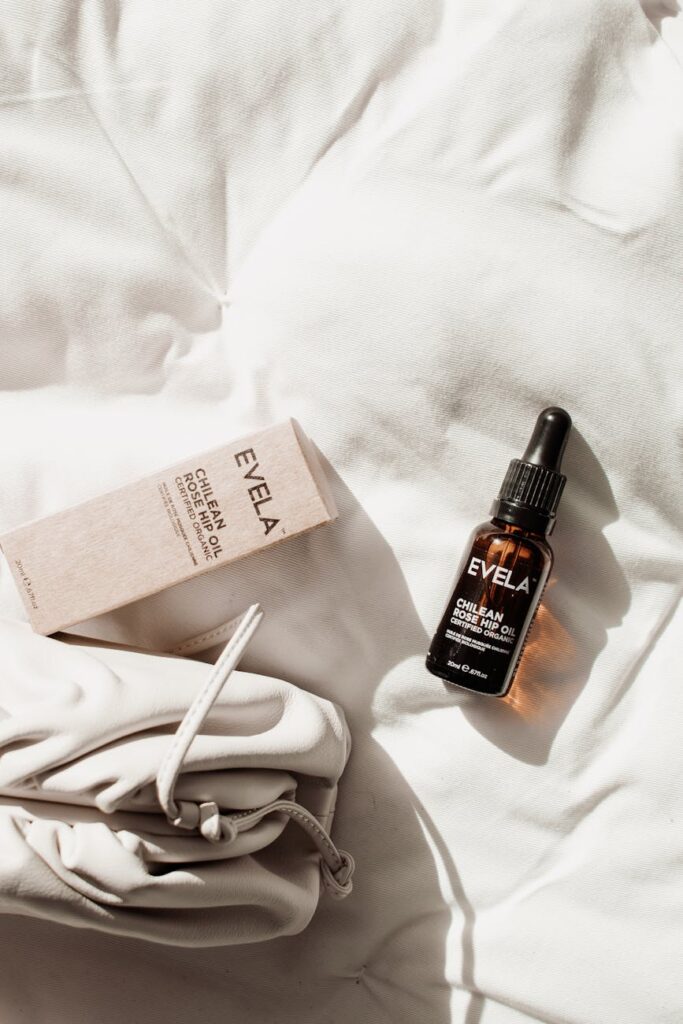
Properties and Uses of Rosehip Oil
Introduction
Rosehip oil, derived from the seeds of the wild rose bush (Rosa canina), has gained immense popularity in recent years due to its numerous skin benefits and versatile applications. Known for its rich nutrient profile, this oil has been utilized for centuries in various cultures for its beauty-enhancing properties. This article aims to delve into the characteristics, uses, and benefits of rosehip oil, providing a comprehensive understanding of this remarkable oil.
What Is Rosehip Oil?
Rosehip oil is extracted from the seeds of the fruit produced by the Rosa canina plant, commonly known as the dog rose. The extraction process typically involves cold-pressing the seeds, which helps retain the oil’s beneficial properties. Rosehip oil is characterized by its light texture and pale orange to yellow color. The oil is rich in essential fatty acids, vitamins, and antioxidants, making it a valuable addition to skincare routines.
Composition
Rosehip oil contains a variety of beneficial compounds, including:
- Fatty Acids: Primarily linoleic acid (omega-6) and alpha-linolenic acid (omega-3), which are essential for skin health.
- Vitamins: A, C, and E, known for their antioxidant properties and role in skin maintenance.
- Antioxidants: These compounds help neutralize free radicals, protecting the skin from damage.
- Lavender: Known for its calming effects, lavender can be mixed with rosehip oil for a relaxing massage oil.
- Geranium: This uplifting oil can enhance the skin-regenerating properties of rosehip oil.
- Tea Tree: Combining tea tree oil with rosehip can create a blend that supports skin healing.
- Cool, Dark Place: Store rosehip oil in a cool, dark cabinet away from direct sunlight and heat sources to prevent oxidation.
- Tightly Sealed: Ensure the bottle is tightly sealed to minimize exposure to air.
- Refrigeration: For extended shelf life, consider refrigerating the oil. This can help preserve its beneficial properties and extend its usability.
Key Benefits and Properties
Rosehip oil is celebrated for its multifaceted benefits, particularly in skincare. Some of its key properties include:
1. Moisturizing
Due to its high content of essential fatty acids, rosehip oil is an excellent moisturizer. It penetrates the skin easily, helping to hydrate and nourish dry skin without leaving a greasy residue.
2. Anti-Aging
The oil is renowned for its anti-aging benefits, primarily due to its vitamin A content, which promotes skin regeneration. Regular use can help reduce the appearance of fine lines and wrinkles, giving the skin a more youthful appearance.
3. Scar and Stretch Mark Reduction
Rosehip oil is often used to minimize the appearance of scars and stretch marks. Its regenerative properties can aid in the healing process, improving skin texture and tone.
4. Brightening
The vitamin C in rosehip oil is a powerful antioxidant that helps to brighten the skin and even out skin tone. It can reduce hyperpigmentation and promote a radiant complexion.
5. Anti-Inflammatory
The oil possesses anti-inflammatory properties, making it beneficial for sensitive or irritated skin. It can help soothe conditions such as eczema and rosacea.
Common Uses
Rosehip oil is versatile and can be incorporated into various aspects of personal care and beauty routines. Some common uses include:
1. Facial Oil
As a facial oil, rosehip oil can be applied directly to the skin or mixed with other skincare products. Its lightweight texture makes it suitable for all skin types, including oily and combination skin.
2. Carrier Oil
Due to its nourishing properties, rosehip oil serves as a carrier oil for essential oils in aromatherapy. It can be blended with oils such as lavender or tea tree for added benefits.
3. Hair Care
Rosehip oil can be used in hair care routines to nourish and hydrate dry or damaged hair. It can be applied as a treatment before washing or mixed into conditioners.
4. Body Oil
This oil can be used as a body moisturizer, helping to keep the skin soft and hydrated. It may also be beneficial for reducing the appearance of stretch marks during pregnancy or weight changes.
5. Nail Treatment
Rosehip oil can strengthen and nourish nails and cuticles, preventing brittleness and promoting healthy growth.
Aromatherapy Applications
In the realm of aromatherapy, rosehip oil is often used as a carrier oil for essential oil blends. Its soothing properties make it an excellent base for creating calming and revitalizing mixtures. While rosehip oil does not possess a strong scent, its beneficial properties complement the effects of essential oils. Some popular essential oils to blend with rosehip oil include:
When using rosehip oil in aromatherapy, it is essential to consider individual preferences and skin sensitivities.
Safety Considerations
While rosehip oil is generally safe for topical use, there are some important considerations to keep in mind:
1. Patch Test
Before applying rosehip oil to the skin, it is advisable to perform a patch test. Apply a small amount to a discreet area and wait 24 hours to check for any adverse reactions.
2. Pregnancy and Nursing
Although rosehip oil is considered safe for topical use during pregnancy and nursing, it is always best to consult with a healthcare provider before incorporating new products into your routine.
3. Allergies
Individuals with known allergies to rose plants or related species should avoid using rosehip oil. Always review ingredient labels for potential allergens.
Storage and Shelf Life
Proper storage of rosehip oil is crucial to maintaining its quality and effectiveness. Here are some tips for storage:
Typically, rosehip oil has a shelf life of approximately 6 to 12 months, depending on how it is stored. Always check for any changes in color, smell, or consistency before use.
Frequently Asked Questions
1. Can rosehip oil be used on all skin types?
Yes, rosehip oil is generally suitable for all skin types, including oily and sensitive skin. However, individual reactions may vary, so it is advisable to perform a patch test before widespread use.
2. How should I apply rosehip oil?
Rosehip oil can be applied directly to the skin after cleansing. A few drops can be massaged into the face, or it can be mixed with a moisturizer for enhanced hydration.
3. Is rosehip oil the same as rose oil?
No, rosehip oil and rose oil are different. Rose oil is extracted from the petals of roses and has a distinct floral scent, while rosehip oil is derived from the seeds of the rose fruit and has different properties.
4. Can rosehip oil be ingested?
Rosehip oil is primarily intended for topical use. If considering ingestion, consult with a healthcare professional for guidance.
5. How often should I use rosehip oil?
For best results, rosehip oil can be used daily as part of a skincare routine. Adjust frequency based on individual skin needs and reactions.
Conclusion
Rosehip oil is a remarkable oil with a rich history of use in skincare and beauty. Its diverse benefits, from moisturizing and anti-aging properties to its role in aromatherapy, make it a valuable addition to personal care regimens. By understanding its properties and applications, individuals can fully appreciate the advantages of incorporating rosehip oil into their daily routines. Always remember to conduct patch tests and consult with professionals when necessary to ensure safe and effective use.