
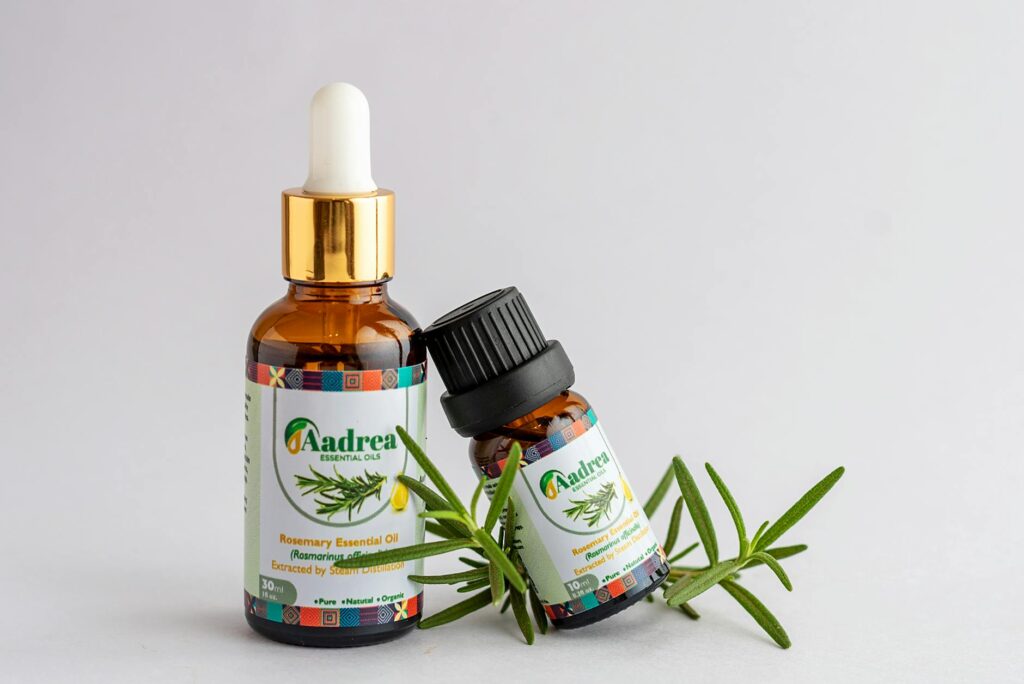
Properties and Uses of Rosemary Oil
Introduction
Rosemary (Rosmarinus officinalis) is a perennial herb native to the Mediterranean region, cherished not only for its culinary uses but also for its therapeutic properties. Extracted from the leaves of the rosemary plant, rosemary oil has gained popularity in aromatherapy, natural wellness, and beauty applications. This article delves into the properties, benefits, and various uses of rosemary oil, providing a comprehensive understanding of its significance in natural health and wellness.
What Is Rosemary Oil?
Rosemary oil is a concentrated essential oil obtained through the steam distillation of the fresh or dried leaves of the rosemary plant. Known for its distinctive, fresh, and herbaceous aroma, rosemary oil has been utilized since ancient times, not only for flavoring food but also for its potential health benefits. The oil is characterized by its high content of active compounds, including 1,8-cineole, camphor, and rosmarinic acid, which contribute to its unique properties.
Key Benefits and Properties
Antioxidant Properties
Rosemary oil is rich in antioxidants, compounds that help combat oxidative stress in the body. Oxidative stress can lead to cellular damage and has been linked to various health issues. The antioxidants present in rosemary oil may help neutralize free radicals, supporting overall health and wellness.
Anti-inflammatory Effects
The anti-inflammatory properties of rosemary oil can be attributed to its active constituents, such as rosmarinic acid. These compounds may help reduce inflammation, making rosemary oil a popular choice for applications targeting sore muscles or joint discomfort.
Cognitive Support
Some studies suggest that rosemary oil may enhance cognitive function and improve memory. The aroma of rosemary is believed to stimulate the brain, potentially aiding concentration and mental clarity. In traditional practices, it has been used to promote alertness and mental sharpness.
Antimicrobial Activity
Rosemary oil possesses antimicrobial properties, making it effective against certain bacteria and fungi. This characteristic has led to its incorporation into various natural cleaning products and personal care items.
Mood Enhancer
The uplifting scent of rosemary oil is often used in aromatherapy to promote emotional well-being. Its invigorating aroma may help alleviate stress and anxiety, fostering a sense of calm and balance.
Common Uses
Culinary Uses
In the culinary world, rosemary is a favorite herb used to flavor a variety of dishes, including meats, vegetables, and sauces. Rosemary oil can also be used in cooking, but it is crucial to use it sparingly, as its concentrated nature can easily overpower other flavors.
Hair Care
Rosemary oil is frequently included in hair care products due to its potential benefits for scalp health and hair growth. It is believed to promote circulation in the scalp, which may stimulate hair follicles. Additionally, its antimicrobial properties can help maintain a healthy scalp environment.
Skin Care
In skincare formulations, rosemary oil is valued for its antiseptic and astringent properties. It may help in treating skin conditions such as acne, oily skin, and minor wounds. However, it should always be diluted with a carrier oil before topical application.
Household Cleaning
Due to its antimicrobial qualities, rosemary oil is often utilized in homemade cleaning solutions. Its pleasant aroma can also help mask odors, making it a popular choice for natural air fresheners and surface cleaners.
Aromatherapy Applications
Aromatherapy is a holistic practice that uses essential oils to promote physical and emotional well-being. Rosemary oil is commonly used in aromatherapy for its invigorating and clarifying properties. Here are some popular methods of incorporating rosemary oil into aromatherapy:
Diffusion
Using a diffuser, rosemary oil can be dispersed into the air, creating an uplifting and refreshing environment. This method is often employed in workspaces or study areas to enhance focus and concentration.
Inhalation
Inhaling rosemary oil directly from the bottle or from a cotton ball can provide immediate benefits. This method can be particularly useful during study sessions or when feeling mentally fatigued.
Massage
When diluted with a carrier oil, rosemary oil can be incorporated into massage therapy. Its warming and soothing properties can enhance the massage experience, providing relief to tense muscles and promoting relaxation.
Bathing
Adding a few drops of rosemary oil to a warm bath can create a rejuvenating experience. The steam from the bath allows for inhalation of the oil’s aroma, while the warm water helps relax the body.
Safety Considerations
While rosemary oil is generally regarded as safe for most individuals, certain precautions should be taken:
- Dilution: Essential oils are highly concentrated and should be diluted with a carrier oil before topical application to avoid skin irritation.
- Allergies: Conduct a patch test before using rosemary oil on the skin to check for any allergic reactions.
- Pregnancy and Lactation: Individuals who are pregnant or breastfeeding should consult a healthcare professional before using rosemary oil.
- Medical Conditions: Those with epilepsy or high blood pressure should exercise caution and may want to avoid using rosemary oil, as it may exacerbate certain conditions.
- Children: Keep rosemary oil out of reach of children and consult a healthcare provider before using it with young children.
- Keep it Cool: Store rosemary oil in a cool, dark place away from direct sunlight and heat sources. Excessive heat and light can degrade the oil and diminish its efficacy.
- Seal the Bottle: Ensure that the bottle is tightly sealed when not in use to prevent oxidation.
- Check Expiration Dates: Essential oils typically have a shelf life of 1 to 3 years. It is advisable to check the expiration date and use the oil within that time frame for maximum potency.
Storage and Shelf Life
To maintain the quality of rosemary oil, it is essential to store it properly. Here are some tips for storage:
Frequently Asked Questions
Can rosemary oil be ingested?
While rosemary oil is sometimes used in cooking, it is crucial to use it sparingly due to its concentrated nature. Always consult a professional before ingesting essential oils.
Is rosemary oil safe for pets?
Rosemary oil can be toxic to certain pets, particularly cats and dogs. If you have pets, consult a veterinarian before using rosemary oil in your home.
How can I incorporate rosemary oil into my skincare routine?
Rosemary oil can be added to skincare products or diluted with a carrier oil for topical application. Always perform a patch test first to ensure compatibility with your skin.
Can rosemary oil help with hair loss?
While some anecdotal evidence suggests that rosemary oil may support hair growth, more research is needed to confirm these claims. It is often used in hair care products for its potential benefits.
What are some other essential oils that pair well with rosemary?
Rosemary oil blends well with other essential oils such as lavender, peppermint, and lemon. These combinations can create synergistic effects in aromatherapy applications.
Conclusion
Rosemary oil is a versatile essential oil with a wide array of properties and uses. From culinary applications to skincare and aromatherapy, its benefits are well recognized. However, as with any essential oil, it is important to use rosemary oil safely and responsibly. By understanding its properties and applications, individuals can incorporate rosemary oil into their wellness routines effectively.