
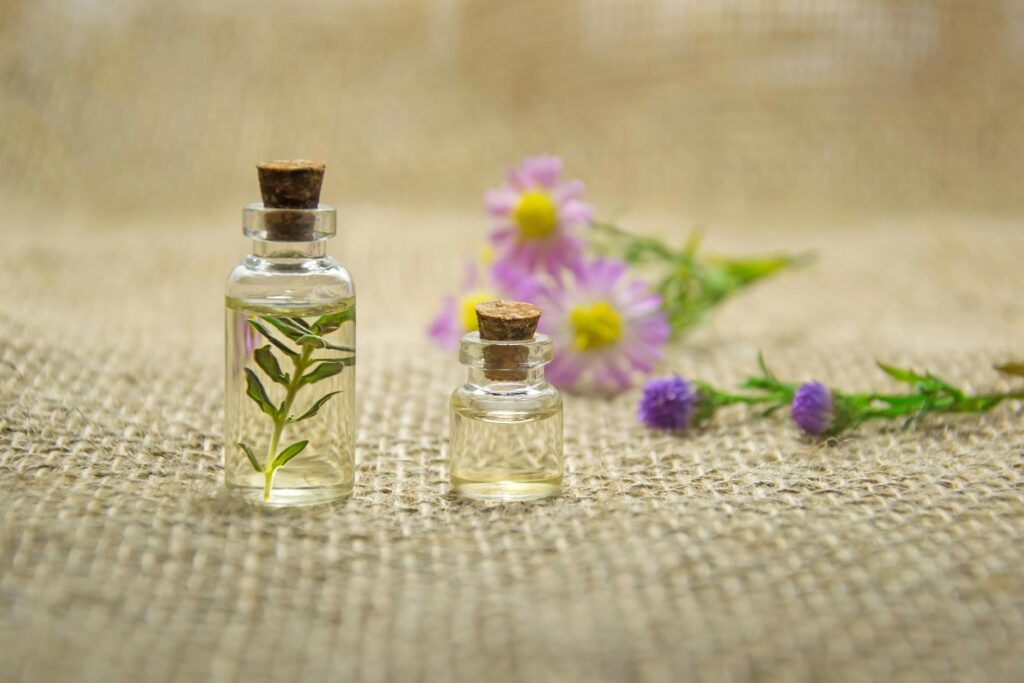
Properties and Uses of Safflower Oil
Introduction
Safflower oil, extracted from the seeds of the safflower plant (Carthamus tinctorius), has been valued for centuries for its various applications in cooking, cosmetics, and traditional medicine. Highly regarded for its light texture and high smoke point, safflower oil has gained popularity in contemporary culinary practices and natural health circles. This article delves into the properties and uses of safflower oil, providing a comprehensive overview of its benefits, applications, and safety considerations.
What Is Safflower Oil?
Safflower oil is derived from the seeds of the safflower plant, which is a member of the Asteraceae family. This annual plant produces vibrant yellow, orange, or red flowers, which can also be used for dyeing textiles. The oil is obtained through a process of cold pressing or refining, yielding a pale-yellow liquid with a mild flavor and aroma.
There are two main types of safflower oil: high-oleic and low-oleic. High-oleic safflower oil is rich in monounsaturated fats, making it particularly beneficial for heart health, while low-oleic safflower oil is higher in polyunsaturated fats. The choice between the two often depends on intended culinary or cosmetic applications.
Key Benefits and Properties
Safflower oil is celebrated for its unique composition, which includes:
1. Fatty Acids: The oil is primarily composed of fatty acids, including linoleic acid (an omega-6 fatty acid) and oleic acid (a monounsaturated fatty acid). These fatty acids contribute to the oil’s health benefits and make it suitable for various applications.
2. Vitamins: Safflower oil contains Vitamin E, a potent antioxidant that can help protect cells from oxidative stress. This vitamin also supports skin health and may aid in maintaining a youthful appearance.
3. Anti-inflammatory Properties: Some studies suggest that safflower oil may possess anti-inflammatory properties, which can support overall health and wellness.
4. Skin Moisturization: The oil is known for its emollient properties, making it an excellent moisturizing agent for the skin. It helps lock in moisture and can enhance skin texture.
Common Uses
Culinary Applications
Safflower oil is widely used in cooking due to its high smoke point (approximately 450°F or 232°C), which makes it suitable for frying, sautéing, and baking. Its light flavor allows it to be used in salad dressings, marinades, and dips without overpowering other ingredients. Additionally, it is often used as a base for infused oils and flavored oils.
Cosmetic Uses
Safflower oil is a popular ingredient in skincare products, including lotions, creams, and serums. Its moisturizing properties make it beneficial for individuals with dry or sensitive skin. It is easily absorbed, leaving no greasy residue, which makes it a favored choice for facial oils and body butters.
Hair Care
Due to its nourishing properties, safflower oil is used in hair care products to moisturize and strengthen hair. It can help improve hair texture and sheen, making it a common ingredient in conditioners and hair masks.
Aromatherapy Applications
While safflower oil is not typically used as an essential oil in aromatherapy, it can serve as a carrier oil for diluting essential oils before topical application. Its lightweight texture allows for easy absorption into the skin, making it an ideal choice for massage oils and skincare formulations.
When combined with essential oils, safflower oil can enhance the therapeutic properties of aromatherapy blends. Some popular essential oils that pair well with safflower oil include lavender, chamomile, and eucalyptus, each offering unique aromatic and therapeutic benefits.
Safety Considerations
Safflower oil is generally considered safe for most individuals when used appropriately. However, there are a few safety considerations to keep in mind:
1. Allergic Reactions: Although rare, some individuals may experience allergic reactions to safflower oil. It is advisable to perform a patch test before using the oil topically, especially for individuals with known allergies to plants in the Asteraceae family.
2. Dietary Considerations: Those with a sensitivity to omega-6 fatty acids should consult with a healthcare professional before incorporating safflower oil into their diet.
3. Pregnancy and Breastfeeding: Pregnant or breastfeeding individuals should consult a healthcare provider before using safflower oil, particularly in therapeutic doses.
4. Storage: To maintain the quality of safflower oil, it should be stored in a cool, dark place, away from direct sunlight and heat.
Storage and Shelf Life
Safflower oil has a shelf life of approximately six months to one year when stored properly. To extend its shelf life, it is essential to keep the oil in a tightly sealed container and store it in a cool, dark location. Exposure to light, heat, and air can cause the oil to oxidize and become rancid, diminishing its quality and effectiveness.
Frequently Asked Questions
1. Is safflower oil healthy for cooking?
Yes, safflower oil is considered a healthy option for cooking due to its high smoke point and favorable fatty acid profile. It is often used in various culinary applications, including frying and salad dressings.
2. Can safflower oil be used for skincare?
Absolutely! Safflower oil is a popular ingredient in skincare formulations due to its moisturizing and emollient properties. It is suitable for all skin types and can help improve overall skin texture.
3. Is safflower oil the same as sunflower oil?
While both oils are derived from seeds and share some similarities, they come from different plants. Safflower oil is extracted from the seeds of the safflower plant, whereas sunflower oil comes from sunflower seeds. Their fatty acid compositions and culinary applications may vary.
4. Can safflower oil be used in aromatherapy?
Safflower oil is primarily used as a carrier oil in aromatherapy to dilute essential oils for topical application. It can enhance the absorption of essential oils into the skin without overpowering their aromatic properties.
5. What is the difference between high-oleic and low-oleic safflower oil?
High-oleic safflower oil is rich in monounsaturated fats, while low-oleic safflower oil contains higher levels of polyunsaturated fats. The choice between the two often depends on dietary preferences and intended uses.
Conclusion
Safflower oil is a versatile and valuable oil with numerous applications in culinary, cosmetic, and aromatherapy practices. Its unique composition, rich in fatty acids and vitamins, offers various benefits for health and wellness. Whether used in cooking, skincare, or as a carrier oil in aromatherapy, safflower oil remains a popular choice for individuals seeking natural solutions for their daily needs. By understanding its properties and uses, individuals can make informed choices about incorporating safflower oil into their lifestyles.