
Properties and Uses of Sage Oil
Introduction
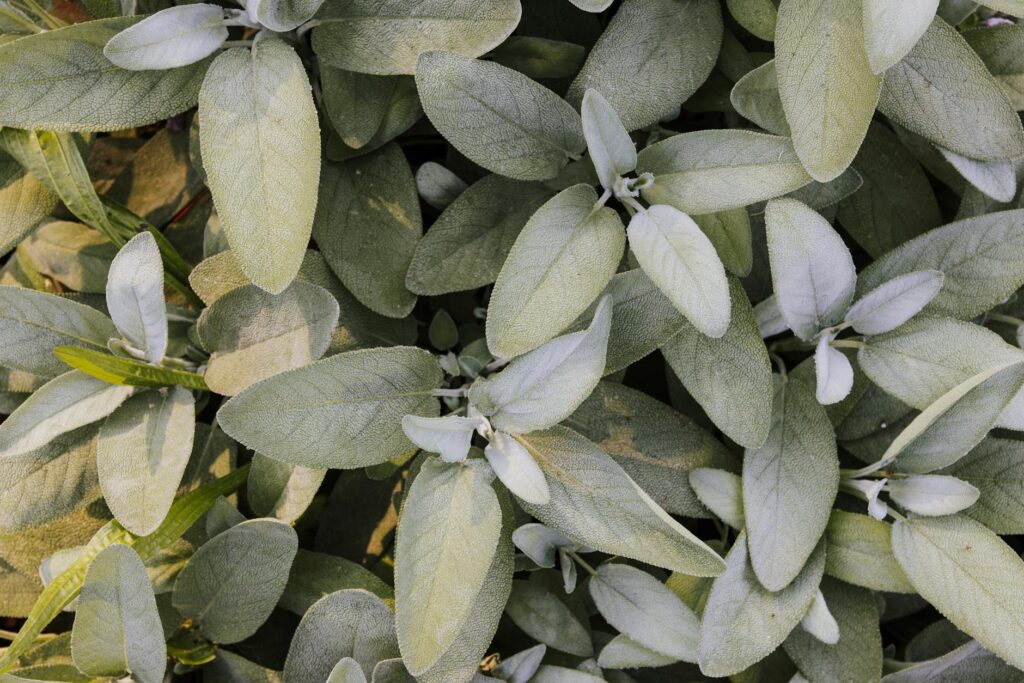
Sage oil, derived from the leaves of the Salvia officinalis plant, has been revered for centuries for its aromatic properties and diverse applications. This essential oil is extracted through steam distillation and possesses a rich history in both culinary and therapeutic contexts. As interest in natural remedies and holistic practices continues to grow, understanding the properties and uses of sage oil can provide valuable insights for enthusiasts and practitioners alike.
What Is Sage Oil?
Sage oil is an essential oil obtained from the common sage plant, which belongs to the Lamiaceae family. Known for its distinct earthy and slightly peppery aroma, sage oil is characterized by its high concentration of active compounds, such as thujone, camphor, and 1,8-cineole. The oil is often pale yellow to colorless and is celebrated for its versatility in various applications, ranging from culinary uses to aromatherapy practices.
Key Benefits and Properties
Sage oil is recognized for several key benefits and properties, which contribute to its popularity:
1. Antimicrobial Activity: Sage oil has demonstrated antimicrobial properties, making it a useful ingredient in natural cleaning products and personal care items.
2. Anti-inflammatory Effects: The oil may help reduce inflammation, which can be beneficial in managing various skin conditions and discomforts.
3. Mood Enhancement: The aroma of sage oil is often associated with uplifting and clarifying effects on the mind, making it a popular choice in aromatherapy.
4. Digestive Support: Traditionally, sage has been used to support digestive health, and its essential oil may assist in promoting digestive comfort.
5. Hormonal Balance: Some studies suggest that sage oil may have estrogenic properties, which could support hormonal balance, particularly during menopause.
6. Cognitive Function: The stimulating properties of sage oil may enhance memory and alertness, contributing to improved cognitive function.
Common Uses
Sage oil can be utilized in various ways, including:
- Culinary Uses: While sage oil is not commonly used in cooking due to its potency, it can be used as a flavoring agent in dressings, marinades, or infused oils.
- Personal Care Products: Its antimicrobial properties make sage oil an appealing addition to shampoos, soaps, and lotions.
- Home Fragrance: Sage oil can be used in diffusers, potpourri, or candles to create a calming ambiance.
- Household Cleaners: Its antimicrobial attributes lend sage oil to DIY cleaning solutions, helping to purify and freshen indoor spaces.
- Dilution: Essential oils are highly concentrated and should be diluted with a carrier oil before applying to the skin to avoid irritation.
- Pregnancy and Nursing: Pregnant or nursing individuals should consult a healthcare professional before using sage oil, as some compounds may not be suitable during these times.
- Allergic Reactions: Conduct a patch test before using sage oil topically to ensure there are no allergic reactions or sensitivities.
- Thujone Content: Sage oil contains thujone, which may be toxic in high doses. Therefore, it is essential to use it judiciously and avoid ingesting large quantities.
- Pre-existing Conditions: Individuals with certain health conditions, such as epilepsy or hormone-sensitive conditions, should seek guidance from a qualified practitioner before using sage oil.
- Container: Sage oil should be stored in a dark glass bottle to protect it from light exposure, which can degrade its quality over time.
- Cool Environment: Keep the oil in a cool, dry place, away from direct sunlight and heat sources. A refrigerator can be an excellent option for long-term storage.
- Shelf Life: When stored correctly, sage oil typically has a shelf life of 3 to 5 years. However, it is advisable to check for any changes in aroma or appearance before use, as this may indicate that the oil has degraded.
Aromatherapy Applications
In the realm of aromatherapy, sage oil is often employed for its soothing and uplifting properties. Here are some common applications:
1. Diffusion: Sage oil can be added to a diffuser to fill a room with its aromatic essence, promoting a serene environment conducive to relaxation and focus.
2. Massage: When diluted with a carrier oil, sage oil can be incorporated into massage blends, helping to relieve tension and enhance relaxation.
3. Bath: A few drops of sage oil can be added to bathwater for an invigorating and calming soak, enhancing the overall bathing experience.
4. Inhalation: Simple inhalation techniques, such as placing a few drops on a tissue or handkerchief, can help provide immediate mood enhancement and clarity.
5. Meditation: The grounding aroma of sage oil can be utilized during meditation practices, aiding concentration and mindfulness.
Safety Considerations
While sage oil is generally considered safe for use, some precautions should be observed:
Storage and Shelf Life
To maintain the integrity of sage oil, proper storage is crucial:
Frequently Asked Questions
1. Can sage oil be ingested?
While sage oil is used in culinary applications, it is highly concentrated and should not be ingested in large amounts. Always consult with a healthcare professional before considering internal use.
2. Is sage oil safe for children?
Essential oils should be used with caution around children. It is advisable to consult a healthcare professional for guidance on the safe use of sage oil with children.
3. How can I use sage oil for skin care?
Sage oil can be incorporated into skin care routines by diluting it with a carrier oil, such as jojoba or coconut oil. It may help in managing certain skin conditions, but a patch test should be performed to check for sensitivity.
4. What other essential oils blend well with sage oil?
Sage oil pairs well with various essential oils, including lavender, rosemary, cedarwood, and bergamot. These combinations can enhance the overall aromatic experience in diffusers or personal care products.
5. Where can I buy high-quality sage oil?
High-quality sage oil can be found at health food stores, specialty shops, or online retailers. It is essential to choose oils that are 100% pure and free from synthetic additives to ensure the best quality.
Conclusion
Sage oil is a versatile essential oil with a rich history and a myriad of applications. From its culinary uses to its benefits in aromatherapy and personal care, sage oil offers valuable properties that can enhance well-being and enrich daily life. However, it is crucial to use sage oil responsibly, observing safety precautions and ensuring proper storage to maintain its efficacy. As with any essential oil, understanding its properties and applications can empower individuals to make informed choices in their holistic practices.