
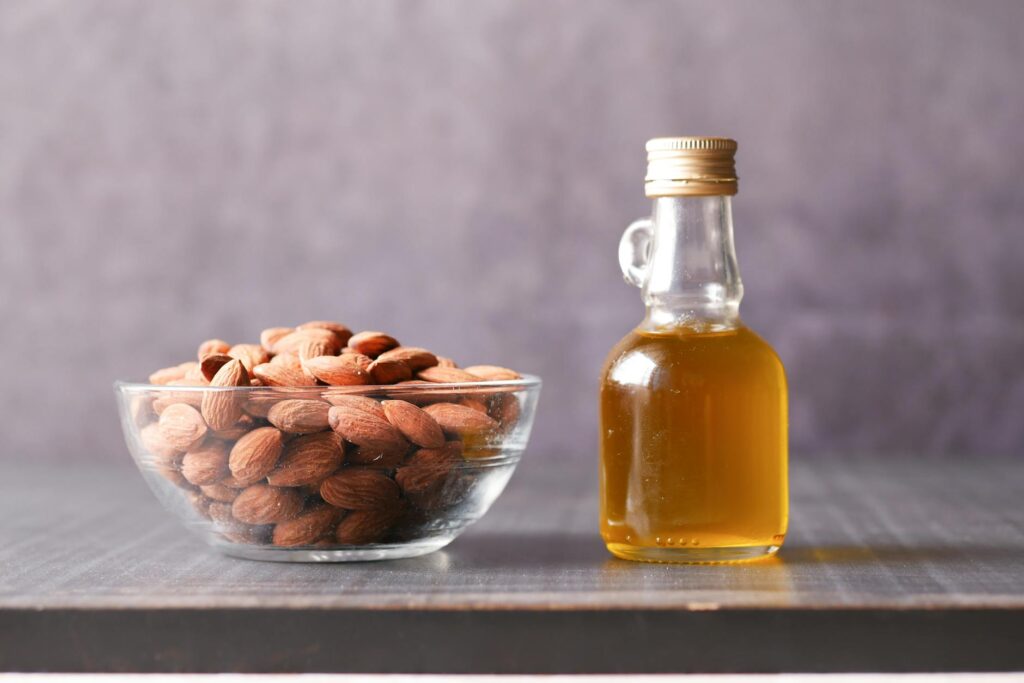
Properties and Uses of Sweet Almond Oil
Introduction
Sweet almond oil, derived from the seeds of the Prunus amygdalus dulcis, has been utilized for centuries in various cultures for its numerous beneficial properties. Known for its versatility and gentle nature, this oil is a staple in both culinary and cosmetic applications. In this article, we will explore what sweet almond oil is, its key benefits and properties, common uses, applications in aromatherapy, safety considerations, storage recommendations, and address frequently asked questions.
What Is Sweet Almond Oil?
Sweet almond oil is a pale yellow, light-textured oil extracted from the edible seeds of the sweet almond tree. The extraction process typically involves cold-pressing the seeds to retain their nutritional value and beneficial properties. It is rich in fatty acids, vitamins, and minerals, making it a popular choice in skincare, haircare, and culinary practices. Unlike bitter almond oil, which contains toxic compounds and is primarily used for medicinal purposes, sweet almond oil is safe for consumption and topical application.
Key Benefits and Properties
Sweet almond oil is celebrated for its numerous beneficial properties:
Nutrient-Rich Composition
1. Fatty Acids: The oil is predominantly composed of monounsaturated fatty acids, particularly oleic acid, which helps to nourish and moisturize the skin.
2. Vitamins: It is an excellent source of vitamin E, a powerful antioxidant that helps combat oxidative stress and supports skin health. It also contains vitamins A and B, which contribute to overall skin vitality.
3. Minerals: Magnesium, calcium, and potassium are among the minerals present in sweet almond oil, enhancing its nourishing profile.
Moisturizing Properties
Sweet almond oil is known for its emollient properties, meaning it can effectively soften and soothe the skin. It forms a protective barrier that locks in moisture, making it particularly beneficial for dry or sensitive skin types.
Anti-Inflammatory Effects
The oil has natural anti-inflammatory properties, which can help alleviate irritation and redness. This makes it suitable for conditions such as eczema and psoriasis, although it should not replace professional treatments.
Non-Comedogenic
Sweet almond oil is classified as non-comedogenic, meaning it is unlikely to clog pores. This quality makes it suitable for a wide range of skin types, including oily and acne-prone skin.
Common Uses
Sweet almond oil is utilized in various applications due to its gentle nature and beneficial properties:
Skincare
- Moisturizer: Sweet almond oil can be used as a standalone moisturizer or as an ingredient in creams and lotions.
- Makeup Remover: Its oily consistency allows it to effectively dissolve makeup while nourishing the skin.
- Massage Oil: The oil’s smooth texture makes it an excellent choice for massage therapy.
- Conditioner: Sweet almond oil can be applied to hair to enhance moisture and shine, reducing frizz and improving manageability.
- Scalp Treatment: Massaging sweet almond oil into the scalp can promote healthy hair growth and alleviate dryness.
- Lavender and Sweet Almond Oil: This combination promotes relaxation and calmness, making it ideal for use before bedtime.
- Peppermint and Sweet Almond Oil: A refreshing blend that can invigorate the senses and provide a cooling sensation.
- Tea Tree and Sweet Almond Oil: This blend can be beneficial for problematic skin, leveraging the antibacterial properties of tea tree oil.
- Topical Application: After blending with essential oils, the mixture can be applied directly to pulse points or areas of concern.
- Diffusion: While sweet almond oil itself is not typically diffused, it can be blended with essential oils for a subtle aroma when used in a diffuser.
- Cool, Dark Place: Store the oil in a cool, dark area away from direct sunlight and heat, as exposure can cause it to degrade.
- Tight-Sealed Container: Use a tightly sealed container to prevent oxidation and contamination.
Haircare
Culinary Uses
Sweet almond oil can be used in cooking and baking, adding a subtle nutty flavor to dishes. It is often used in salad dressings, marinades, and desserts.
Aromatherapy Applications
While sweet almond oil is not an essential oil, it serves as an effective carrier oil in aromatherapy. Its ability to dilute essential oils allows for safe topical application, enhancing the overall aromatherapy experience.
Blending with Essential Oils
Sweet almond oil can be blended with various essential oils to create personalized aromatherapy formulations. Here are some popular combinations:
Application Methods
Sweet almond oil can be applied in several ways within an aromatherapy context:
Safety Considerations
While sweet almond oil is generally considered safe for most individuals, a few safety considerations should be noted:
Allergies
Individuals with nut allergies should exercise caution. Although sweet almond oil is derived from a seed, those with sensitivities should consult with a healthcare professional before use.
Patch Test
Before using sweet almond oil on the skin, it is advisable to perform a patch test. Apply a small amount to a discreet area and observe for any adverse reactions over 24 hours.
Consultation with Professionals
Those with pre-existing skin conditions or concerns should consult a dermatologist or healthcare professional before incorporating sweet almond oil into their routine.
Storage and Shelf Life
To maintain the quality and efficacy of sweet almond oil, proper storage is essential:
Storage Conditions
Shelf Life
When stored correctly, sweet almond oil typically has a shelf life of around 1 to 2 years. Always check for any off odors or changes in color before use, as these may indicate that the oil has gone rancid.
Frequently Asked Questions
1. Can sweet almond oil be used on the face?
Yes, sweet almond oil is suitable for facial use due to its lightweight texture and non-comedogenic properties.
2. Is sweet almond oil suitable for all skin types?
While sweet almond oil is generally safe for most skin types, those with nut allergies should avoid it. Always perform a patch test before full application.
3. Can sweet almond oil be used in cooking?
Yes, sweet almond oil can be used in cooking and baking, providing a mild flavor to dishes. Ensure that you are using food-grade sweet almond oil for culinary purposes.
4. How can I incorporate sweet almond oil into my skincare routine?
Sweet almond oil can be used as a moisturizer, makeup remover, or mixed with other skincare products. It can also serve as a carrier oil for essential oils.
5. Can sweet almond oil help with hair growth?
While anecdotal evidence suggests that sweet almond oil may promote hair health, individual results may vary. It is best used as part of a broader hair care regimen.
Conclusion
Sweet almond oil is a versatile and beneficial oil that has found its place in both culinary and cosmetic practices worldwide. With its rich nutrient profile and gentle nature, it serves as an excellent moisturizer, hair conditioner, and carrier oil in aromatherapy. By understanding its properties and uses, individuals can effectively incorporate sweet almond oil into their daily routines, enhancing their overall well-being.