
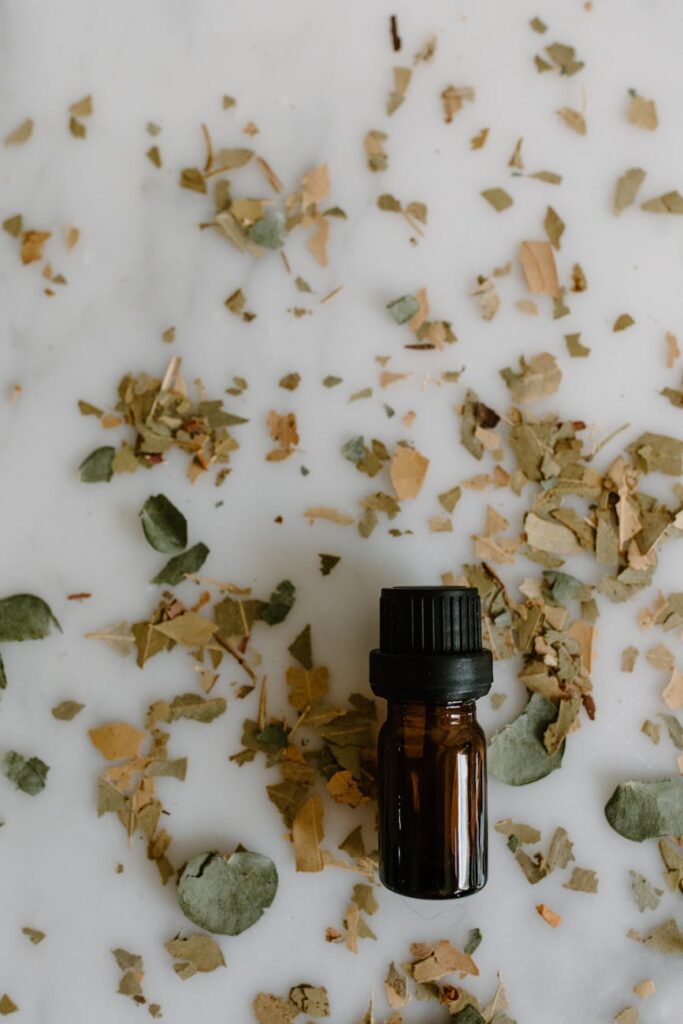
Properties and Uses of Tamanu Oil
Introduction
Tamanu oil, derived from the nuts of the Calophyllum inophyllum tree, has garnered attention in recent years for its diverse properties and applications. This oil, often referred to as “green gold,” is native to tropical regions of the Pacific Islands, Southeast Asia, and parts of Africa. Traditionally used by indigenous cultures, tamanu oil is now recognized worldwide for its beneficial qualities in skincare, haircare, and wellness. This article explores the characteristics, benefits, and various uses of tamanu oil, offering a comprehensive understanding of this versatile botanical extract.
What Is Tamanu Oil?
Tamanu oil is extracted from the nuts of the tamanu tree, which can grow up to 20 meters in height. The nuts are harvested, sun-dried, and then cold-pressed to yield the oil. The extraction process preserves the oil’s unique properties and ensures that its beneficial compounds remain intact. Tamanu oil has a rich, greenish-brown hue and a characteristic nutty aroma, making it a distinctive addition to various products.
The tamanu tree is known for its resilience and ability to thrive in harsh environments, which contributes to the oil’s robust profile. Traditionally, tamanu oil has been used by indigenous populations for its healing properties, particularly in treating skin ailments and promoting overall skin health.
Key Benefits and Properties
Tamanu oil is celebrated for its rich composition, which includes a variety of fatty acids, antioxidants, and other beneficial compounds. Some of its key properties include:
1. Anti-inflammatory Properties
Tamanu oil contains calophyllolide, a compound known for its anti-inflammatory effects. This makes it effective in soothing irritated skin and reducing redness and swelling.
2. Antioxidant Activity
Rich in antioxidants such as vitamin E and polyphenols, tamanu oil helps combat oxidative stress, protecting the skin from free radical damage that can contribute to premature aging.
3. Moisturizing Qualities
The oil’s fatty acid profile, including oleic and linoleic acids, contributes to its ability to hydrate and nourish the skin. This makes it an excellent choice for dry or dehydrated skin types.
4. Regeneration Properties
Tamanu oil is known for its ability to promote skin regeneration. It has been traditionally used to support wound healing and reduce the appearance of scars.
5. Antimicrobial Effects
Studies suggest that tamanu oil possesses antimicrobial properties, which may help in preventing infections in minor cuts and abrasions.
Common Uses
Tamanu oil is a versatile oil with a wide range of applications. Here are some common uses:
1. Skincare
Tamanu oil is often incorporated into skincare products for its moisturizing and healing properties. It can be used as a standalone oil or mixed with other carrier oils or essential oils. It is particularly beneficial for:
- Acne-prone Skin: Its antibacterial properties may help reduce breakouts.
- Dry Skin: Provides deep hydration, making it suitable for dry patches or eczema.
- Scar Treatment: Regular application can help diminish the appearance of scars and stretch marks.
- Nourish Dry Hair: Provides hydration and helps to combat frizz.
- Sooth Scalp Irritation: Its anti-inflammatory properties can alleviate scalp issues.
2. Haircare
Tamanu oil can be applied to hair and scalp to enhance moisture and shine. It is often used to:
3. Massage Oil
Tamanu oil’s smooth texture and pleasant aroma make it a popular choice for massage blends. It can enhance the massage experience while providing skin benefits.
4. Sunscreen
While not a replacement for conventional sunscreen, tamanu oil may offer some level of protection against UV rays due to its antioxidant content. However, it is best used in conjunction with appropriate sun protection measures.
Aromatherapy Applications
In aromatherapy, tamanu oil is typically used for its skin benefits rather than its scent, as it has a subtle, nutty aroma. However, it can be combined with essential oils to enhance its properties. Some common aromatherapy applications include:
1. Skin Balancing Blends
Combining tamanu oil with essential oils such as tea tree or lavender can create effective blends for acne-prone skin.
2. Relaxation and Stress Relief
When mixed with calming essential oils like chamomile or bergamot, tamanu oil can be used in massage or topical applications to promote relaxation.
3. Custom Skincare Formulations
Tamanu oil serves as an excellent carrier oil for essential oils, allowing users to create personalized skincare solutions tailored to their specific needs.
Safety Considerations
While tamanu oil is generally regarded as safe for topical use, there are a few safety considerations to keep in mind:
1. Patch Test
Before using tamanu oil, particularly for the first time, it is advisable to perform a patch test. Apply a small amount of oil to a discreet area of skin and wait 24 hours to check for any adverse reactions.
2. Allergies
Individuals with nut allergies should exercise caution, as tamanu oil is derived from a nut. Consulting a healthcare professional before use is recommended for those with known sensitivities.
3. Pregnancy and Nursing
Pregnant or nursing individuals should consult with a healthcare provider before using tamanu oil, especially in concentrated forms.
4. Dilution
When using tamanu oil in aromatherapy applications, it is best to dilute it with a carrier oil to avoid potential skin irritation.
Storage and Shelf Life
To maintain the quality and efficacy of tamanu oil, proper storage is essential:
1. Cool, Dark Place
Store tamanu oil in a cool, dark place, away from direct sunlight and heat. A cabinet or cupboard is ideal.
2. Tightly Sealed Container
Ensure the oil is stored in a tightly sealed container to minimize oxidation and contamination.
3. Shelf Life
When stored correctly, tamanu oil typically has a shelf life of 1 to 2 years. Regularly check for any changes in color, odor, or consistency, which may indicate spoilage.
Frequently Asked Questions
1. Can tamanu oil be used on all skin types?
Yes, tamanu oil is suitable for most skin types due to its moisturizing and regenerative properties. However, those with specific allergies or sensitivities should conduct a patch test first.
2. Is tamanu oil effective for acne?
Tamanu oil may help reduce acne due to its anti-inflammatory and antimicrobial properties. Mixing it with other acne-fighting essential oils can enhance its effectiveness.
3. Can tamanu oil be used in cooking?
Tamanu oil is primarily used for topical applications and is not recommended for culinary use.
4. Where can I purchase tamanu oil?
Tamanu oil is widely available at health food stores, specialty skincare shops, and online retailers. Ensure that you choose a high-quality, cold-pressed version for the best results.
5. Can tamanu oil be used during pregnancy?
While tamanu oil is generally safe for topical use, pregnant individuals should consult with a healthcare provider before using it, particularly in concentrated forms.
Conclusion
Tamanu oil is a remarkable natural oil with a rich history of use in traditional medicine and skincare. Its diverse properties make it suitable for a wide range of applications, from skincare to haircare and aromatherapy. As interest in natural and holistic wellness continues to grow, tamanu oil stands out as an effective and versatile option for those seeking to enhance their beauty and self-care routines. By understanding its properties and uses, individuals can make informed decisions on how to incorporate tamanu oil into their daily lives.