
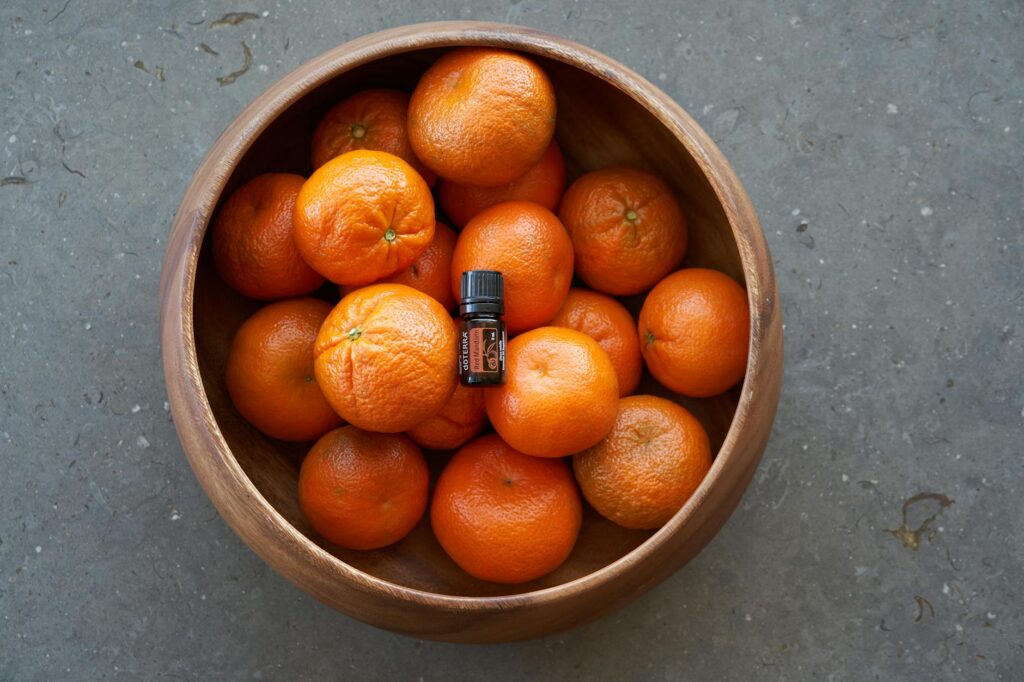
Properties and Uses of Tangerine Oil
Introduction
Tangerine oil, derived from the peel of the tangerine fruit (Citrus reticulata), has gained popularity in recent years due to its refreshing aroma and versatile applications. Known for its bright, citrusy scent, this essential oil is not only a favorite in aromatherapy but also finds its way into various household products, skincare formulations, and culinary uses. This article provides an in-depth exploration of tangerine oil, including its properties, benefits, common uses, and safety considerations.
What Is Tangerine Oil?
Tangerine oil is extracted through cold pressing the peel of the tangerine fruit, a member of the citrus family. The tangerine tree is characterized by its small size and fragrant white flowers. The oil has a light, sweet, and zesty aroma that can uplift the mood and create a sense of warmth. Tangerine oil is often used interchangeably with mandarin oil, but each has subtle differences in their aroma profiles and chemical compositions.
The primary components of tangerine oil include limonene, gamma-terpinene, and alpha-pinene, among others. These compounds contribute to the oil’s distinct scent and therapeutic properties, making it a valuable addition to various applications.
Key Benefits and Properties
Tangerine oil is celebrated for its numerous benefits and properties, including:
1. Mood Enhancer
The uplifting aroma of tangerine oil is known to promote feelings of happiness and relaxation. Its sweet scent can alleviate stress and anxiety, making it a popular choice for diffusers and personal inhalers.
2. Antioxidant Properties
Rich in antioxidants, tangerine oil can help combat oxidative stress in the body. Antioxidants are important for neutralizing free radicals, which can damage cells and contribute to aging and various health issues.
3. Antimicrobial Effects
Tangerine oil has demonstrated potential antimicrobial properties. It may help inhibit the growth of certain bacteria and fungi, making it a useful ingredient in natural cleaning products and personal care formulations.
4. Digestive Support
While not a substitute for medical treatment, the aroma of tangerine oil is often used to support digestive health by easing feelings of nausea and promoting appetite.
5. Skin Care Benefits
Tangerine oil has been used in cosmetic formulations for its potential skin benefits. It may help brighten skin tone and improve the appearance of blemishes due to its astringent properties.
Common Uses
Tangerine oil is versatile and can be utilized in various settings, including:
1. Aromatherapy
In aromatherapy, tangerine oil is commonly diffused or inhaled to uplift the spirit and reduce stress. It can be combined with other essential oils, such as lavender or bergamot, to create custom blends.
2. Culinary Applications
Tangerine oil can be used as a flavoring agent in culinary creations. A few drops can enhance the flavor of desserts, beverages, and marinades, imparting a refreshing citrus twist.
3. Cleaning Products
Thanks to its antimicrobial properties, tangerine oil is often incorporated into natural cleaning solutions. It can help to disinfect surfaces while leaving a pleasant scent.
4. Cosmetics and Skincare
Tangerine oil is found in various cosmetics and skincare products. It may be included in formulations for its fragrance and potential skin benefits, such as toners, serums, and lotions.
5. Household Deodorizer
The refreshing aroma of tangerine oil makes it an excellent natural deodorizer for the home. It can be added to potpourri, homemade air fresheners, or simply diffused to freshen the air.
Aromatherapy Applications
In aromatherapy, tangerine oil can be used in various ways:
Diffusion
Add a few drops of tangerine oil to an essential oil diffuser or a bowl of hot water to fill the room with its uplifting scent. This method can create a calming atmosphere, especially in spaces where relaxation is desired.
Topical Application
When diluted with a carrier oil, tangerine oil can be applied to the skin. It is essential to perform a patch test beforehand to ensure there are no adverse reactions. This method is often used to promote skin health and provide a refreshing scent.
Inhalation
Inhalation can be done by adding a few drops of tangerine oil to a tissue or cotton ball and breathing in the aroma. This method is particularly useful for quickly alleviating feelings of stress or anxiety.
Bath Additive
Adding a few drops of tangerine oil to a warm bath can create an aromatic experience, helping to unwind and relax after a long day.
Safety Considerations
While tangerine oil is generally considered safe for use, it is important to keep the following safety considerations in mind:
1. Photosensitivity
Tangerine oil may cause photosensitivity, leading to increased risk of sunburn when applied to the skin and exposed to sunlight. It is advisable to avoid sun exposure for at least 12 hours after topical application.
2. Dilution
Always dilute tangerine oil with a carrier oil before applying it to the skin. This helps to minimize the risk of irritation and allergic reactions.
3. Patch Test
Conduct a patch test prior to widespread use to check for any adverse reactions. Apply a small amount of diluted oil to an inconspicuous area and wait 24 hours to observe any reactions.
4. Consultation
If you are pregnant, nursing, or have underlying health conditions, it is advisable to consult a qualified healthcare professional before using essential oils.
Storage and Shelf Life
Proper storage is crucial for maintaining the quality and efficacy of tangerine oil. Here are some tips:
1. Cool, Dark Place
Store tangerine oil in a cool, dark place away from direct sunlight and heat. Exposure to light and heat can degrade the oil and diminish its therapeutic properties.
2. Tightly Sealed Containers
Keep tangerine oil in tightly sealed, dark glass containers to prevent oxidation. Essential oils can react with air and light, leading to degradation over time.
3. Shelf Life
When stored correctly, tangerine oil typically has a shelf life of about 1 to 2 years. It is advisable to check for any changes in aroma or consistency before use.
Frequently Asked Questions
1. Can tangerine oil be ingested?
While tangerine oil is used in culinary applications, it is important to use food-grade oils and consult reliable sources before ingestion. Not all essential oils are suitable for consumption.
2. Is tangerine oil safe for children?
Tangerine oil can be used with caution for children over the age of two. Always dilute the oil appropriately and conduct a patch test.
3. Can I use tangerine oil for my pets?
Essential oils can be harmful to pets. It is advisable to consult a veterinarian before using tangerine oil or any essential oil around animals.
4. How can I use tangerine oil in a massage?
Tangerine oil can be added to a carrier oil for massage. It can enhance relaxation and provide a pleasant aroma during the experience.
5. What other essential oils blend well with tangerine oil?
Tangerine oil blends well with other citrus oils, such as lemon and grapefruit, as well as floral oils like lavender and geranium, creating harmonious and uplifting combinations.
Conclusion
Tangerine oil is a delightful essential oil with a multitude of properties and applications. Its uplifting aroma and potential benefits make it a valuable addition to aromatherapy, skincare, and culinary practices. While tangerine oil can enhance well-being and promote relaxation, it is essential to use it safely and responsibly. By understanding its properties and uses, individuals can maximize the benefits of this fragrant oil in their daily lives.