
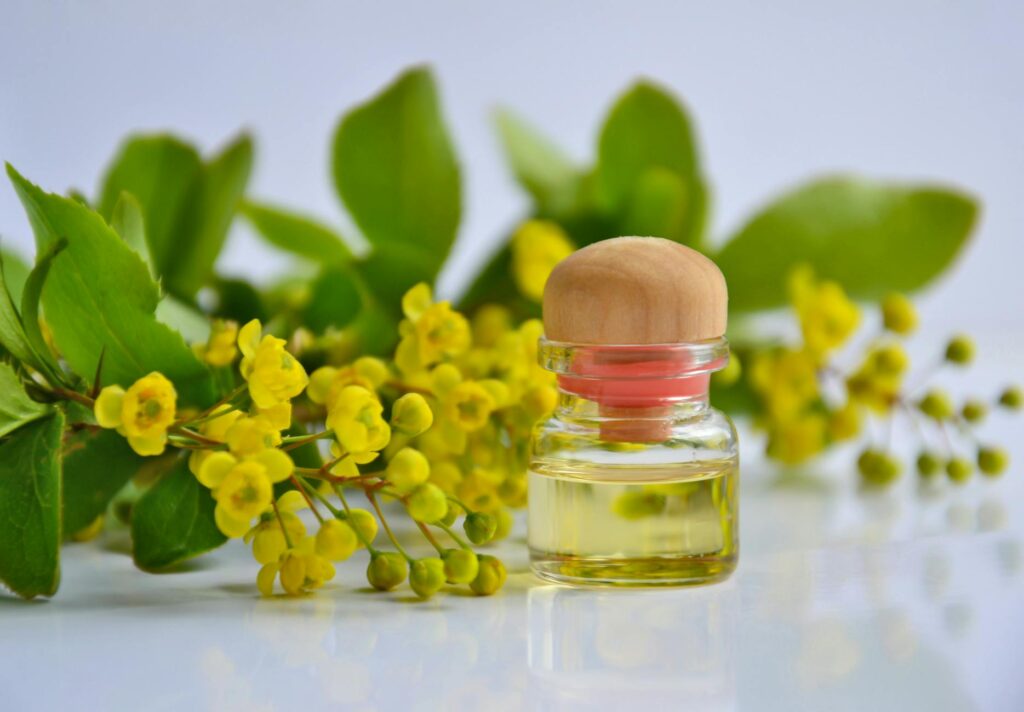
Properties and Uses of Thyme Oil
Introduction
Thyme oil, derived from the leaves and flowering tops of the Thymus vulgaris plant, has long been cherished for its aromatic and therapeutic properties. This essential oil is not only a staple in culinary practices but also holds significant importance in aromatherapy and natural wellness. In this article, we will explore the properties, benefits, and various applications of thyme oil, along with safety considerations and storage tips.
What Is Thyme Oil?
Thyme oil is an essential oil obtained through steam distillation of the fresh or dried leaves and flowering tops of the thyme plant. This perennial herb, belonging to the mint family (Lamiaceae), is native to the Mediterranean region but is now cultivated in various parts of the world. The oil is known for its distinctive earthy and herbaceous aroma, which can vary depending on the specific chemotype of the plant. Common chemotypes include thymol and carvacrol, each with unique characteristics and potential uses.
Key Benefits and Properties
Thyme oil boasts a plethora of beneficial properties, making it a versatile essential oil in both aromatherapy and natural remedies. Some key properties include:
1. Antimicrobial Activity: Thyme oil is well-regarded for its potent antimicrobial properties, which can help inhibit the growth of various bacteria, fungi, and viruses. This makes it a popular choice for natural cleaning solutions and personal care products.
2. Antioxidant Effects: The oil contains several compounds with antioxidant properties, which can help combat oxidative stress and promote overall wellness.
3. Anti-inflammatory Benefits: Thyme oil may possess anti-inflammatory properties, which can be beneficial in soothing minor irritations and promoting skin health.
4. Respiratory Support: The oil’s warm and spicy aroma is often associated with respiratory relief, making it a common choice for chest rubs and inhalation blends.
5. Mood Enhancer: The invigorating scent of thyme oil may help uplift mood and alleviate feelings of fatigue or stress, making it a valuable addition to aromatherapy practices.
Common Uses
Thyme oil has a wide range of applications across various domains, including:
1. Culinary Uses: Thyme oil can be used sparingly in cooking to impart flavor to dishes. It pairs well with meats, vegetables, and sauces, enhancing the overall taste profile.
2. Natural Cleaning Products: Due to its antimicrobial properties, thyme oil is often added to homemade cleaning solutions. It can effectively disinfect surfaces while leaving a pleasant aroma.
3. Skincare: Thyme oil can be incorporated into skincare products for its potential benefits in promoting clear skin. It is often diluted with a carrier oil before application to avoid irritation.
4. Hair Care: This essential oil may also be used in hair care formulations to promote scalp health and strengthen hair.
5. Insect Repellent: Thyme oil’s strong scent is known to repel certain insects, making it a natural alternative for pest control.
Aromatherapy Applications
In the realm of aromatherapy, thyme oil is often utilized for its uplifting and clarifying properties. Here are some common ways to use thyme oil in aromatherapy:
1. Diffusion: Adding a few drops of thyme oil to a diffuser can create an invigorating atmosphere, promoting alertness and focus. It can be combined with other essential oils like lavender or eucalyptus for enhanced effects.
2. Inhalation: Inhaling thyme oil directly from the bottle or from a tissue can provide quick relief for respiratory discomfort.
3. Topical Application: When diluted with a carrier oil, thyme oil can be massaged into the skin for localized benefits. Common areas of application include the chest and back for respiratory support or on sore muscles for its potential anti-inflammatory effects.
4. Bathing: Adding thyme oil to a warm bath can create a soothing and aromatic experience, helping to relax both the body and mind.
Safety Considerations
While thyme oil is generally considered safe for most people when used appropriately, it is important to follow certain guidelines to ensure safe usage:
1. Dilution: Always dilute thyme oil with a carrier oil before applying it to the skin to minimize the risk of irritation. A common dilution ratio is 2-3 drops of essential oil per teaspoon of carrier oil.
2. Patch Test: Prior to widespread use, perform a patch test by applying a small amount of diluted oil to a small area of skin to check for any adverse reactions.
3. Pregnancy and Nursing: Pregnant or nursing individuals should consult with a healthcare professional before using thyme oil or any essential oils.
4. Children and Pets: Use caution when using thyme oil around young children and pets. It is advisable to consult with a qualified professional regarding safe usage in these cases.
5. Medical Conditions: Individuals with specific health conditions or those taking medications should seek guidance from a healthcare professional before incorporating thyme oil into their regimen.
Storage and Shelf Life
To preserve the quality and efficacy of thyme oil, proper storage is essential:
1. Container: Store thyme oil in a dark glass bottle to protect it from light degradation.
2. Temperature: Keep the oil in a cool, dry place, away from direct sunlight and heat sources.
3. Shelf Life: When stored correctly, thyme oil typically has a shelf life of 1-3 years. Always check for any changes in aroma or color, which may indicate that the oil has degraded.
Frequently Asked Questions
1. Can thyme oil be ingested?
While thyme oil can be used in small amounts in cooking, ingestion should generally be avoided unless under the guidance of a qualified professional. Essential oils are highly concentrated and may cause adverse effects if consumed improperly.
2. Is thyme oil safe for all skin types?
Thyme oil may cause irritation for individuals with sensitive skin. Always perform a patch test before widespread application and consider dilution with a carrier oil.
3. Can thyme oil be used in a diffuser?
Yes, thyme oil can be used in a diffuser to enhance the ambiance of a space. It can be blended with other essential oils for a more complex aroma.
4. What are some popular blends with thyme oil?
Thyme oil blends well with other essential oils such as lavender, rosemary, eucalyptus, and lemon, creating a harmonious and balanced scent profile.
5. How can I tell if my thyme oil has gone bad?
Signs that thyme oil may have degraded include changes in color, a rancid or off-putting smell, or a thickened consistency. If any of these changes occur, it is advisable to discard the oil.
Conclusion
Thyme oil is a remarkable essential oil with a rich history of use in culinary, therapeutic, and aromatic applications. Its numerous benefits, ranging from antimicrobial and antioxidant properties to mood enhancement, make it a valuable addition to any natural wellness toolkit. However, as with all essential oils, it is vital to use thyme oil responsibly and with appropriate safety measures in place. By understanding its properties and uses, you can harness the potential of thyme oil in your daily life, contributing to a holistic approach to health and well-being.