
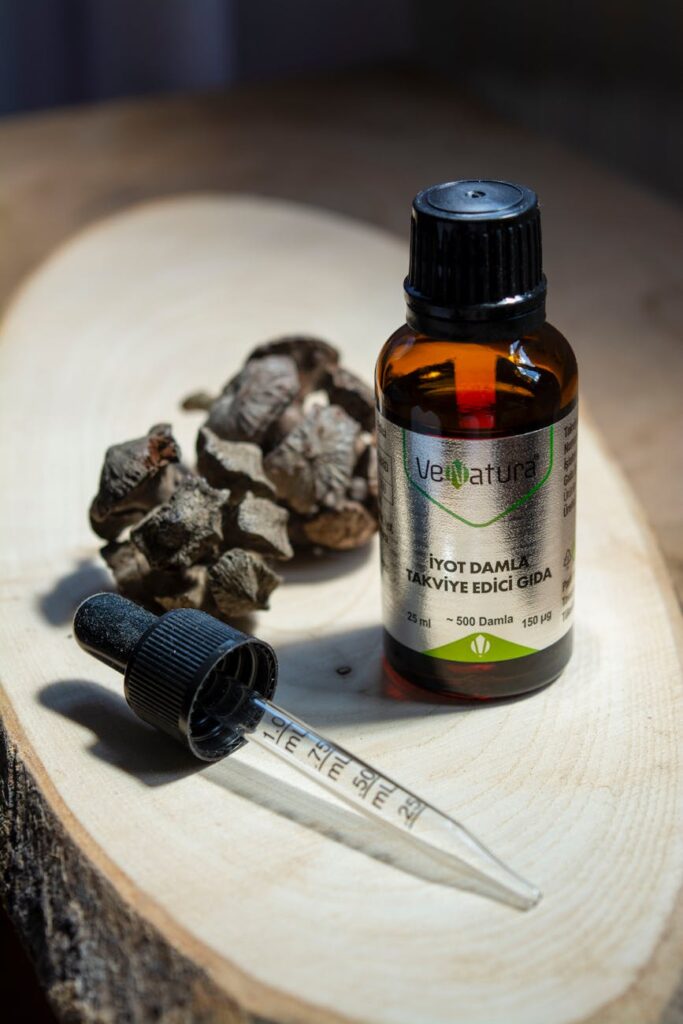
Properties and Uses of Walnut Oil
Introduction
Walnut oil, extracted from the seeds of the walnut tree (Juglans regia), is a versatile oil known for its rich flavor, nutritional benefits, and diverse applications in cosmetic and therapeutic contexts. This article explores the properties, benefits, and various uses of walnut oil, providing a comprehensive understanding of its significance in both culinary and aromatherapy practices.
What Is Walnut Oil?
Walnut oil is derived from the cold-pressing of walnut seeds, resulting in a richly flavored oil that is typically light amber in color. It is distinguished by its nutty aroma and is often used in culinary applications, particularly in salad dressings, marinades, and as a finishing oil. Beyond its culinary uses, walnut oil is valued in the health and beauty industries for its nourishing properties.
The primary composition of walnut oil includes monounsaturated fatty acids, polyunsaturated fatty acids, and omega-3 fatty acids, making it a nutrient-rich oil. Additionally, it contains various vitamins and minerals, such as vitamin E and antioxidants, which contribute to its health benefits.
Key Benefits and Properties
Nutritional Profile
Walnut oil boasts a plethora of healthful components:
- Omega-3 Fatty Acids: Walnut oil is one of the few plant-based oils rich in alpha-linolenic acid (ALA), a type of omega-3 fatty acid that supports heart health and may reduce inflammation.
- Antioxidants: The presence of antioxidants, including vitamin E, helps combat oxidative stress in the body, contributing to overall wellness.
- Monounsaturated and Polyunsaturated Fats: These healthy fats can aid in lowering bad cholesterol levels and improving heart health.
- Moisturize: Its absorption qualities make it effective in hydrating the skin.
- Nourish: The oil is rich in essential fatty acids that can promote skin health and improve the appearance of dry or damaged skin.
- Soothing: Walnut oil may provide relief for irritated skin, making it suitable for sensitive skin types.
- Strengthening: The fatty acids in walnut oil can help strengthen hair, reducing breakage and promoting healthy growth.
- Shine: Application of walnut oil can add a natural shine to hair, enhancing its appearance.
- Scalp Health: Its moisturizing properties can also support scalp health by preventing dryness and flakiness.
- Salad Dressings: Its nutty taste makes walnut oil an excellent base for vinaigrettes and dressings.
- Marinades: It can enhance the flavor of meats and vegetables when used in marinades.
- Finishing Oil: Drizzling walnut oil over finished dishes adds depth and richness.
- Moisturizers: It is included in lotions and creams for its hydrating properties.
- Hair Treatments: Walnut oil can be found in shampoos and conditioners designed to nourish and protect hair.
- Massage Oils: Its smooth texture makes it a popular choice for massage blends.
- Lavender: For relaxation and stress relief.
- Peppermint: To invigorate and refresh.
- Tea Tree: For its antibacterial properties.
- Allergies: People with nut allergies should avoid walnut oil, as it may trigger allergic reactions.
- Skin Sensitivity: A patch test is recommended before applying walnut oil topically to ensure no adverse reactions occur.
- Quality: Always opt for high-quality, cold-pressed walnut oil to maximize its benefits and avoid any harmful additives.
- Cool, Dark Place: Store walnut oil in a cool, dark place, away from direct sunlight and heat, to prevent oxidation.
- Refrigeration: For extended shelf life, particularly in warmer climates, refrigerating walnut oil can help preserve its flavor and nutritional properties.
- Shelf Life: Typically, walnut oil can last up to 12 months if stored properly, but it is advisable to check for any off smells or changes in appearance before use.
Skin Benefits
Walnut oil is often incorporated into skincare products due to its emollient properties. It can help:
Hair Benefits
The nourishing properties of walnut oil extend to hair care as well:
Common Uses
Culinary Uses
Walnut oil is celebrated in the culinary world for its unique flavor profile. Some common uses include:
Cosmetic Applications
In the realm of cosmetics and personal care, walnut oil is often found in:
Aromatherapy Applications
While walnut oil is not typically used as a carrier oil in aromatherapy, it can be blended with essential oils to create customized massage oils or skin care products. The following are key points regarding its role in aromatherapy:
Blending with Essential Oils
Walnut oil can be combined with various essential oils to enhance their therapeutic effects. Popular essential oils that pair well include:
Massage Therapy
In massage therapy, walnut oil can be utilized to promote relaxation and ease muscle tension. Its emollient properties allow for smooth application, making it effective for various massage techniques.
Safety Considerations
While walnut oil is generally safe for most individuals, it is essential to take certain precautions:
Storage and Shelf Life
To maintain the quality and freshness of walnut oil, proper storage is essential:
Frequently Asked Questions
1. Is walnut oil suitable for cooking?
Yes, walnut oil is suitable for cooking, particularly in dressings and marinades. However, it is recommended to use it as a finishing oil rather than for high-heat cooking, as excessive heat can degrade its flavor and nutritional properties.
2. Can walnut oil be used on all skin types?
Walnut oil is generally suitable for most skin types, although individuals with nut allergies or sensitive skin should perform a patch test before use. Its moisturizing properties can benefit dry and combination skin types.
3. How does walnut oil compare to other oils?
Walnut oil is unique due to its high omega-3 fatty acid content compared to other cooking oils. It also offers a distinct flavor that sets it apart from more neutral oils like canola or vegetable oil.
4. Can walnut oil help with hair growth?
While walnut oil can strengthen hair and improve its overall health, there is limited scientific evidence to suggest that it directly promotes hair growth. Regular use may, however, lead to healthier hair due to its nourishing properties.
5. Where can I purchase walnut oil?
Walnut oil is widely available at health food stores, specialty grocery stores, and online retailers. When purchasing, look for organic, cold-pressed options to ensure the highest quality.
Conclusion
Walnut oil is a multifaceted oil with a broad range of applications, from culinary delights to skin and hair care. Its rich nutritional profile and beneficial properties make it a valuable addition to both diet and personal care routines. By understanding walnut oil’s benefits, uses, and safety considerations, individuals can make informed choices to incorporate this natural oil into their lifestyles effectively. Whether enjoyed in a salad dressing or used as part of a skincare regimen, walnut oil proves to be an enriching addition to everyday health and wellness practices.