
Properties and Uses of Ylang Ylang Oil
Introduction
Ylang ylang oil, derived from the fragrant flowers of the Cananga odorata tree, has been cherished for centuries for its enchanting aroma and potential therapeutic properties. Hailing from tropical regions of Southeast Asia, particularly Indonesia, the oil has made its way into various cultures, from traditional medicine to modern aromatherapy practices. This article delves into the properties, uses, and safety considerations of ylang ylang oil, providing a comprehensive understanding of this versatile essential oil.
What Is Ylang Ylang Oil?
Ylang ylang oil is extracted from the yellow, star-shaped flowers of the cananga tree. The name “ylang ylang” is derived from the Tagalog term “ilang-ilang,” which means “flower of flowers.” The oil is typically obtained through steam distillation, with the initial distillate being the most fragrant and valuable. The grade of ylang ylang oil can vary, with different distillation times leading to distinct scents and properties.
The oil is rich in various chemical compounds, including linalool, germacrene D, and beta-caryophyllene, which contribute to its characteristic fragrance and potential benefits. The oil’s scent is often described as sweet, floral, and slightly fruity, making it a popular ingredient in perfumes and cosmetics.
Key Benefits and Properties
Ylang ylang oil is renowned for its diverse range of properties, some of which include:
1. Mood Enhancer: The sweet, floral scent of ylang ylang is often associated with mood-lifting qualities. It is believed to promote feelings of joy and relaxation, making it a popular choice in aromatherapy.
2. Antimicrobial Properties: Preliminary studies suggest that ylang ylang oil may possess antimicrobial properties, potentially aiding in the inhibition of certain bacteria and fungi.
3. Anti-inflammatory Effects: Some research indicates that ylang ylang oil may exhibit anti-inflammatory properties, although more studies are needed to establish its efficacy.
4. Stress Relief: The calming properties of ylang ylang oil make it an effective option for stress relief. Its soothing aroma can help alleviate feelings of anxiety and tension.
5. Hormonal Balance: Traditionally, ylang ylang has been used to support hormonal balance, particularly related to reproductive health. Its potential effects on the endocrine system are still being studied.
Common Uses
Ylang ylang oil is utilized in various domains, including:
- Perfumes and Cosmetics: Due to its captivating fragrance, ylang ylang is a popular ingredient in perfumes, lotions, and other beauty products.
- Massage Oils: When diluted with a carrier oil, ylang ylang can be used in massage therapies to promote relaxation and enhance the overall experience.
- Candles and Incense: The oil is often used in candles and incense for its aromatic qualities, contributing to a calming atmosphere in homes and spas.
- Skincare: Ylang ylang oil is sometimes included in skincare formulations due to its potential benefits for the skin, such as hydration and balancing oily skin.
- Dilution: Always dilute ylang ylang oil with a carrier oil before applying it to the skin to avoid irritation.
- Skin Sensitivity: Conduct a patch test before using ylang ylang oil topically to ensure no adverse reactions occur.
- Pregnancy and Breastfeeding: Pregnant or breastfeeding individuals should consult a healthcare professional before using ylang ylang oil, as its effects during pregnancy and lactation are not well studied.
- Allergies: Individuals with allergies to flowers in the Annonaceae family should exercise caution, as they may be more prone to allergic reactions.
- Interactions with Medications: If you are taking medications or have a health condition, it is advisable to consult with a healthcare provider before incorporating ylang ylang oil into your routine.
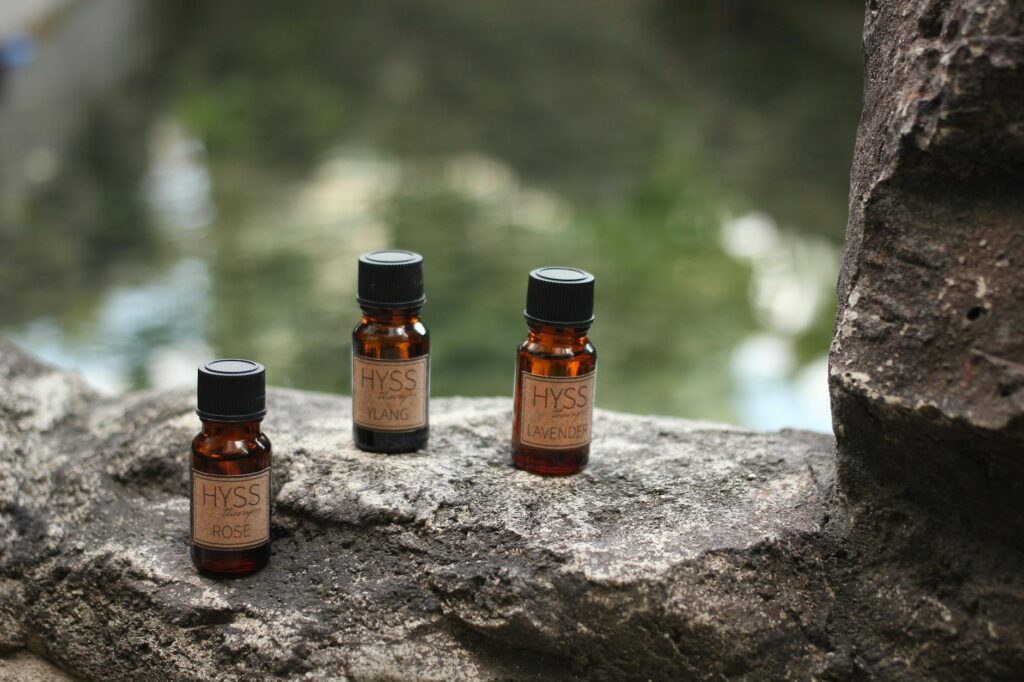
- Dark Glass Bottle: Store the oil in a dark glass bottle to protect it from light, which can degrade its quality over time.
- Cool, Dry Place: Keep the oil in a cool, dry place, away from direct sunlight and heat sources.
- Shelf Life: Ylang ylang oil generally has a shelf life of 3 to 5 years, depending on storage conditions. If the oil develops an off smell, it is advisable to discard it.
Aromatherapy Applications
In aromatherapy, ylang ylang oil is typically used in several ways, including:
1. Diffusion: Adding a few drops of ylang ylang oil to a diffuser can create a relaxing ambiance, ideal for meditation or unwinding after a long day.
2. Inhalation: Inhaling the scent directly from the bottle or using an aromatic inhaler can provide quick mood-lifting benefits.
3. Topical Application: When diluted with a carrier oil, ylang ylang oil can be applied to pulse points or areas of tension to promote relaxation.
4. Bath Additive: Adding ylang ylang oil to a warm bath can enhance the experience with its aromatic properties, providing both physical and mental relaxation.
5. Blending: Ylang ylang oil blends well with other essential oils, such as bergamot, lavender, and sandalwood, allowing for the creation of custom scents and therapeutic blends.
Safety Considerations
While ylang ylang oil is generally regarded as safe for most individuals, it is essential to consider the following safety guidelines:
Storage and Shelf Life
To maintain its quality and potency, ylang ylang oil should be stored properly:
Frequently Asked Questions
1. How is ylang ylang oil used in aromatherapy?
Ylang ylang oil can be used in diffusers, inhalation, topical applications, baths, and blending with other essential oils.
2. What does ylang ylang oil smell like?
Ylang ylang oil has a sweet, floral, and slightly fruity aroma, often described as exotic and intoxicating.
3. Is ylang ylang oil safe for all skin types?
While generally safe, ylang ylang oil should always be diluted with a carrier oil for topical use, and a patch test is recommended to check for sensitivity.
4. Can ylang ylang oil be ingested?
Ingesting essential oils is generally not recommended without the guidance of a qualified healthcare professional.
5. Where can I purchase ylang ylang oil?
Ylang ylang oil is available at health food stores, specialty shops, and online retailers. Ensure you choose high-quality, pure essential oil from a reputable source.
Conclusion
Ylang ylang oil is a multifaceted essential oil known for its delightful aroma and potential therapeutic properties. Whether used in aromatherapy, skincare, or as a fragrant addition to personal care products, its versatility makes it a valuable asset in the world of essential oils. By understanding its properties, uses, and safety considerations, individuals can make informed choices about incorporating ylang ylang oil into their routines.